
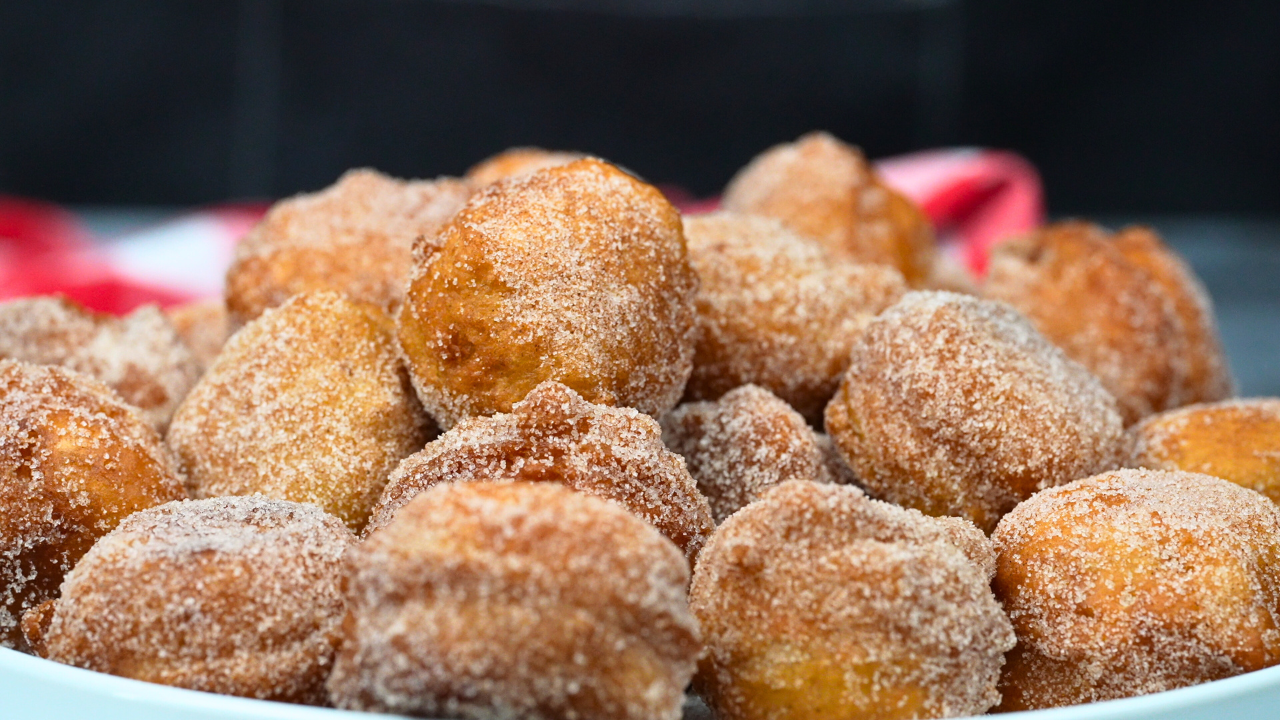
This Homemade Donut Holes is one of those recipes you'll find yourself making over and over again. It's simple, delicious, and always gets rave reviews. Whether you're a beginner or a seasoned cook, you're going to love how easy and tasty this turns out!

About This Recipe
Here's what most home cooks don't realize about donut holes: the oil temperature creates two simultaneous chemical reactions that determine success or failure. At 350-365°F, the Maillard reaction browns the exterior while steam from the dough's moisture creates that signature airy interior. But here's the kicker — donut holes cook from the outside in, unlike regular donuts that cook more evenly due to their center hole. This means your oil temperature is absolutely critical. Too hot, and you get a burnt shell with raw dough inside. Too cool, and the dough absorbs oil before the proteins can set, leaving you with greasy, dense spheres. The magic happens in that narrow window where the exterior proteins coagulate fast enough to trap the expanding steam bubbles. That's why I always test with one piece first — donut holes are less forgiving than their full-sized cousins because there's no escape route for moisture and heat.
Ingredients for Homemade Donut Holes
- Gradually add the wet ingredients to the dry ingredients — stirring until just combined. Be careful not to overmix; the batter should be slightly lumpy.
For the Donut Holes
- 2 cups all-purpose flour
- 2 tablespoons sugar
- 2 teaspoons baking powder
- ½ teaspoon salt
- ½ teaspoon ground cinnamon
- ⅔ cup milk
- 2 large eggs
- 2 tablespoons melted butter
- 1 teaspoon vanilla extract
- Vegetable oil — for frying
For the Coating
- ½ cup granulated sugar
- 1 teaspoon ground cinnamon
Substitutions & Variations
- All-purpose flour: Replace up to ½ cup with plantain flour for a subtle tropical sweetness and denser texture that's popular in Caribbean baking.
- Ground cinnamon: Substitute with freshly grated nutmeg or a pinch of ground cloves for a more authentic Dominican spice profile reminiscent of traditional buñuelos.
- Vanilla extract: Use coconut extract or rum extract instead for a distinctly Caribbean flavor that pairs beautifully with the fried dough.
- Milk: Replace with coconut milk for richer, more tropical-tasting donut holes with extra moisture and a hint of coconut flavor.
- Granulated sugar coating: Roll in a mixture of brown sugar, cinnamon, and a pinch of cardamom for a molasses-rich coating similar to Dominican dulce treatments.
- Frying method: Bake at 375°F for 12-15 minutes instead of frying for a lighter version that still maintains the tender crumb texture.
How to Make Homemade Donut Holes
- In a large mixing bowl, whisk together the flour, sugar, baking powder, salt, and ground cinnamon.
- In a separate bowl, whisk together the milk, eggs, melted butter, and vanilla extract until well combined.
- Gradually add the wet ingredients to the dry ingredients, stirring until just combined. Be careful not to overmix; the batter should be slightly lumpy.
- In a deep saucepan or deep fryer, heat about 2 inches of vegetable oil to 350°F (175°C). Use a thermometer to maintain the temperature for consistent frying.
- Using a small cookie scoop or a tablespoon, carefully drop spoonfuls of batter into the hot oil. Fry in batches to avoid overcrowding. Fry the donut holes for about 2-3 minutes, turning them occasionally until they are golden brown and cooked through. Use a slotted spoon to transfer the donut holes to a paper towel-lined plate.
- While the donut holes are still warm, toss them in a mixture of cinnamon and sugar until evenly coated.
- Serve warm and enjoy the delicious homemade donut holes.
What to Serve With Homemade Donut Holes
These warm, pillowy donut holes are absolutely perfect dunked in rich hot chocolate or café con leche. The combination reminds me of weekend mornings in my Dominican household, where we'd dip fresh bread into our coffee – it's comfort food at its finest.
For something truly special, serve these alongside my tres leches cake for an indulgent dessert spread. The light, airy texture of the donut holes provides a beautiful contrast to the dense, milk-soaked cake, giving your guests two completely different ways to end the meal.
Try pairing them with fresh tropical fruit like mango or pineapple chunks for a bright, acidic contrast that cuts through the sweetness. The natural tartness of the fruit cleanses your palate between bites, making each donut hole taste just as amazing as the first one.
Frequently Asked Questions
1. What is the best oil for frying donut holes?
Vegetable oil, canola oil, or peanut oil with their high smoke points and neutral flavors are ideal. Maintain 350-365°F for perfectly golden, non-greasy donut holes.
2. Why are my donut holes raw in the center?
The oil was too hot, cooking the outside before the inside was done. Lower the temperature to 350°F and fry longer. Donut holes should be about 1.5 inches for even cooking.
3. Can I bake donut holes instead of frying?
Yes, bake at 350°F in a mini muffin tin for 10-12 minutes. They will be lighter and more cake-like. Brush with melted butter immediately after baking for toppings to stick.
4. What toppings can I put on donut holes?
Cinnamon sugar, powdered sugar, chocolate glaze, maple glaze, or sprinkles are all classic. Roll warm donut holes in toppings immediately after frying for best adhesion.
5. How do I make the donut dough?
A basic yeast dough or a quicker cake-style batter both work. Yeast doughnuts are lighter and airier. Cake donut holes are denser, sweeter, and faster to make.
6. How do I get perfectly round donut holes?
Use a small cookie scoop or melon baller to portion the dough into uniform balls. The consistent size ensures they all cook at the same rate.
7. What is the correct oil temperature for donut holes?
350-365°F is the sweet spot. Use a deep-fry thermometer or candy thermometer to monitor. Temperature drops when you add dough, so fry in small batches of 4-6.
8. Can I make the dough ahead of time?
Yeast dough can rise overnight in the fridge for a slow fermentation that adds flavor. Shape and fry the next morning. Cake batter should be used immediately.
9. How many donut holes does a typical batch make?
A standard recipe yields about 24-30 donut holes depending on size. One batch is perfect for a family breakfast or small gathering.
10. How do I store leftover donut holes?
Store at room temperature in a paper bag (not plastic, which makes them soggy) for 1-2 days. Reheat briefly in a 300°F oven for 5 minutes to refresh them.
Homemade Donut Holes Video
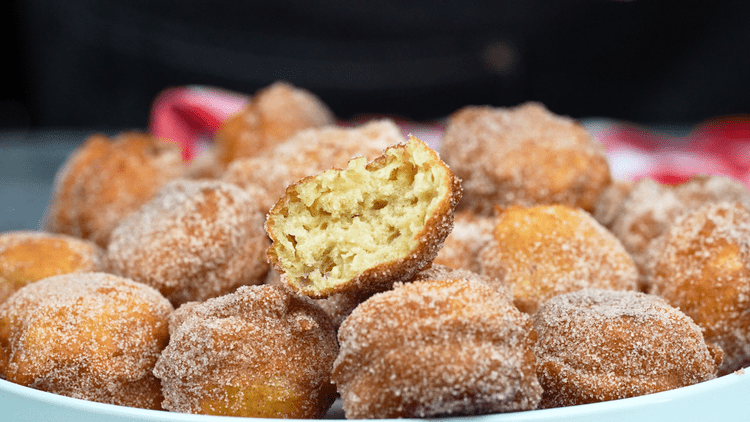
Homemade Donut Holes
Ingredients
Method
- In a large mixing bowl, whisk together the flour, sugar, baking powder, salt, and ground cinnamon.
- In a separate bowl, whisk together the milk, eggs, melted butter, and vanilla extract until well combined.
- Gradually add the wet ingredients to the dry ingredients, stirring until just combined. Be careful not to overmix; the batter should be slightly lumpy.
- In a deep saucepan or deep fryer, heat about 2 inches of vegetable oil to 350°F (175°C). Use a thermometer to maintain the temperature for consistent frying.
- Using a small cookie scoop or a tablespoon, carefully drop spoonfuls of batter into the hot oil. Fry in batches to avoid overcrowding. Fry the donut holes for about 2-3 minutes, turning them occasionally until they are golden brown and cooked through. Use a slotted spoon to transfer the donut holes to a paper towel-lined plate.
- While the donut holes are still warm, toss them in a mixture of cinnamon and sugar until evenly coated.
- Serve warm and enjoy the delicious homemade donut holes.
Nutrition
Notes
Use bread flour instead of all-purpose for chewier donut holes because the higher protein content (12-14%) creates stronger gluten networks that hold up better during the violent bubbling of deep frying without falling apart. After years of making these, I've learned to drop the dough balls seam-side down first because the raw dough seam acts like a weak point that can split open, causing oil splatter and uneven cooking. Buy neutral oil with a smoke point above 400°F like canola or vegetable oil because lower smoke point oils like olive oil will break down at proper frying temperature, creating off-flavors that overpower the delicate sweetness. Roll your dough portions between your palms quickly but don't overwork them because excessive handling develops too much gluten, making the donut holes tough instead of tender when they hit the hot oil. Storage & Meal Prep:
Store in an airtight container for up to 2 days. Freeze after frying and reheat in the oven.
Tried this recipe?
Let us know how it was!Filed Under

Leave a Reply