
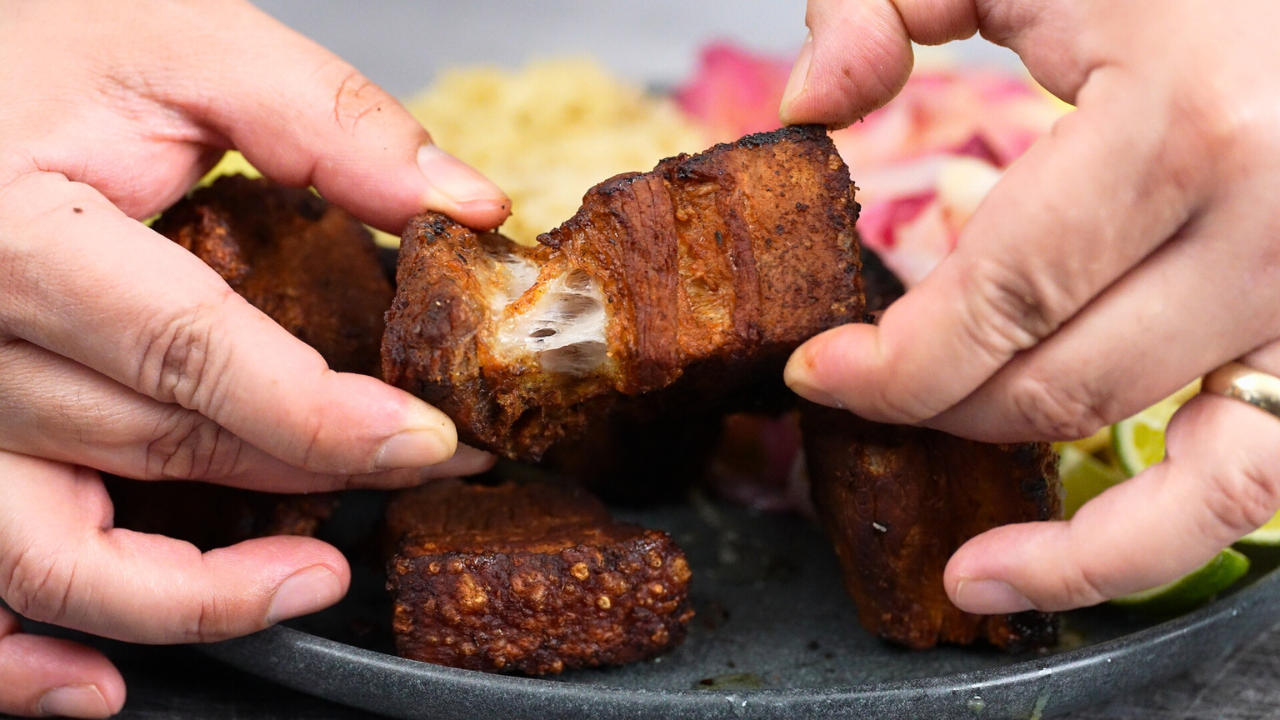
Dominican Chicharrón de Cerdo is crispy, golden fried pork belly that’s been a staple at family cookouts, colmados, and street-food stalls across the island for generations. The magic is in the two-step process: the pork belly is first boiled to render its fat and tenderize the meat, then fried in its own rendered fat until the skin puffs and crackles. A generous squeeze of sour orange or lime and a dusting of Dominican oregano give it that unmistakable island flavor. Once you master this recipe, it will become the centerpiece of every gathering you host.
Did You Know?
Storage & Meal Prep
What to Serve With
The crispy, salty richness of chicharrón needs something fresh to cut through all that beautiful fat. My Dominican cucumber salad with lime and red onion is perfect here – the acidity brightens every bite while the cool crunch provides textural contrast that makes each piece of pork even more satisfying.
Nothing beats the classic Dominican pairing of chicharrón with yuca hervida and curtido de cebolla. The mild, starchy yuca soaks up the rendered pork fat like a dream, while the pickled onions add that sharp, tangy bite our abuelas knew would balance the richness perfectly.
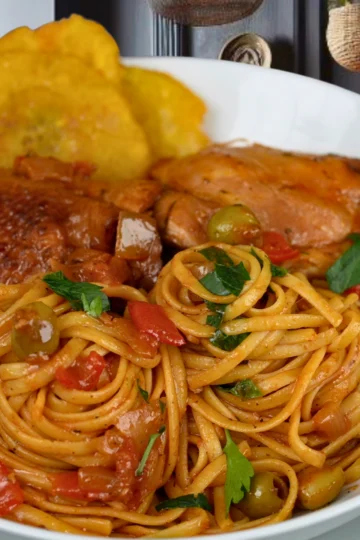
For something heartier, serve this alongside arroz con gandules and sweet plantains. The savory rice absorbs those incredible pork drippings, while the caramelized sweetness of the maduros creates that perfect sweet-salty balance that defines so much of our Dominican cooking.
Frequently Asked Questions
1. What is the difference between chicharron and pork cracklings?
Dominican chicharron uses thick cuts of pork belly that are twice-fried for a crispy exterior and tender interior. Cracklings are usually just the skin fried until brittle.
2. Why do you boil the pork before frying?
Boiling renders out excess fat and partially cooks the meat so the interior is tender. The second step — frying — crisps the outside to golden perfection.
3. What cut of pork is used for chicharron de cerdo?
Skin-on pork belly cut into 2-inch chunks is traditional. The skin crisps up during frying while the meat underneath stays juicy and flavorful.
4. How do I get chicharron extra crispy?
After boiling, let the pork dry completely (refrigerate uncovered for a few hours if possible). Dry surface equals crispier results when it hits the hot oil.
5. What oil temperature is best for frying chicharron?
350-375°F is ideal. The pork splatters when it hits the oil, so use a deep pot and be careful. A splatter screen is highly recommended.
6. What is the traditional seasoning for Dominican chicharron?
Sour orange juice (naranja agria), garlic, oregano, and salt are the classic marinade. Lime juice mixed with orange juice substitutes for sour orange.
7. What dipping sauce goes with chicharron?
Wasakaka (Dominican garlic sauce with parsley, olive oil, and vinegar) is the traditional accompaniment. Lime wedges and hot sauce are also popular.
8. Can I make chicharron in an air fryer?
Yes — boil first, then air fry at 400°F for 20-25 minutes, shaking the basket every 5 minutes. You get crispy results with much less oil.
9. How long does chicharron stay crispy?
Best eaten immediately. It stays crispy for about 2 hours at room temperature. Reheat leftovers in a 400°F oven for 10 minutes to re-crisp.
10. What should I serve with chicharron de cerdo?
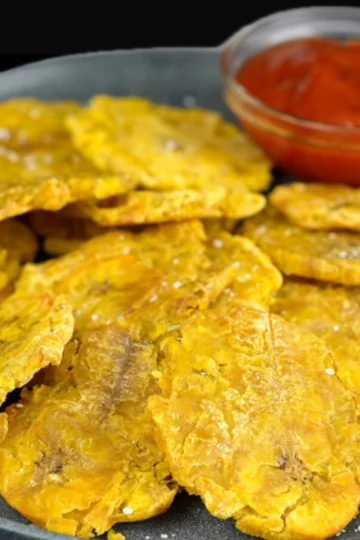
Tostones (fried plantains), yuca frita, avocado slices, and a simple salad are the classic Dominican accompaniments. White rice and beans complete the meal.
Leave a Reply