
If you've been anywhere near food TikTok lately, you've probably noticed a trend that refuses to die down: browned butter. With over 19 million views and counting, this simple French technique has become the secret weapon of home cooks and professional chefs alike. And here's the thing — it's not just a passing fad. Browned butter, or beurre noisette, has been a cornerstone of French cooking for centuries. What's changed is that people are finally discovering how transformative a few extra minutes of heat can make.
But here's what the trending videos won't tell you: browned butter has always had a home in Caribbean cooking. From the rich, nutty flavor it brings to sofrito-based dishes to the way it deepens the taste of fried plantains, this technique fits naturally into the bold, layered flavors that define Dominican and Caribbean cuisine. In this article, we're breaking down what browned butter actually is, how to make it perfectly every time, and five ways to use it in your Caribbean kitchen starting today.
The numbers speak for themselves. Browned butter recipes have generated over 19 million views on TikTok alone, with creators showing everything from browned butter pasta to browned butter cookies. Food media outlets from Bon Appétit to Serious Eats have published deep dives into the technique. Restaurants are listing it as a featured ingredient on menus. But while the trend feels new to many home cooks discovering it through short-form video, the technique is anything but — and its potential in Caribbean cuisine is largely untapped. That changes now.
What Is Browned Butter?
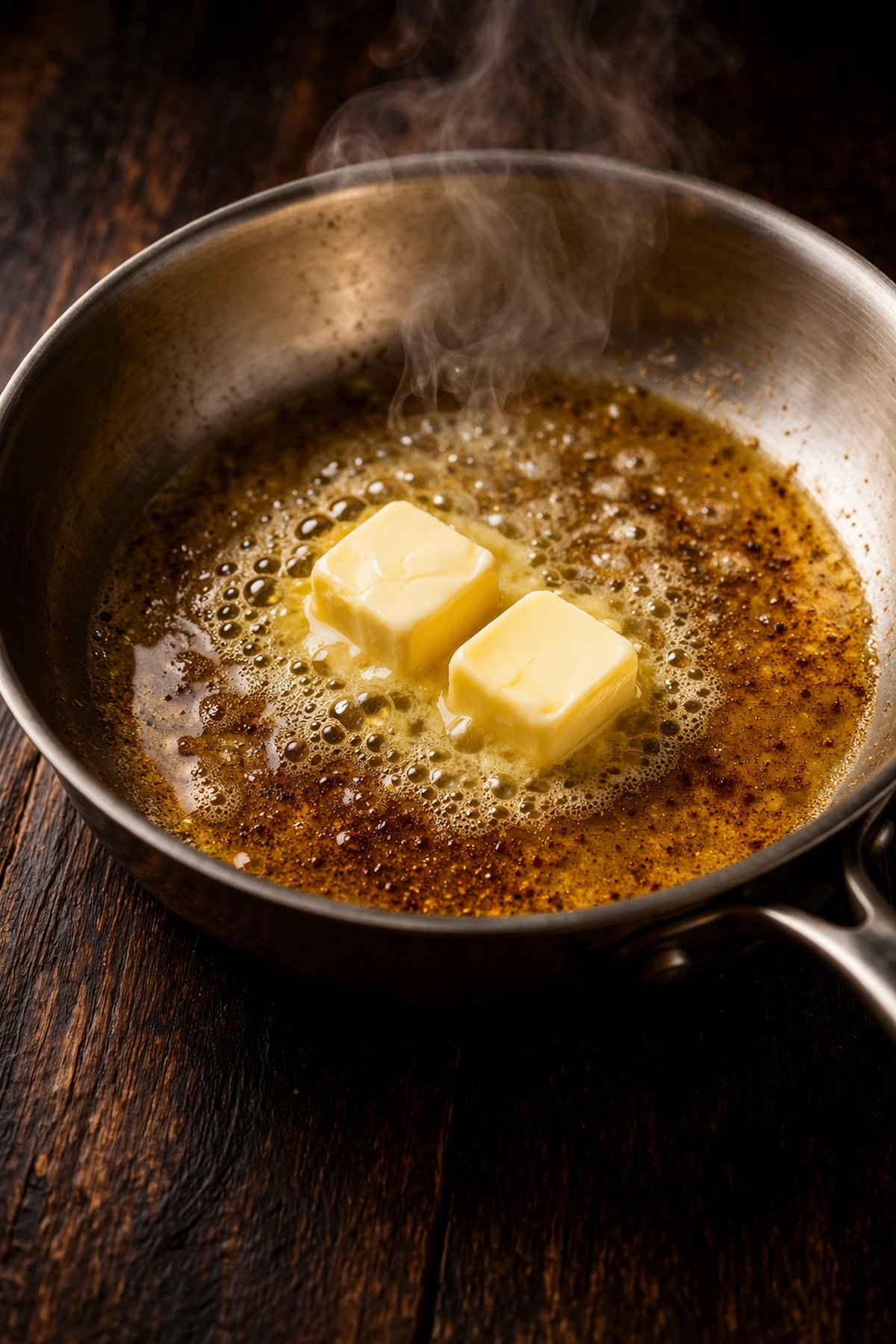
Browned butter is regular unsalted butter that has been heated past the melting point until the milk solids toast and turn golden-brown. The water in the butter evaporates, the milk proteins undergo the Maillard reaction, and what you're left with is a liquid that smells like toasted hazelnuts and tastes like butter dialed up to eleven. The French call it beurre noisette, which literally translates to "hazelnut butter" — not because it contains hazelnuts, but because of that unmistakable nutty aroma.
The transformation happens in stages. First, the butter melts and begins to foam as the water content boils off. Then the foam subsides and the milk solids start to separate and sink to the bottom of the pan. This is where the magic happens — those tiny white specks turn golden, then amber, releasing an incredible depth of flavor that plain melted butter simply cannot match. The entire process takes about five to seven minutes, but the difference in taste is night and day.
What makes browned butter so special is its versatility. It works in savory dishes like pasta, seafood, and roasted vegetables, but it's equally at home in baked goods, frostings, and sauces. The toasted milk solids add a complexity that elevates even the simplest recipes. Think of it as the difference between white bread and sourdough — same basic ingredients, completely different depth of flavor.
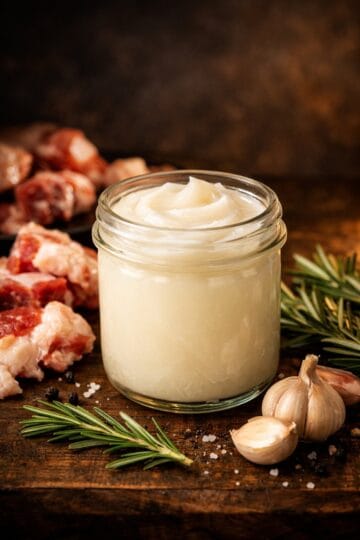
One of the best things about browned butter is that it keeps well. You can make a large batch, pour it into a glass jar, and store it in the refrigerator for up to two weeks. It solidifies when cold, turning into a spreadable, deeply flavored compound that you can slice off and use whenever you need it. Some cooks even freeze browned butter in ice cube trays for portioned use later. Having it ready to go in your fridge means you can add that nutty richness to any dish without the five-minute browning process every single time you cook.
How to Brown Butter Perfectly Every Time
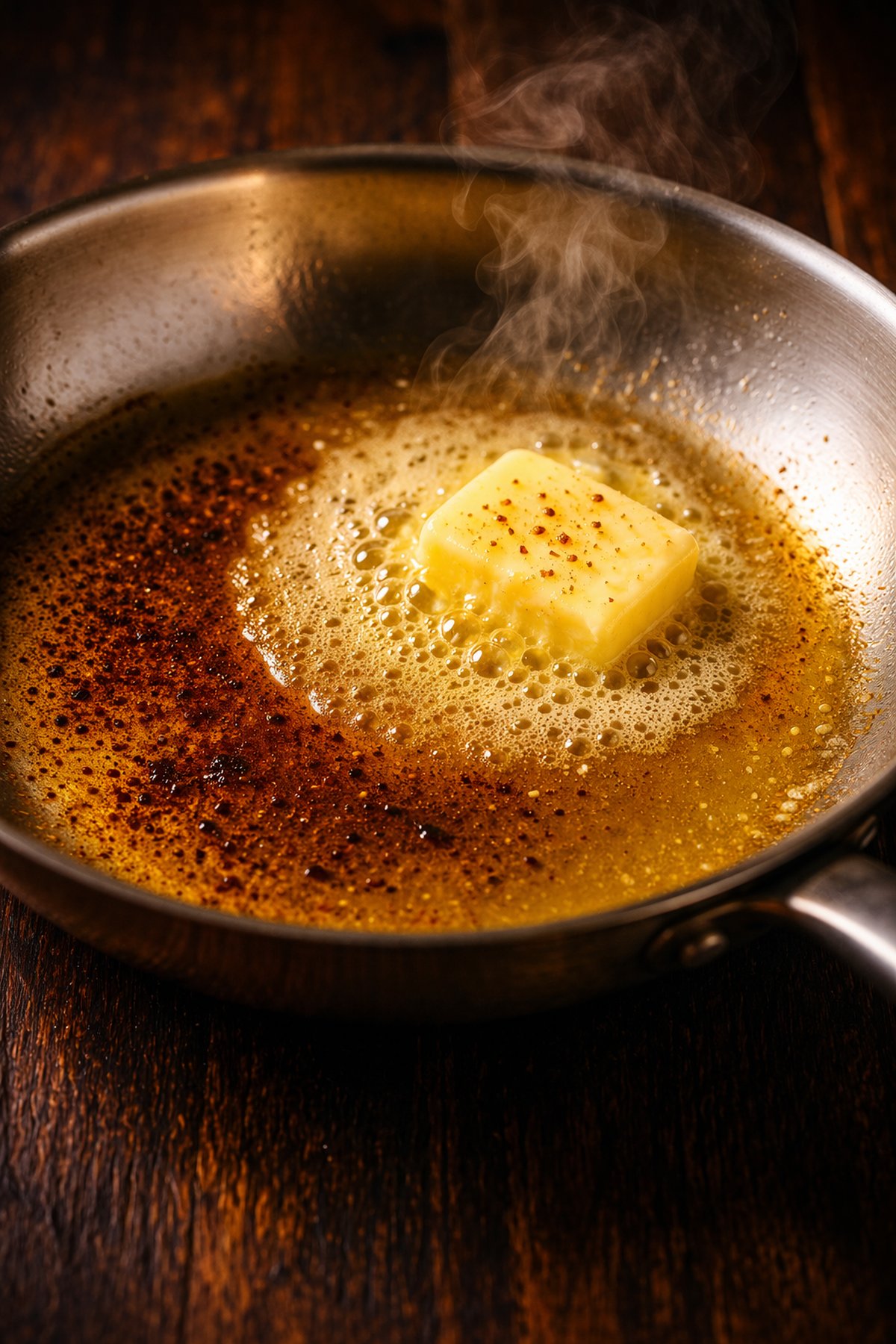
The technique itself is straightforward, but there are a few details that make the difference between perfectly nutty browned butter and a pan of burnt, bitter disappointment. Start with a light-colored pan — stainless steel or a light enamel work best because you need to see the color change happening. A dark nonstick pan hides the browning, and by the time you smell it, you may have already gone too far.
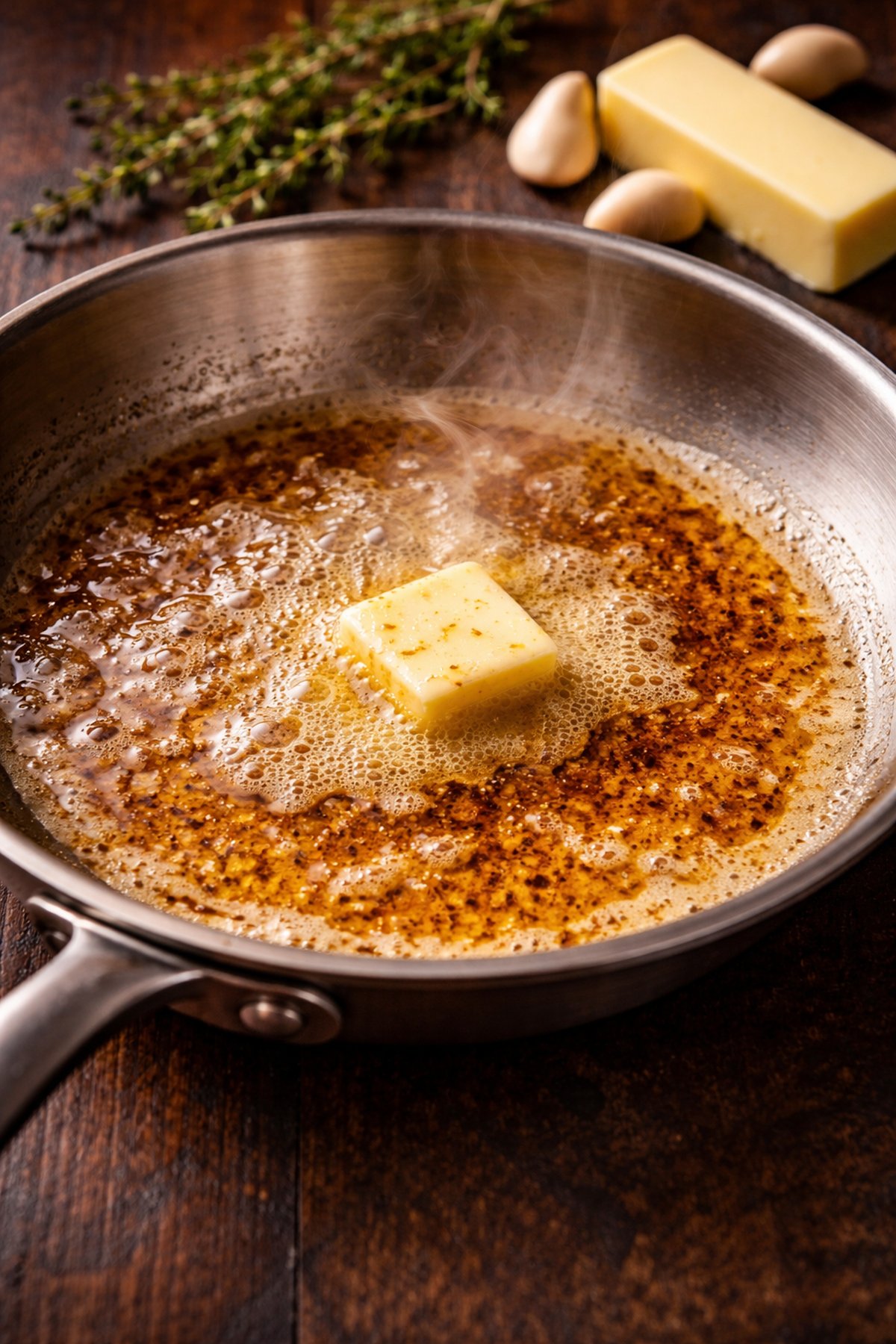
Cut your butter into even tablespoon-sized pieces so they melt uniformly. Place them in the cold pan before turning the heat to medium. This gradual approach gives you more control than dropping butter into a screaming hot skillet. As the butter melts, it will start to foam vigorously — this is the water content evaporating. Swirl the pan gently and keep your eye on the color of the milk solids settling at the bottom.
The critical window is about 30 seconds long. The butter will go from foamy and pale to golden-brown to black very quickly. As soon as you see amber-colored specks and smell that toasted hazelnut aroma, pull the pan off the heat immediately and transfer the butter to a heatproof bowl. The residual heat in the pan will continue cooking the solids even after you remove it from the burner, so acting quickly is essential. If you're making a large batch, adding a splash of cold cream or a few ice cubes will halt the cooking instantly.
One more tip that most recipes skip: don't throw away those browned milk solids at the bottom. Those are pure flavor gold. Scrape every last bit into your dish. That's where the nutty, caramelized taste lives, and discarding them defeats the entire purpose of browning the butter in the first place.
Why Browned Butter Belongs in Caribbean Cooking
Caribbean cuisine is built on layers of flavor — sofrito, adobo, sazón, citrus, garlic, and slow-cooked depth. Browned butter slots right into that tradition because it brings the same kind of complexity: warmth, nuttiness, and a richness that deepens everything it touches. It's not about replacing the flavors you already love. It's about amplifying them.
Think about how many Caribbean dishes already rely on butter or oil as a cooking fat. Tostones fried in browned butter instead of plain oil take on an entirely new dimension. Rice cooked with a spoonful of browned butter stirred in at the end develops a toasted, almost pilaf-like quality that pairs beautifully with stewed meats. Even a simple drizzle of browned butter over grilled corn on the cob with a squeeze of lime creates something memorable.
The technique also works brilliantly with the bold spice profiles common in Caribbean cooking. The Maillard compounds in browned butter complement the smoky heat of scotch bonnet peppers, the earthiness of cumin, and the brightness of fresh cilantro. It bridges the gap between rich and bright in a way that plain butter or oil simply cannot achieve.
If you grew up in a Caribbean household, you already know the power of toasted fats. Many Dominican cooks instinctively let their oil or butter get a little darker before adding garlic or onions — it is a technique passed down through generations without a fancy French name. The tradition of making concón relies on the same principle: controlled browning creates flavor. Browned butter is simply a more intentional version of something Caribbean cooks have been doing all along. The difference is that now there is a framework for understanding why it works and how to push it further.
5 Ways to Use Browned Butter in Your Caribbean Kitchen
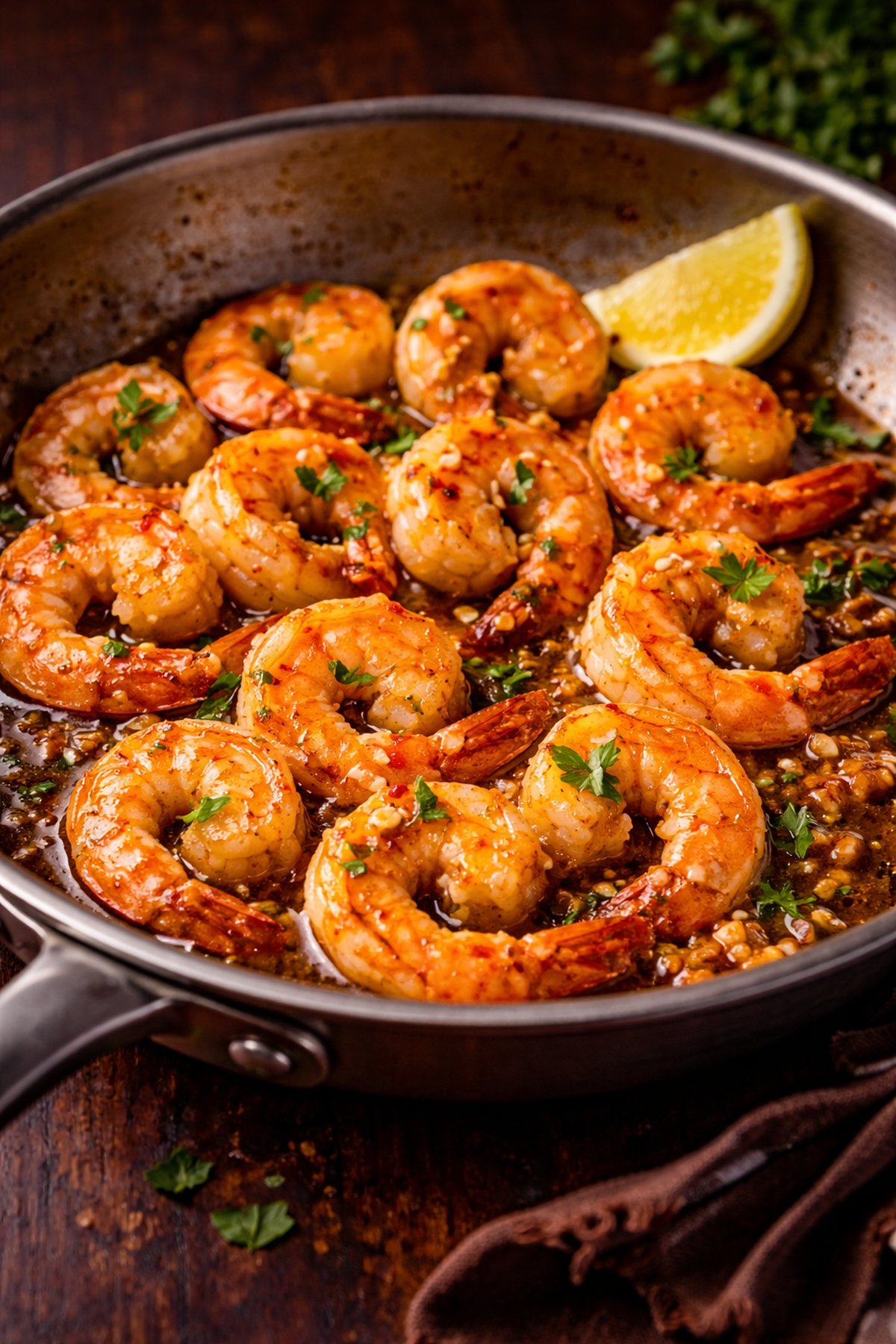
1. Browned Butter Shrimp
This might be the single best use of browned butter in Caribbean cooking. Start by browning your butter until those milk solids are deeply golden. Then toss in garlic, a pinch of sazón, and your cleaned shrimp. The browned butter creates a sauce that clings to each shrimp with a nutty richness you won't get from regular cooking oil. Finish with a generous squeeze of lime and a handful of fresh cilantro. Serve it over white rice or alongside tostones and you've got a weeknight dinner that tastes like a special occasion. If you want to take this further, try this garlic shrimp recipe as your base and simply substitute browned butter for the regular butter.
2. Browned Butter Tostones
Tostones are already perfect, but browned butter takes them somewhere entirely new. After your first fry and smash, do the second fry in a mix of oil and browned butter. The butter bastes the plantain as it crisps, leaving behind a thin layer of nutty, caramelized flavor on every surface. Sprinkle with flaky sea salt while they're still glistening and watch them disappear from the plate in seconds. The combination of the starchy, slightly sweet plantain with the toasted depth of browned butter is genuinely addictive.
3. Browned Butter Rice
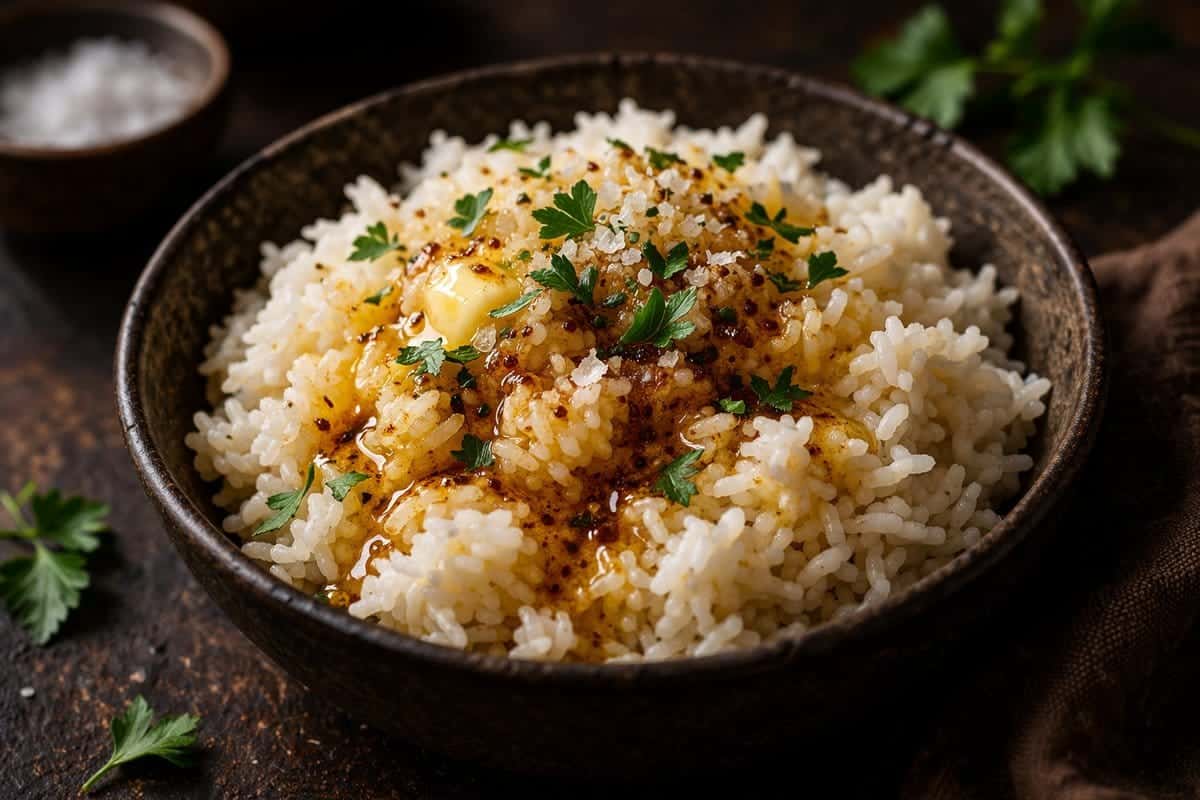
Dominican-style rice is already a masterpiece of technique — the concón at the bottom of the pot is proof of that. Adding browned butter to your rice takes it in a slightly different direction that works beautifully alongside braised meats and stews. Toast your rice in browned butter before adding the liquid, just as you would when making a pilaf. The grains take on a golden color and a subtle nuttiness that complements everything from pollo guisado to carne guisada. You can also try stirring a tablespoon of browned butter into this Dominican rice recipe right before serving for an easy upgrade.
4. Browned Butter Cake
Caribbean baking already leans into warm spices like cinnamon, nutmeg, and vanilla. Browned butter amplifies every single one of those flavors. Replace the melted butter in any cake recipe with browned butter that's been cooled to room temperature, and the result is a deeper, more complex crumb that tastes like it took twice the effort. It works particularly well in dense, moist cakes like banana bread and rum cake. Try it with this banana cake recipe — the browned butter paired with ripe bananas creates a flavor combination that is hard to stop eating.
5. Browned Butter Drizzle for Finished Dishes
Sometimes the simplest application is the most effective. Keep a small jar of browned butter in your fridge and use it as a finishing drizzle. Spoon it over grilled fish, drizzle it on roasted sweet potatoes, or swirl it into a bowl of sancocho right before serving. The warmth of the dish will melt the butter and release that nutty aroma, adding a final layer of richness that ties everything together. It's the kind of small touch that makes people ask what your secret ingredient is.
The Science Behind Why It Works
When butter heats past 250°F, the milk proteins and sugars undergo the Maillard reaction — the same chemical process that gives seared steak its crust, bread its golden top, and coffee its roasted depth. This reaction produces hundreds of new flavor compounds that don't exist in regular butter: pyrazines that taste nutty, furanones that taste caramelly, and diacetyl compounds that intensify the buttery flavor itself. In short, browned butter doesn't just taste different from regular butter — it's chemically a more complex ingredient.
This is also why browned butter pairs so well with the bold flavors in Caribbean cooking. Those Maillard compounds interact with the capsaicin in peppers, the allicin in garlic, and the terpenes in fresh herbs to create flavor combinations that are greater than the sum of their parts. It's not magic — it's food chemistry working exactly as it should.
A common question about browned butter is whether you can use salted butter instead of unsalted. The short answer is yes, but with a caveat — salted butter browns slightly faster because the salt lowers the smoke point of the milk solids, and the final product will be saltier, which means you should reduce or eliminate any additional salt in your recipe. Unsalted butter gives you the most control over both the browning process and the seasoning of your dish, which is why most chefs recommend it as the default. Another frequent question: can you brown butter substitutes like margarine or plant-based butter? Unfortunately, no. Those products don't contain the milk proteins needed for the Maillard reaction. You need real butter for the real thing.
Final Thoughts
Browned butter having a moment on TikTok is great for one reason: it's getting millions of people to try a technique that genuinely makes food taste better. But for those of us who cook Caribbean food, the real excitement is in how naturally this technique fits into what we're already doing. It doesn't require new equipment, exotic ingredients, or complicated steps. It just asks you to give your butter five more minutes in the pan — and the payoff is enormous.
Whether you're drizzling it over tostones, stirring it into rice, or using it to sauté shrimp with garlic and lime, browned butter is one of those techniques that, once you learn it, you'll wonder how you ever cooked without it. So the next time you reach for that stick of butter, don't just melt it. Brown it. Your food will thank you.
Leave a Reply