
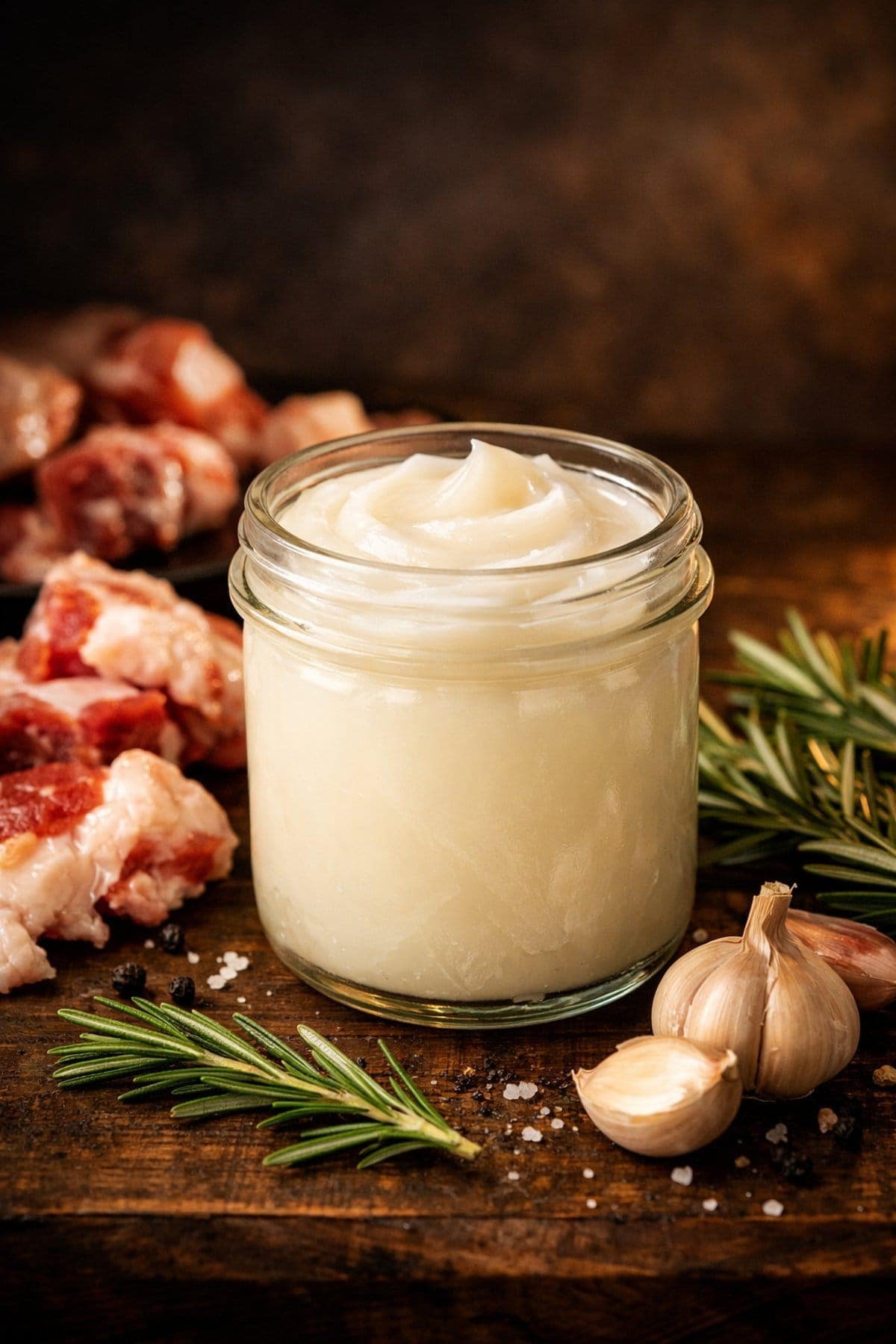
Something remarkable is happening in kitchens across America in 2026. A fat that was declared unhealthy, pushed aside in favor of vegetable oils, and nearly forgotten by a generation of home cooks is making one of the most dramatic comebacks in culinary history. Beef tallow — rendered beef fat — is back, and it's back with a vengeance.
Whole Foods named it the number one food trend of 2026 in their annual trend report. TikTok is flooded with videos of home cooks frying potatoes, searing steaks, and roasting vegetables in tallow and raving about the results. Restaurants are putting it back on their menus. And a new generation of health-conscious eaters is discovering what their great-grandparents already knew — that animal fats, used thoughtfully, produce food that tastes extraordinary.
For Caribbean and Dominican cooks, this trend feels less like a revelation and more like a vindication. We never really stopped cooking with rendered animal fat. Chicharrón, lechón, the rendered fat from pork — these are the building blocks of Dominican flavor. The tallow renaissance isn't a new idea. It's just the rest of the world finally catching up.
What Is Beef Tallow and Why Did It Disappear?
Beef tallow is rendered fat from beef — specifically the fat surrounding the kidneys and loins, known as suet. When you slowly melt and clarify this fat, you get a pure, clean cooking fat with a high smoke point, a rich beefy flavor, and an almost indefinite shelf life when stored properly.
For most of human history, tallow was a kitchen staple. Before vegetable oils became industrially cheap and widely available in the mid-twentieth century, people cooked with animal fats as a matter of course. McDonald's famously fried their French fries in beef tallow until 1990, and many food historians argue that nothing has tasted as good since.
The decline of tallow began in the 1960s and accelerated through the 1980s and 1990s as nutrition science — much of it later discredited or significantly revised — demonized saturated fat and promoted polyunsaturated vegetable oils as healthier alternatives. Tallow was pushed out of kitchens and replaced with canola oil, soybean oil, and hydrogenated vegetable shortening.
The irony, which the food world is now reckoning with, is that many of those replacement oils are highly processed, prone to oxidation at high heat, and contain inflammatory omega-6 fatty acids in quantities far beyond what human biology evolved to handle. Tallow, by contrast, is a single-ingredient whole food with a stable fat composition and a rich nutritional profile including fat-soluble vitamins A, D, E, and K.
The Nutritional Profile of Beef Tallow
One of the most compelling aspects of the tallow revival is the growing body of nutritional research that supports its use. Beef tallow is approximately fifty percent monounsaturated fat — the same type of fat that is celebrated in olive oil. It contains roughly forty-five percent saturated fat, which provides structural stability at high temperatures and resists oxidation far better than polyunsaturated seed oils. The remaining five percent is polyunsaturated fat, a relatively low proportion that makes tallow remarkably stable for cooking.
Tallow is also a meaningful source of conjugated linoleic acid, or CLA, a naturally occurring fatty acid found in beef and dairy that has been studied for its potential anti-inflammatory and body-composition benefits. Grass-fed beef tallow in particular tends to have higher concentrations of CLA and a more favorable omega-3 to omega-6 ratio than tallow from conventionally raised cattle.
Beyond the fatty acid profile, tallow contains fat-soluble vitamins that are increasingly difficult to obtain from modern processed diets. Vitamins A, D, E, and K2 are all present in meaningful amounts, particularly in tallow sourced from pasture-raised animals. These vitamins play essential roles in immune function, bone health, cardiovascular protection, and skin integrity — and they require dietary fat for proper absorption, making tallow a uniquely efficient delivery vehicle for these critical nutrients.
Why Tallow Is Trending So Hard in 2026
Several forces are driving the tallow comeback simultaneously.
The anti-ultra-processed food movement is accelerating. As consumers increasingly scrutinize ingredient labels and reject seed oils in favor of whole, minimally processed fats, tallow becomes an obvious and appealing alternative. It has exactly one ingredient. You know exactly what it is. There is no hexane extraction, no chemical deodorizing, no bleaching. It is simply beef fat, rendered and clarified.
The ancestral eating and carnivore diet communities have been championing tallow for years, and their influence has now crossed into mainstream food culture. Coupled with the rehabilitation of saturated fat in peer-reviewed nutrition research, tallow's reputation has shifted dramatically. Major publications that once dismissed animal fats are now publishing features on the tallow renaissance, and grocery stores are stocking rendered tallow alongside coconut oil and ghee in the cooking fat aisle.
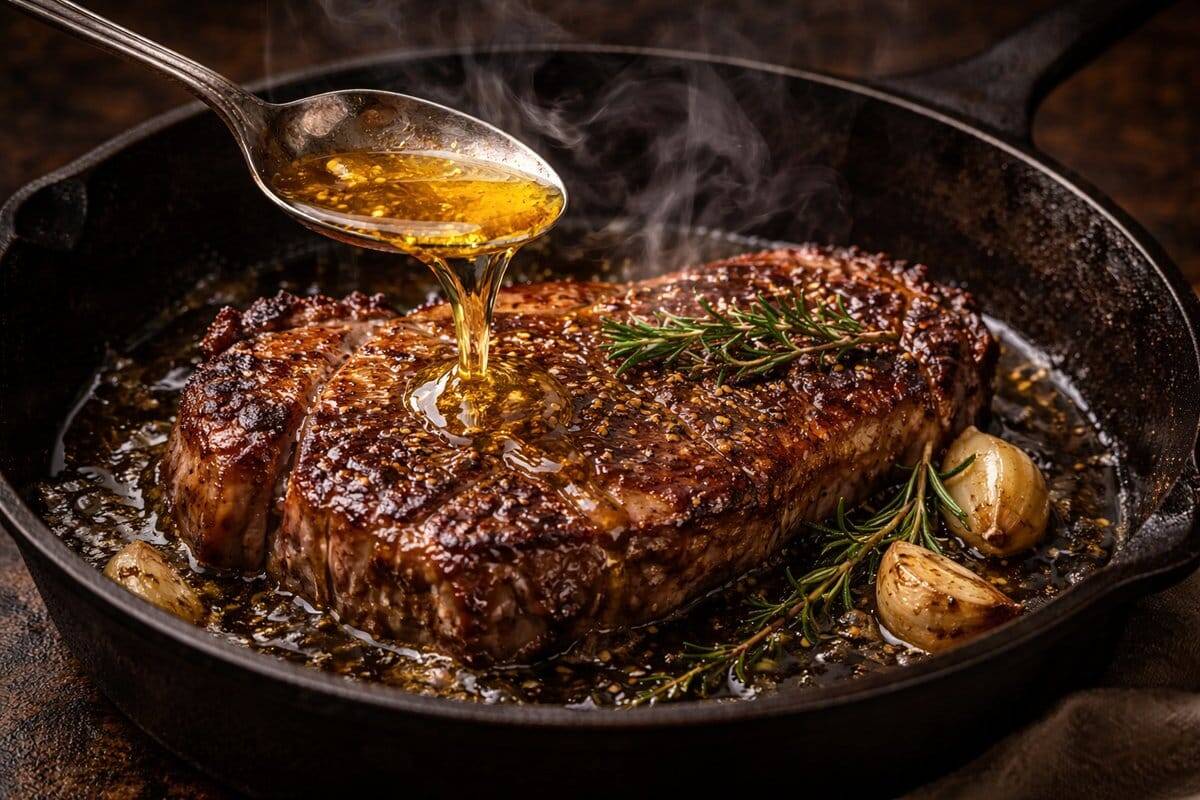
Then there's the flavor argument — and this is where tallow wins decisively. Beef tallow has an extraordinarily high smoke point of approximately four hundred twenty degrees Fahrenheit, making it ideal for high-heat cooking. And unlike neutral vegetable oils, tallow actually tastes like something. It adds a subtle, rich, beefy depth to whatever you cook in it that no vegetable oil can replicate.
Social media has played a massive role as well. The seed oil discourse on platforms like TikTok, Instagram, and Twitter has created millions of consumers who are actively seeking out traditional cooking fats. Influencers in the wellness and fitness communities regularly post content about rendering their own tallow, and the visual appeal of golden, perfectly rendered fat in a glass jar has proven irresistibly shareable. The hashtag beef tallow has accumulated billions of views across platforms.
How to Render Your Own Beef Tallow at Home
Rendering tallow at home is simple, deeply satisfying, and gives you a cooking fat of remarkable quality. Here's exactly how to do it.
What You Need
Two to three pounds of beef suet or beef fat trimmings from your butcher, a large heavy-bottomed pot, a fine mesh strainer or cheesecloth, and glass jars for storage. If you can source grass-fed suet, the resulting tallow will have a cleaner flavor and a more favorable nutritional profile, but any quality beef fat will produce excellent results.
Step by Step
Step 1: Ask your butcher for beef suet or fat trimmings — they're usually inexpensive or even free. Cut the fat into small pieces or pulse it briefly in a food processor to increase surface area. Smaller pieces render more evenly and more completely, which gives you a higher yield of clean, pure tallow.
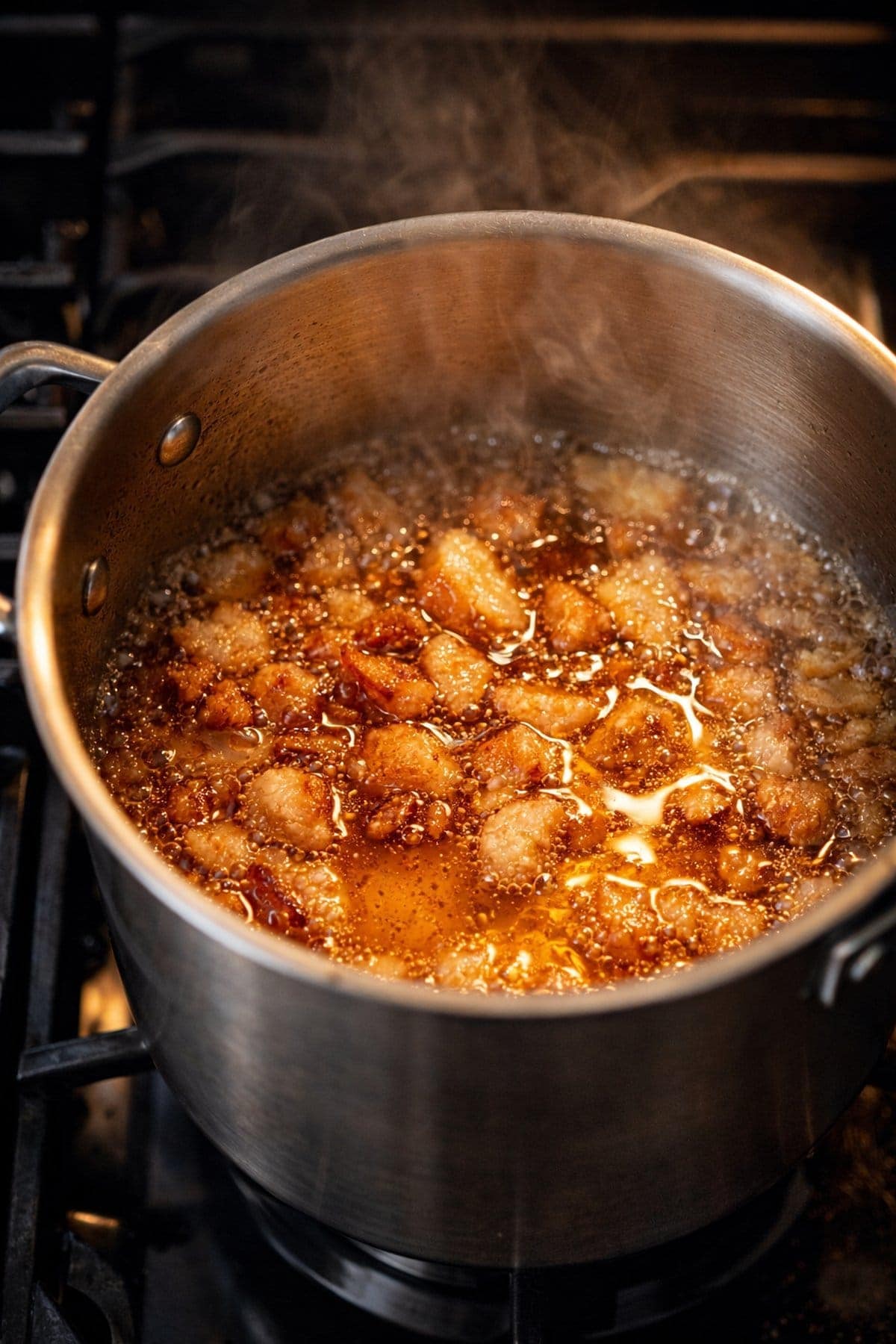
Step 2: Place the fat in a heavy pot over low heat. You want a slow, gentle render — not a fry. Low and slow is the key. Some people add a quarter cup of water to the pot at the beginning to prevent the fat from scorching before it starts to melt. The water will evaporate completely during the rendering process.
Step 3: Cook over low heat for two to three hours, stirring occasionally. The fat will gradually melt and the solid pieces — called cracklings — will shrink and turn golden. You will notice the liquid becoming increasingly clear and golden as the rendering progresses. The kitchen will fill with a rich, warm, beefy aroma that is one of the great pleasures of traditional cooking.
Step 4: When the fat is fully melted and the cracklings are golden and crispy, remove from heat. Strain through cheesecloth or a fine mesh strainer into glass jars. For the cleanest tallow, strain twice — once through a mesh strainer to catch the large cracklings, and once through cheesecloth to catch any remaining sediment.
Step 5: Let cool to room temperature, then refrigerate or store at room temperature in a sealed jar. Properly rendered tallow keeps for months at room temperature and up to a year refrigerated. When fully cooled, it will solidify into a creamy white or slightly off-white solid that scoops easily from the jar.
The cracklings that remain after rendering are essentially beef chicharrón — crispy, salty, deeply savory, and absolutely delicious. Season them with salt and a squeeze of lime while they are still warm, and you have one of the great snacks that home rendering produces as a bonus.
How to Use Beef Tallow in Caribbean and Dominican Cooking
This is where the tallow trend connects directly to the Dominican kitchen in ways that feel completely natural. Caribbean cooking has always valued fat as a flavor carrier and a textural tool, and beef tallow slots into that tradition with remarkable ease.
1. Tallow-Fried Tostones
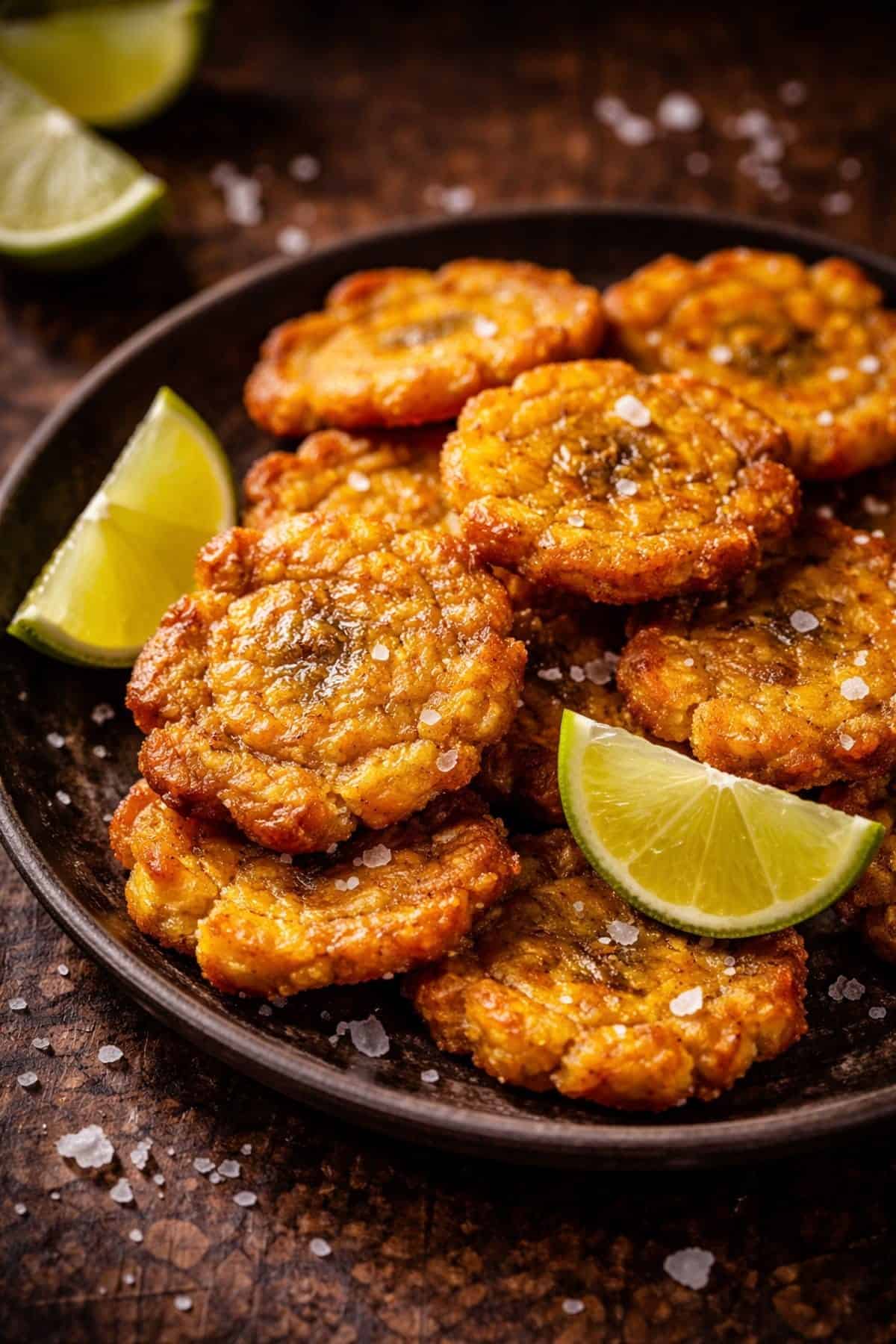
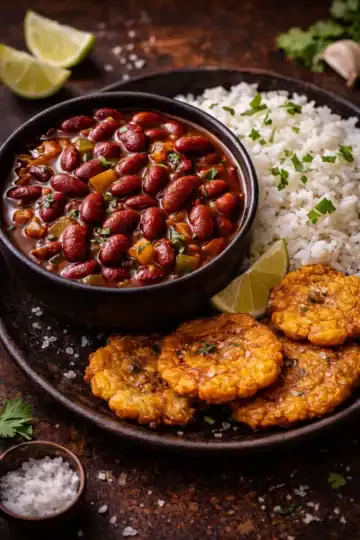
Replace the vegetable oil in your tostones recipe with beef tallow and prepare for a revelation. The high smoke point keeps the oil clean and hot, the tallow adds a subtle richness that complements the starchy plantain perfectly, and the exterior becomes crispier than anything vegetable oil can produce. The first fry softens the plantain and allows the tallow to penetrate the surface, while the second fry after smashing creates an impossibly crispy shell with a creamy interior. Try it tonight with this tostones recipe and taste the difference for yourself.
2. Tallow-Seared Chicharrón
Dominican chicharrón is already a celebration of rendered pork fat — but starting the cook with a spoonful of beef tallow in the pan creates an even more complex, deeply flavored crust on the pork. The two animal fats play beautifully together, each contributing a different dimension of richness that makes the final product greater than the sum of its parts. Get the full technique in this Dominican chicharrón recipe.
3. Tallow Sofrito Base
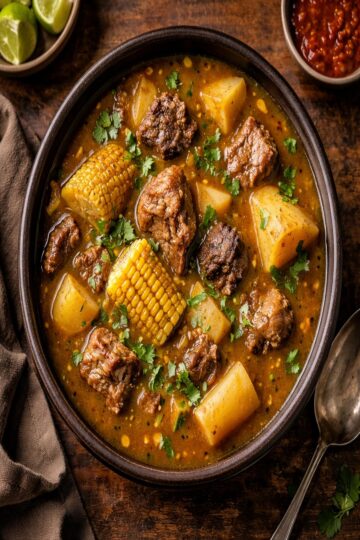
Substitute beef tallow for the oil in your sofrito sauté. The fat carries the aromatics — onion, garlic, pepper, cilantro — differently than vegetable oil does, creating a richer, more complex foundation for stews and braises. This works especially well in sancocho and habichuelas guisadas. The tallow acts as a flavor amplifier for the aromatic base, allowing each ingredient to bloom more fully than it would in a neutral oil. Try this technique with this Puerto Rican beef stew recipe and notice how the tallow-based sofrito transforms the entire dish.
4. Tallow-Roasted Root Vegetables
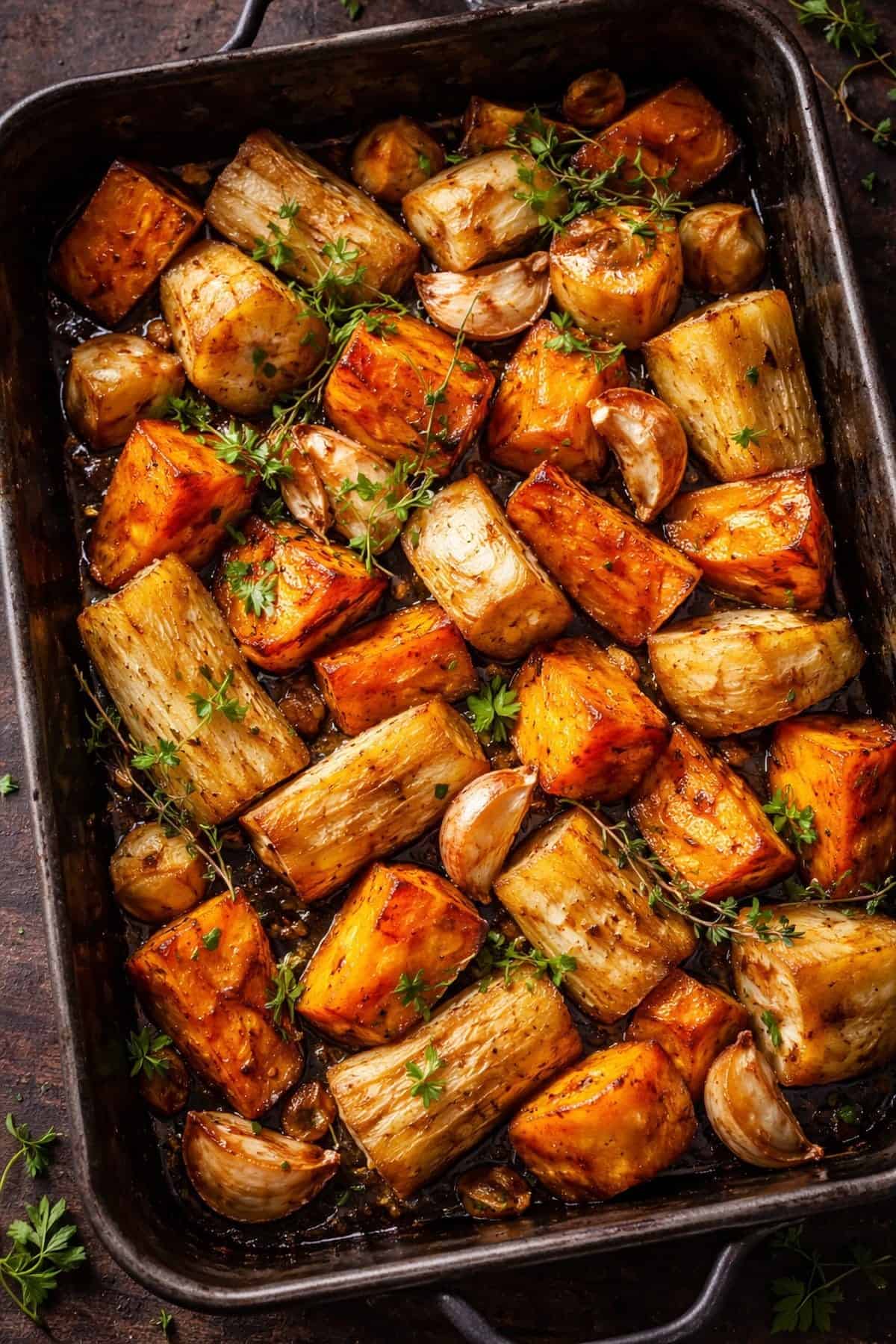
Yuca, auyama, ñame, and batata all roast magnificently in beef tallow. Toss your cut root vegetables in melted tallow with salt, garlic, and a pinch of cumin, then roast at four hundred twenty-five degrees until caramelized and tender. The results are exceptional. The tallow creates a deeply browned, almost caramelized crust on the vegetables while keeping the interior creamy and soft. Root vegetables have enough natural starch and sugar to interact beautifully with the Maillard reaction that tallow promotes, producing results that are impossible to achieve with vegetable oil alone.
5. Tallow Fries — Caribbean Style
Fry yuca sticks or sweet plantain chips in beef tallow instead of vegetable oil. Season with chili-lime salt immediately after frying. This is tallow cooking at its most fun — nostalgic, indulgent, and deeply flavorful. The tallow maintains a stable temperature throughout the frying process, which means more consistent results and less oil breakdown between batches. Your fries come out golden, crispy, and with a depth of flavor that will have everyone asking what your secret is.
The Flavor Case for Tallow in 2026
Beyond the health arguments and the trend cycles, the most compelling case for beef tallow is simply this: food cooked in tallow tastes better. The fat carries flavor in a way that neutral vegetable oils fundamentally cannot. It creates superior browning through the Maillard reaction. It produces crispier exteriors on fried foods. And it adds a subtle background note of richness that elevates everything it touches.
The science behind this flavor advantage is straightforward. Saturated and monounsaturated fats are more stable at high temperatures than polyunsaturated fats. When you heat a polyunsaturated oil like canola or soybean oil to frying temperatures, it begins to oxidize and break down, producing off flavors and potentially harmful compounds. Tallow, with its high proportion of stable fats, maintains its integrity at high heat and produces clean, consistent flavor every time you cook with it.
Caribbean cooking has always been about maximizing flavor through technique and ingredients that work. Tallow fits that philosophy perfectly. It's a whole food, it's affordable, it's available, and it makes your cooking taste the way cooking is supposed to taste. When you bite into a tostone fried in tallow, or pull apart a piece of chicharrón seared in it, or taste a stew whose sofrito was built on it, you understand immediately why your grandparents cooked this way. The flavor speaks for itself.
Where to Buy Beef Tallow and What to Look For
If rendering your own tallow at home feels like too much of a project for a weeknight, the good news is that pre-rendered beef tallow is now widely available. Health food stores, butcher shops, and online retailers all carry it, and the quality has improved dramatically as demand has surged. When shopping for pre-rendered tallow, look for products that list beef fat or beef suet as the only ingredient. Avoid any product that includes preservatives, added flavors, or partially hydrogenated oils.
Grass-fed tallow is worth the premium if you can find it. It tends to have a cleaner, milder flavor, a whiter color when solidified, and a superior nutritional profile compared to conventional tallow. Many small farms and butcher shops now sell grass-fed tallow directly, and it has become a staple at farmers markets in health-conscious communities across the country. A single jar will last for weeks of regular cooking, making it one of the most cost-effective upgrades you can make to your kitchen.
Final Thoughts
Beef tallow's comeback in 2026 is not a fad. It's a correction — a return to a cooking fat that was unfairly maligned and whose replacement with industrial seed oils was never as healthy or as delicious as we were told. Whether you render your own at home or buy it pre-rendered, adding tallow to your Caribbean kitchen is one of the best cooking upgrades you can make this year.
The Dominican cooking tradition has always understood what the rest of the food world is just now rediscovering — that animal fats, used thoughtfully and with respect for tradition, produce food of extraordinary quality. Beef tallow is simply the latest chapter in that ancient understanding, and it's one that every home cook should explore.
Try it on your next batch of tostones and taste the difference. Share your results in the comments, and subscribe to Kelvin's Kitchen on YouTube for more flavor-first cooking every week.
You May Also Like
- Creamy and Velvety Textures Are In — Dominican Comfort Food Does It Best
- Guava Everything — From Savory to Sweet, Here's What You Need to Know
- Fibermaxxing — The Gut Health Trend Taking Over TikTok and What Caribbean Food Gets Right
Leave a Reply