
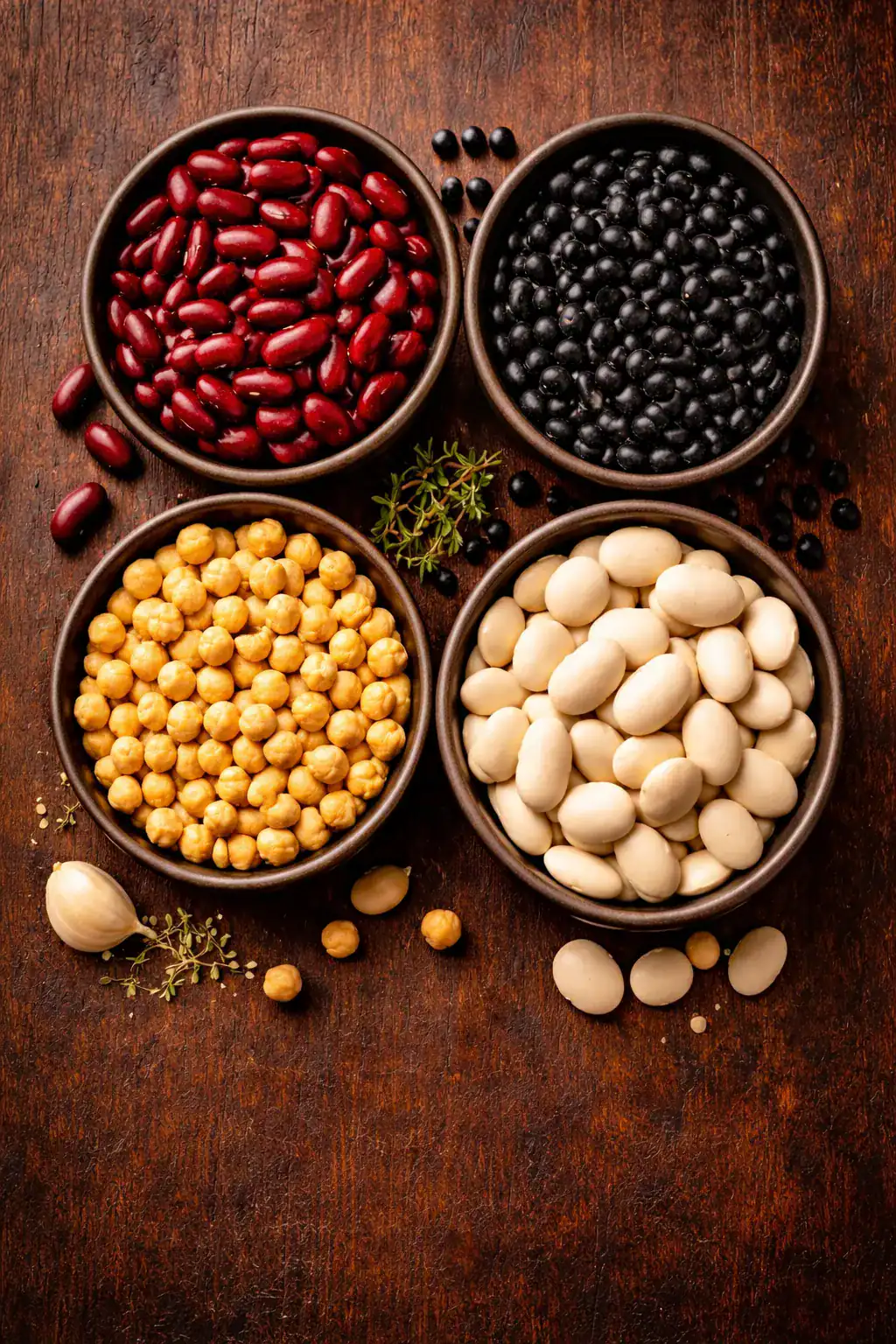
If you grew up in a Dominican or Caribbean household, beans weren't a side dish — they were the foundation of every meal. A steaming pot of habichuelas guisadas simmering on the stove, ladled over white rice with a side of aguacate, was dinner at least three nights a week. And now, in 2026, the rest of the world is finally catching on to what Caribbean cooks have always known: beans and legumes are some of the most versatile, nutritious, and downright delicious ingredients on the planet.
From TikTok creators showcasing their abuelas' recipes to high-end restaurants putting Caribbean bean dishes on tasting menus, the bean renaissance is real. This isn't just a health trend driven by plant-based eating — though that's certainly part of it. It's a genuine cultural moment where traditional Dominican and Caribbean bean recipes are getting the spotlight they've always deserved.
Why Beans Are Trending in 2026
The numbers tell the story. According to the Global Pulse Confederation, worldwide bean consumption has increased by 23% over the past three years. Grocery chains are reporting record sales of dried and canned beans, and "bean recipes" is one of the fastest-rising food search terms across every major platform. But for anyone who grew up eating habichuelas con dulce during Lent or spooning creamy pink beans over arroz blanco, this surge feels less like a trend and more like vindication.
Several forces are driving this moment. The plant-based movement has people looking for affordable, accessible protein sources that don't require a specialty grocery run. Climate-conscious eaters are drawn to legumes because they're among the most sustainable crops on earth — they actually fix nitrogen in the soil, making it healthier for future planting. And food media, from cooking shows to viral recipe videos, has shifted its lens toward the cuisines that have always celebrated beans as the star of the plate rather than an afterthought.
What makes this moment different from past "superfoods" crazes is authenticity. People aren't just adding chickpeas to smoothie bowls and calling it revolutionary. They're seeking out the real recipes — the ones that have been perfected over centuries in Dominican, Puerto Rican, Cuban, Jamaican, and Trinidadian kitchens. They want the sofrito base, the sazón, the slow simmer that turns a simple legume into something transcendent.
The Dominican Bean Tradition
In Dominican cooking, beans aren't just food — they're identity. The classic la bandera dominicana (the Dominican flag meal) consists of three essential components: white rice, stewed beans, and meat. It's eaten daily across the island and in Dominican households worldwide, and the bean preparation is what elevates this simple combination into something extraordinary. The key is the sofrito — a fragrant base of sautéed onions, garlic, peppers, cilantro, and tomato paste that gives Dominican beans their unmistakable depth.
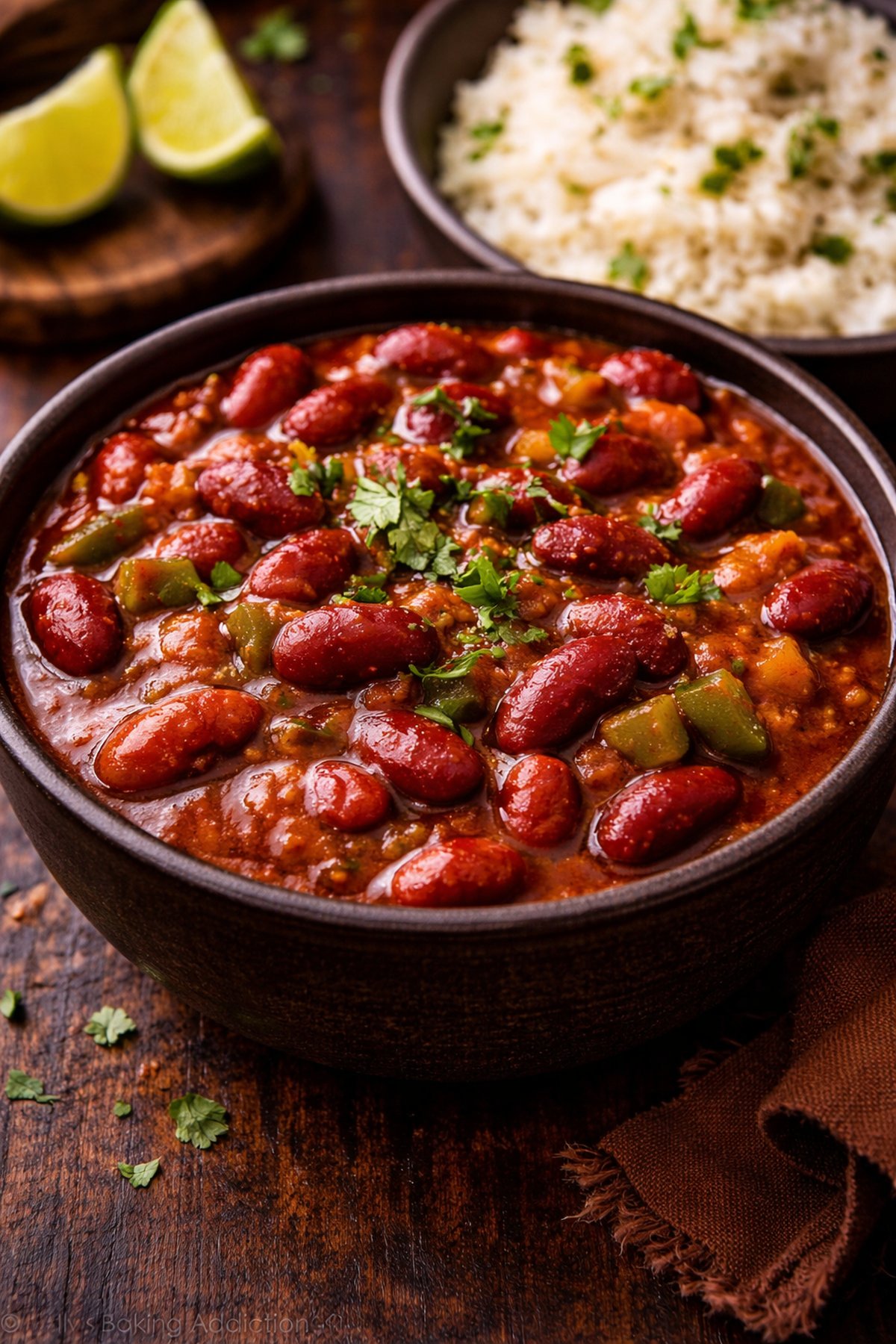
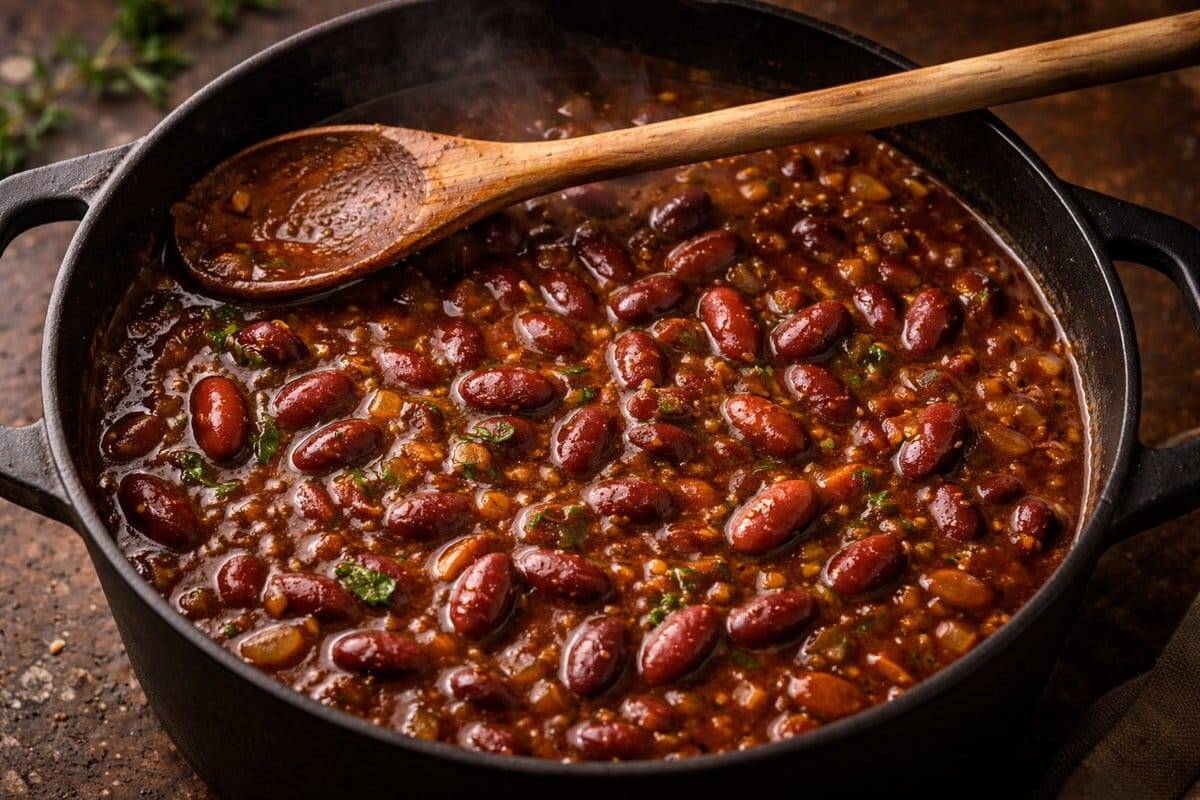
Habichuelas guisadas, or stewed beans, come in countless variations depending on the region and the family recipe. Some cooks prefer red kidney beans with a thick, almost gravy-like sauce. Others swear by pink beans, which break down slightly during cooking to create a naturally creamy texture. My mother always added a dash of vinegar at the very end — a trick she learned from her own mother — which brightens all the flavors and ties the whole dish together. If you love comforting bean dishes, you'll enjoy our classic black beans and rice recipe, which captures that same home-cooked Dominican spirit.
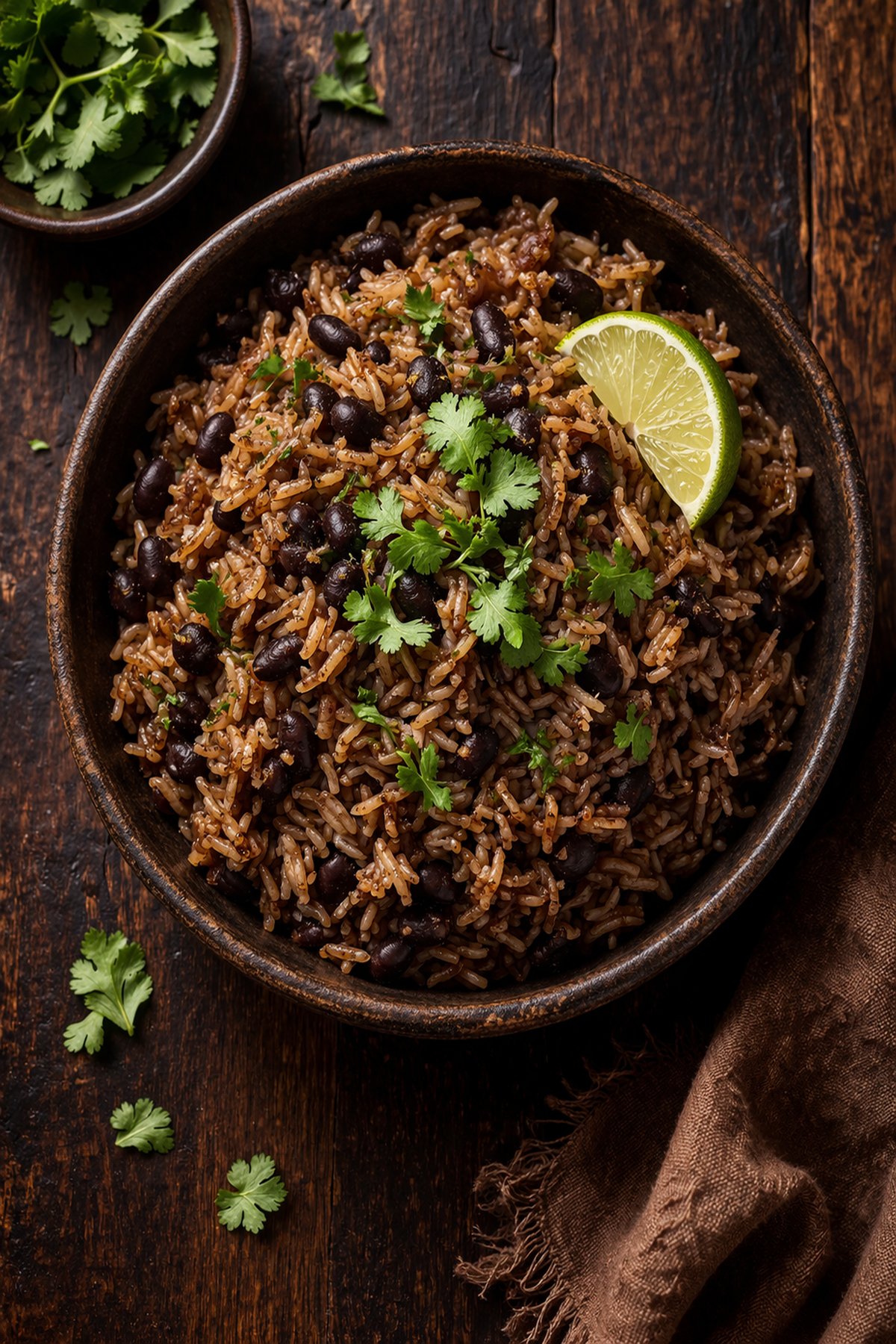
Then there's moro de habichuelas — rice and beans cooked together in the same pot, where every grain absorbs the seasoned bean broth. Unlike rice and beans served separately, moro is a one-pot dish where the flavors meld completely. The rice takes on a gorgeous color from the bean liquid, and the texture sits somewhere between fluffy and creamy. Moro de guandules (pigeon peas) is the quintessential Dominican Christmas dish, but moro can be made with any bean variety — red beans, black beans, or even lentils for a weeknight shortcut.
The Art of the Sofrito
No discussion of Dominican beans is complete without talking about sofrito. This aromatic base varies from household to household, but the core ingredients remain consistent: recao (culantro), cilantro, garlic, onion, and sweet peppers blended into a vibrant green paste. A few tablespoons of sofrito stirred into a pot of beans transforms them entirely. Many Dominican cooks prepare large batches and freeze them in ice cube trays, ensuring that incredible depth of flavor is always just a freezer trip away. The sofrito tradition connects Dominican cooking to a broader Latin American and Caribbean flavor foundation that has been feeding families for generations.
Trending Bean Varieties You Need to Know
While red kidney beans and black beans have long been the most familiar varieties in American pantries, 2026 is shaping up to be the year of the heirloom and specialty bean. Caribbean and Latin markets have always stocked a wider variety, and now mainstream grocers are catching up. Here are the bean varieties driving the conversation this year.
Guandules (Pigeon Peas) — These small, earthy legumes are essential in Dominican and Puerto Rican cooking. They have a nutty, slightly sweet flavor and hold their shape beautifully in stews and rice dishes. Canned guandules are convenient, but dried ones — soaked overnight and slow-simmered — develop a deeper, more complex flavor that's absolutely worth the extra effort.
Habichuelas Rojas (Red Beans) — The workhorse of Dominican cuisine. These medium-sized red beans are the classic choice for habichuelas guisadas. They absorb seasonings like a sponge while maintaining a firm, satisfying bite. They're also the go-to for making moro rojo, a deeply flavored red rice and beans dish that pairs beautifully with a hearty Dominican-style stew.
Black-Eyed Peas — While more commonly associated with Southern U.S. cooking, black-eyed peas have deep roots in Caribbean cuisine as well, particularly in Jamaican and Trinidadian dishes. They cook quickly, have a mild flavor that pairs well with bold spices, and their creamy texture makes them ideal for fritters and soups.
Lentils (Lentejas) — Dominican lentil soup is a comfort food staple, especially during cooler months. Unlike many bean varieties, lentils require no soaking and cook in under 30 minutes, making them the ultimate weeknight legume. The Dominican version typically includes potatoes, carrots, and chunks of calabaza, creating a thick, stew-like soup that's a complete meal in one bowl.
Caribbean Bean Recipes Worth Making This Week
The beauty of Caribbean bean cooking is that most recipes are approachable, affordable, and deeply satisfying. You don't need specialty equipment or hard-to-find ingredients — just good beans, bold seasonings, and a little patience. Whether you're a seasoned cook or someone just discovering the magic of legumes, these are the dishes that deserve a place in your regular rotation.
Habichuelas Guisadas (Dominican Stewed Beans) — Start with a sofrito base, add tomato sauce, sazón, and your choice of beans (red, pink, or pinto all work beautifully). Simmer until the sauce thickens into a rich, velvety gravy. Serve over white rice with a drizzle of olive oil and a slice of avocado. This is the dish that defines Dominican comfort food, and once you've made it from scratch, the canned version will never satisfy you again.
Jamaican Rice and Peas — Despite the name, this iconic dish uses red kidney beans (not green peas). The beans are simmered in coconut milk with thyme, scallions, Scotch bonnet pepper, and allspice before the rice is added to cook in the fragrant liquid. The result is rich, aromatic, and subtly spicy — the perfect companion to jerk chicken or oxtail.
Cuban Black Beans (Frijoles Negros) — Cuban-style black beans are slow-simmered with green peppers, onions, garlic, cumin, and a splash of vinegar until they're thick and intensely flavorful. They're traditionally served alongside white rice, sweet plantains, and a protein — a combination known as the "Cuban plate" that demonstrates how three simple components can create a perfectly balanced meal.
Dominican Mangú with Bean Stew — Mangú — mashed green plantains with sautéed red onions — is one of the most beloved Dominican breakfast dishes. Pair it with a ladle of stewed beans and you have a morning meal that's both grounding and energizing. For our take on this beloved dish, try our Dominican mangú recipe and serve it alongside your favorite bean preparation.
How to Cook Beans Like a Caribbean Grandmother
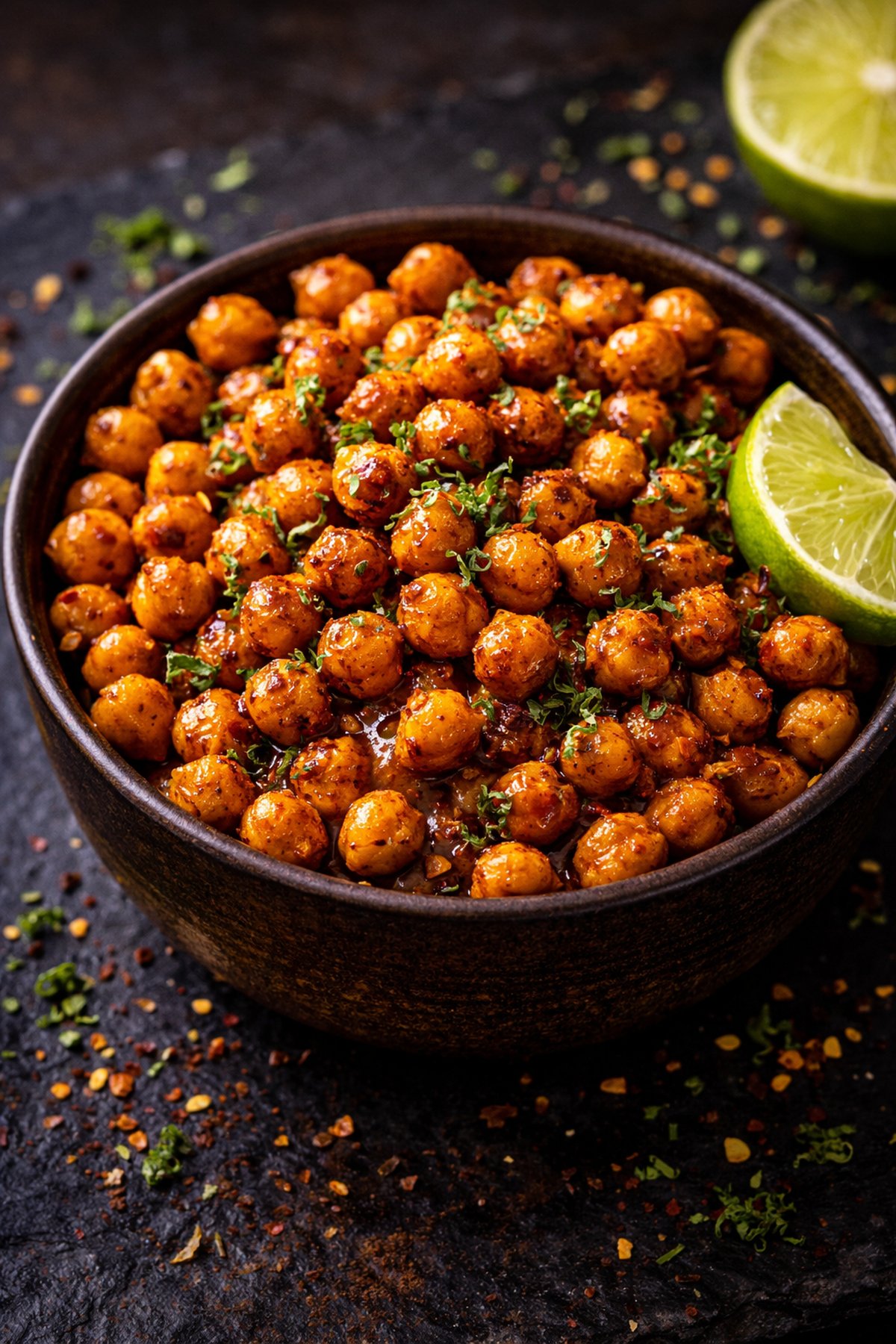
There's a reason abuela's beans always taste better, and it's not just nostalgia. Caribbean grandmothers understand something that recipe shortcuts miss — beans need time, attention, and a few non-negotiable steps to reach their full potential. The first rule is soaking. While quick-soak methods exist, an overnight soak in cold water produces the best texture every single time. The beans hydrate evenly, cook more uniformly, and develop a creamier interior without falling apart.
The second secret is building flavor in layers. Caribbean bean cookery never starts with just water and beans. You build a sofrito or seasoning base first, toasting the aromatics until they're deeply fragrant. Then you add the soaked beans and enough liquid to cover them by about two inches. The slow simmer that follows — usually 90 minutes to two hours for most varieties — allows the beans to absorb all those layered flavors gradually. Resist the urge to add salt until the last 20 minutes of cooking, as salt can toughen the bean skins if added too early.
Essential Pantry Items for Caribbean Bean Cooking
Stocking your pantry with a few key Caribbean staples will make weeknight bean cooking effortless. Keep sazón packets (the seasoning blend with achiote that gives beans their warm golden color), adobo seasoning, dried oregano, cumin, and bay leaves on hand at all times. Tomato paste is essential for building body in the sauce, and a good quality olive oil makes all the difference when finishing your beans. Fresh cilantro, recao (culantro), and limes should be weekly grocery staples — their brightness is what transforms a good pot of beans into an unforgettable one.
The Health Benefits Behind the Trend
Beyond their incredible flavor, beans and legumes are nutritional powerhouses that justify every bit of their trending status. A single cup of cooked beans provides roughly 15 grams of protein, 15 grams of fiber (more than half your daily recommended intake), and significant amounts of iron, folate, magnesium, and potassium. They're naturally low in fat, contain zero cholesterol, and have a low glycemic index that helps maintain steady blood sugar levels throughout the day.
Research published in the American Journal of Clinical Nutrition has consistently linked regular legume consumption to reduced risks of heart disease, type 2 diabetes, and certain cancers. The soluble fiber in beans acts as a prebiotic, feeding beneficial gut bacteria and supporting a healthy microbiome. For Caribbean communities that have centered beans in their diets for centuries, this scientific validation simply confirms what cultural wisdom always held — that a daily pot of beans is one of the best things you can do for your body.
Watch: The Secret to Perfect Black Beans and Rice
Want to see this technique in action? In this video, I walk through every step of making black beans and rice that are packed with flavor — from building the sofrito base to getting that perfect consistency where the sauce clings to every grain of rice.
Bringing It All Together
The beans and legumes trend of 2026 isn't really a trend at all — it's a homecoming. For Dominican and Caribbean cooks, beans have always been the heartbeat of the kitchen, the ingredient that stretches a meal, nourishes a family, and carries the flavors of home across generations and borders. What's changing is that the broader food world is finally paying attention, and that attention is bringing well-deserved recognition to the recipes, techniques, and cultural traditions that Caribbean communities have preserved for centuries.
Whether you're rediscovering your own family's bean recipes or trying habichuelas guisadas for the first time, there's never been a better moment to embrace the legume. Stock your pantry, find a good pot, and give these recipes the time they deserve. The beans will reward your patience with flavor that no shortcut can replicate — and that, more than any trend report or TikTok video, is why Caribbean bean cooking endures.
Leave a Reply