
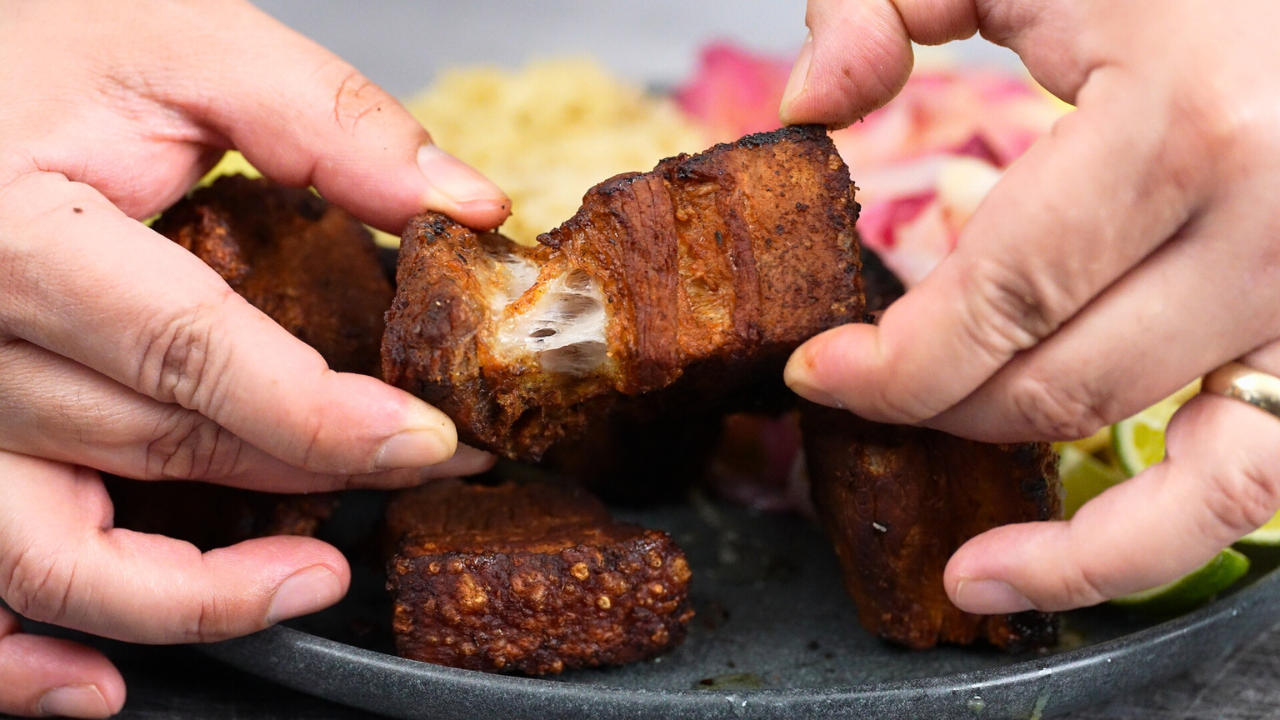
Dominican Chicharrón de Cerdo is crispy, golden fried pork belly that's been a staple at family cookouts, colmados, and street-food stalls across the island for generations. The magic is in the two-step process: the pork belly is first boiled to render its fat and tenderize the meat, then fried in its own rendered fat until the skin puffs and crackles. A generous squeeze of sour orange or lime and a dusting of Dominican oregano give it that unmistakable island flavor. Once you master this recipe, it will become the centerpiece of every gathering you host.
About This Recipe
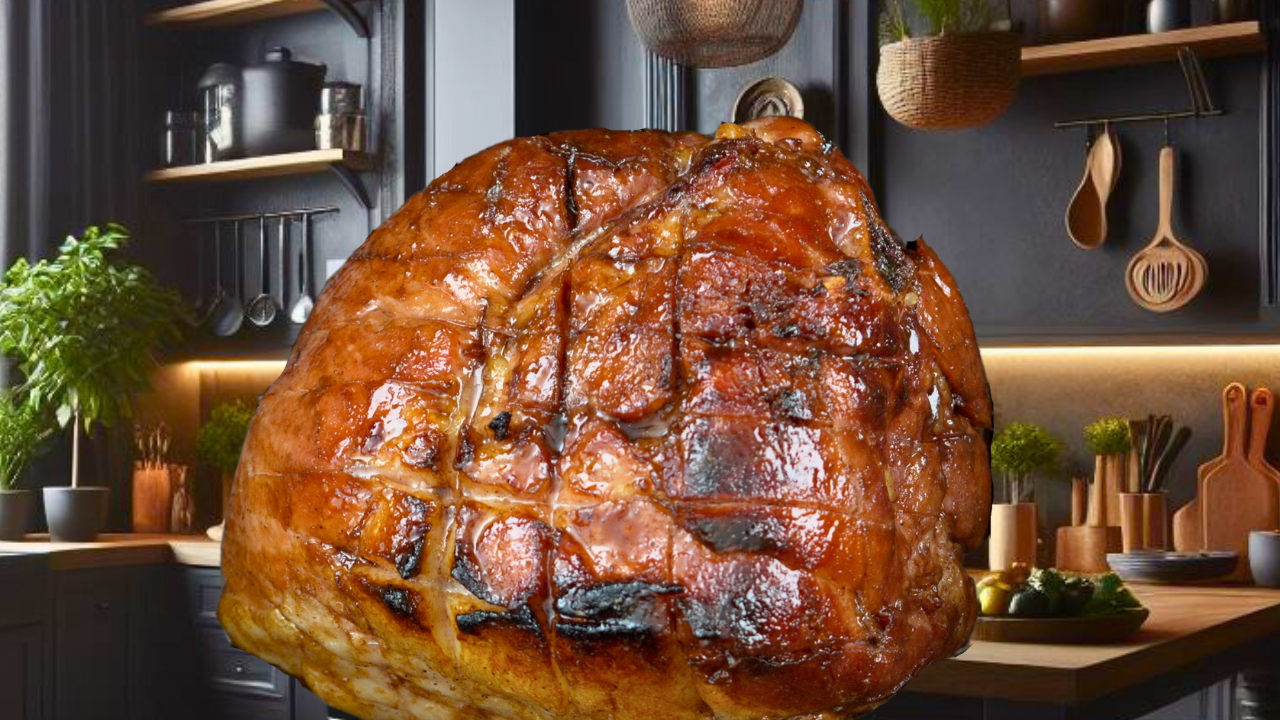
In Dominican families, chicharrón isn't just about the crispy skin—it's about the corte. Each region cuts their pork belly differently: Santiago families prefer thick, chunky pieces that create more tender meat pockets, while coastal families in Puerto Plata cut thinner for maximum crispiness. The real secret most home cooks don't know? Dominican abuela's always score the skin in a diamond pattern, not straight lines, because it creates better fat rendering and prevents the pieces from curling unevenly. This isn't just technique—it's practical wisdom passed down through generations. The diamond scoring also helps the traditional sazón penetrate deeper into the meat, creating that distinctive Dominican flavor profile that separates our chicharrón from Puerto Rican or Cuban versions. When you see perfectly uniform, golden diamonds on your finished chicharrón, you know you've honored the technique correctly.
Ingredients for Dominican Chicharrón de Cerdo
- Pork belly (2 lbs, skin-on) — the star of the dish, cut into 2-inch chunks for the perfect crispy-to-tender ratio.
- White vinegar or lime juice (3 tablespoons) — tenderizes the meat and helps render fat during the boiling stage.
- Salt (1½ teaspoons) — seasons the pork from the inside out during boiling; adjust to taste.
- Dominican oregano (1 teaspoon) — earthy and aromatic, this is the signature herb in Dominican chicharrón.
- Garlic powder (1 teaspoon) — adds savory depth without the risk of burning fresh garlic in hot oil.
- Black pepper (½ teaspoon) — a subtle kick that complements the pork's richness.
- Onion powder (½ teaspoon) — rounds out the seasoning blend with sweet, savory undertones.
- Adobo seasoning (½ teaspoon) — the all-purpose Dominican spice blend that ties everything together.
- Water (1 cup) — used in the boiling step to slowly render fat and cook the pork through.
- Oil (1 cup) — for pan-frying; use a neutral oil with a high smoke point like vegetable or canola.
- Limes (2) — freshly squeezed over the finished chicharrón for that bright, citrusy finish.
How to Make Dominican Chicharrón de Cerdo
Stovetop Method
- Place pork belly chunks in a large pot. Add water, vinegar or lime juice, salt, oregano, garlic powder, onion powder, adobo seasoning, and black pepper. Stir to combine.
- Bring to a boil over medium-high heat, then reduce to medium. Cook uncovered for 25-30 minutes, stirring occasionally, until all the water has evaporated and the pork begins to fry in its own rendered fat.
- Once the water is gone, continue cooking for 10-15 minutes, turning pieces occasionally, until golden brown and crispy on all sides. The skin should be puffed and crackly.
- Remove from the pot and place on a wire rack — not paper towels — to maintain crispiness. Squeeze fresh lime over the top and serve immediately.
Air Fryer Method
- After completing Steps 1-2 above, remove pork from pot once water has evaporated and meat is cooked through. Pat completely dry with paper towels.
- Preheat air fryer to 400°F. Spray basket and pork lightly with cooking oil.
- Air fry for 20 minutes, shake the basket, then continue for another 15-20 minutes until golden, crispy, and puffed.
- Transfer to a wire rack. Squeeze fresh lime over the top and serve immediately.
Substitutions & Variations
- Pork shoulder instead of belly — leaner with less crispy skin, but still delicious. Cut into similar 2-inch chunks and increase the boiling time by 10 minutes.
- Naranja agria (sour orange) — the traditional Dominican choice over lime juice. If you can find it at a Latin grocery store, use it 1:1 in place of the vinegar or lime juice for the most authentic flavor.
- Fresh garlic instead of powder — mince 4-5 cloves and add during the boiling step. The flavor is more pungent but closer to how many abuelas make it.
- Oven-baked method — after boiling, spread pieces on a wire rack over a sheet pan and bake at 425°F for 35-40 minutes, flipping halfway, until crispy.
- Spicy version — add 1 teaspoon of crushed red pepper flakes or a minced habanero to the boiling liquid for a fiery twist.
- Mojo dipping sauce — blend sour orange juice, garlic, olive oil, cilantro, and cumin for a tangy dip instead of the traditional lime squeeze.
What to Serve With Dominican Chicharrón de Cerdo
The crispy, salty richness of chicharrón needs something fresh to cut through all that beautiful fat. My Dominican cucumber salad with lime and red onion is perfect here – the acidity brightens every bite while the cool crunch provides textural contrast that makes each piece of pork even more satisfying.
Nothing beats the classic Dominican pairing of chicharrón with yuca hervida and curtido de cebolla. The mild, starchy yuca soaks up the rendered pork fat like a dream, while the pickled onions add that sharp, tangy bite our abuelas knew would balance the richness perfectly.
For something heartier, serve this alongside arroz con gandules and sweet plantains. The savory rice absorbs those incredible pork drippings, while the caramelized sweetness of the maduros creates that perfect sweet-salty balance that defines so much of our Dominican cooking.
Frequently Asked Questions
1. What is the difference between chicharron and pork cracklings?
Dominican chicharron uses thick cuts of pork belly that are twice-fried for a crispy exterior and tender interior. Cracklings are usually just the skin fried until brittle.
2. Why do you boil the pork before frying?
Boiling renders out excess fat and partially cooks the meat so the interior is tender. The second step — frying — crisps the outside to golden perfection.
3. What cut of pork is used for chicharron de cerdo?
Skin-on pork belly cut into 2-inch chunks is traditional. The skin crisps up during frying while the meat underneath stays juicy and flavorful.
4. How do I get chicharron extra crispy?
After boiling, let the pork dry completely (refrigerate uncovered for a few hours if possible). Dry surface equals crispier results when it hits the hot oil.
5. What oil temperature is best for frying chicharron?
350-375°F is ideal. The pork splatters when it hits the oil, so use a deep pot and be careful. A splatter screen is highly recommended.
6. What is the traditional seasoning for Dominican chicharron?
Sour orange juice (naranja agria), garlic, oregano, and salt are the classic marinade. Lime juice mixed with orange juice substitutes for sour orange.
7. What dipping sauce goes with chicharron?
Wasakaka (Dominican garlic sauce with parsley, olive oil, and vinegar) is the traditional accompaniment. Lime wedges and hot sauce are also popular.
8. Can I make chicharron in an air fryer?
Yes — boil first, then air fry at 400°F for 20-25 minutes, shaking the basket every 5 minutes. You get crispy results with much less oil.
9. How long does chicharron stay crispy?
Best eaten immediately. It stays crispy for about 2 hours at room temperature. Reheat leftovers in a 400°F oven for 10 minutes to re-crisp.
10. What should I serve with chicharron de cerdo?
Tostones (fried plantains), yuca frita, avocado slices, and a simple salad are the classic Dominican accompaniments. White rice and beans complete the meal.
Leave a Reply