
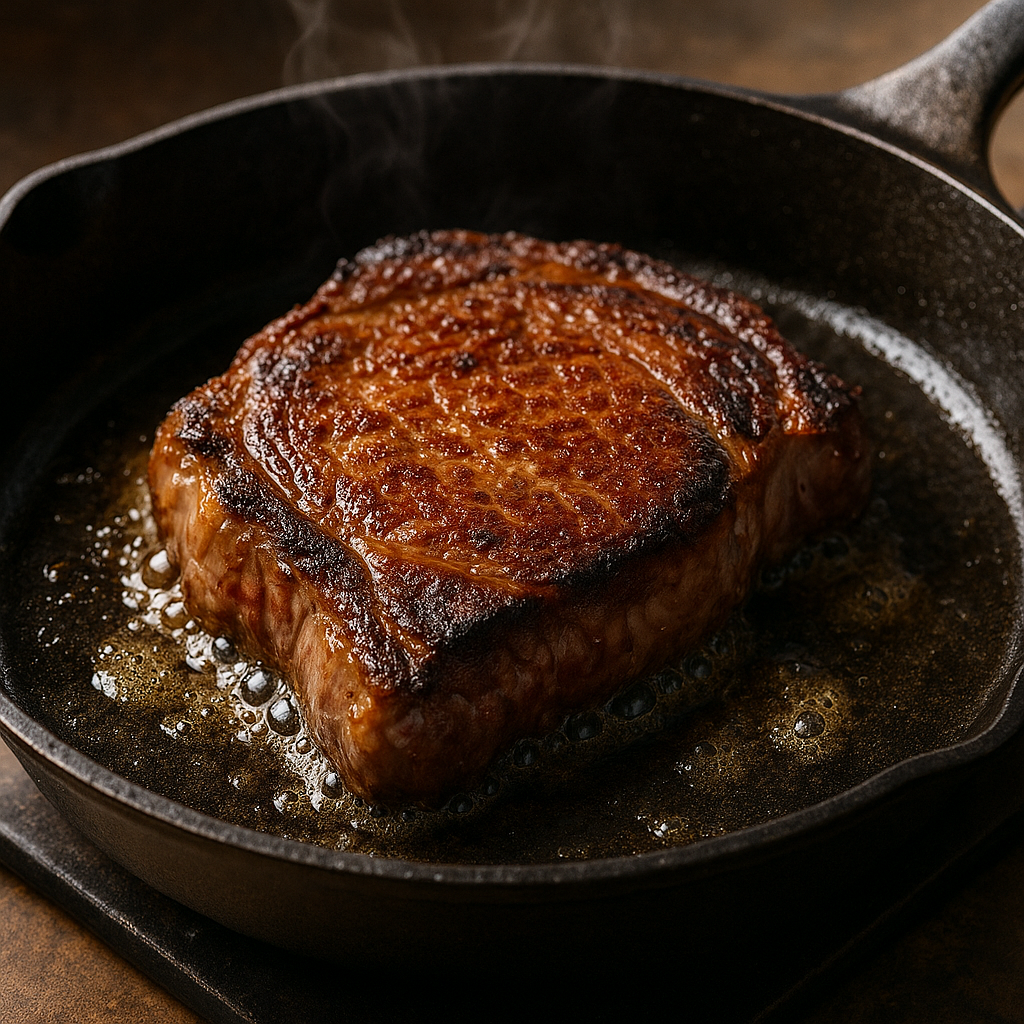
This What Is the Maillard Reaction? The Secret to Flavorful Browning is one of those recipes you'll find yourself making over and over again. It's simple, delicious, and always gets rave reviews. Whether you're a beginner or a seasoned cook, you're going to love how easy and tasty this turns out!
About This Recipe
Here's something that'll blow your mind: the Maillard reaction wasn't even officially "discovered" until 1912, when French chemist Louis-Camille Maillard was actually trying to understand how proteins and sugars interact in the human body. He had no idea he was unlocking the secret behind every perfectly seared steak and golden-brown arepa! What's wild is that this reaction starts happening around 280°F, but it really takes off at 300°F and above – which is exactly why you can't get that beautiful browning when you overcrowd your pan or cook at too low heat. Growing up in Santo Domingo, my abuela always told us to wait for the "chisporroteo" – that sizzling sound – before adding more food to the caldero. She didn't know the science, but she understood that proper browning meant better flavor. That sizzle is actually moisture evaporating, allowing the surface temperature to climb high enough for those magical flavor compounds to form.
Ingredients for What Is the Maillard Reaction?
- 1 thick-cut ribeye steak
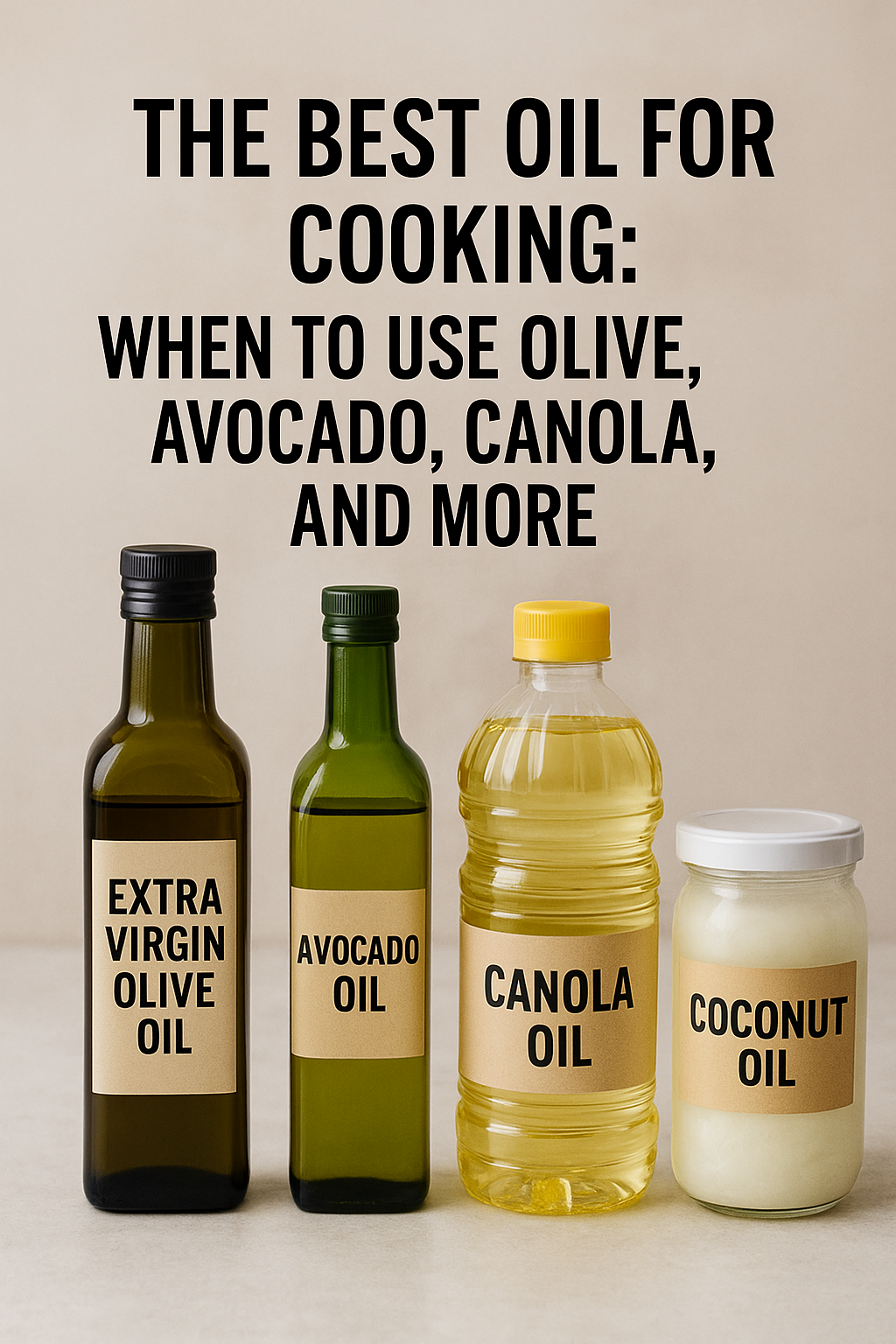
- 1 tablespoon high-heat oil
- Kosher salt
- Black pepper
- 2 tablespoons butter
- 2 cloves garlic, smashed
- Fresh thyme sprigs
Substitutions & Variations
- Ribeye steak: substitute with thick-cut pork chops or chicken thighs for equally impressive Maillard browning at a lower cost while maintaining the juicy, flavorful results.
- High-heat oil: use coconut oil for a subtle tropical flavor that complements Caribbean-inspired seasonings and withstands the high temperatures needed for proper searing.
- Kosher salt and black pepper: replace with sazón completa or adobo seasoning for a Dominican twist that adds garlic, oregano, and cumin to enhance the caramelized crust.
- Butter: substitute with ghee or clarified butter to prevent burning during the high-heat searing process while still achieving that rich, nutty flavor development.
- Fresh thyme: swap for fresh oregano or cilantro stems to give the dish a more Caribbean profile that pairs beautifully with the browned, caramelized flavors.
- Garlic cloves: use sofrito (Dominican cooking base) instead for a more complex aromatic foundation that includes garlic, peppers, and herbs all in one.
How to Make What Is the Maillard Reaction?
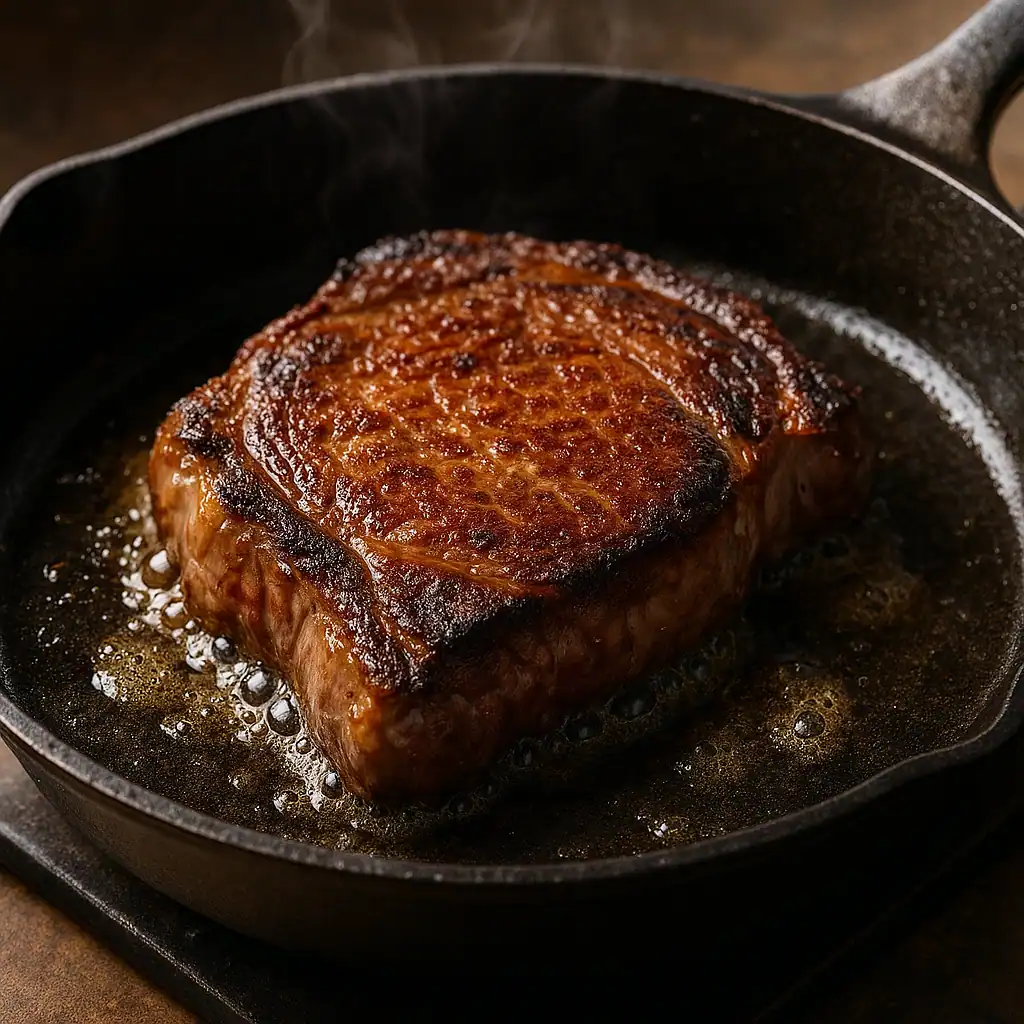
- Pat meat dry before cooking Moisture lowers surface temp = no browning
- Use high heat Don’t crowd the pan — it drops the heat
- Salt early (or dry brine) Salt draws out moisture and helps form that crust
- Let it sit Don’t flip too early — give it time to develop color
- Use a hot, heavy pan or grill Cast iron is perfect for this
What to Serve With What Is the Maillard Reaction?
When you've mastered that perfect Maillard browning on a seared steak, pair it with my Garlic Mojo sauce - the bright citrus cuts through the rich, caramelized crust beautifully. The acidic punch from lime and orange creates an incredible contrast that makes each bite sing.
Perfectly browned plantains showcase the Maillard reaction's magic with their golden, caramelized exterior and creamy interior. Serve them alongside black beans and white rice - this classic Dominican trio lets you appreciate how proper browning transforms simple ingredients into something extraordinary.
That gorgeous golden crust on pan-seared chicken thighs deserves a cooling companion like cucumber yogurt sauce or a crisp jicama slaw. The fresh, crunchy textures provide relief from the intense savory flavors while letting that beautiful browning remain the star of your plate.
Frequently Asked Questions
1. What exactly is the Maillard reaction?
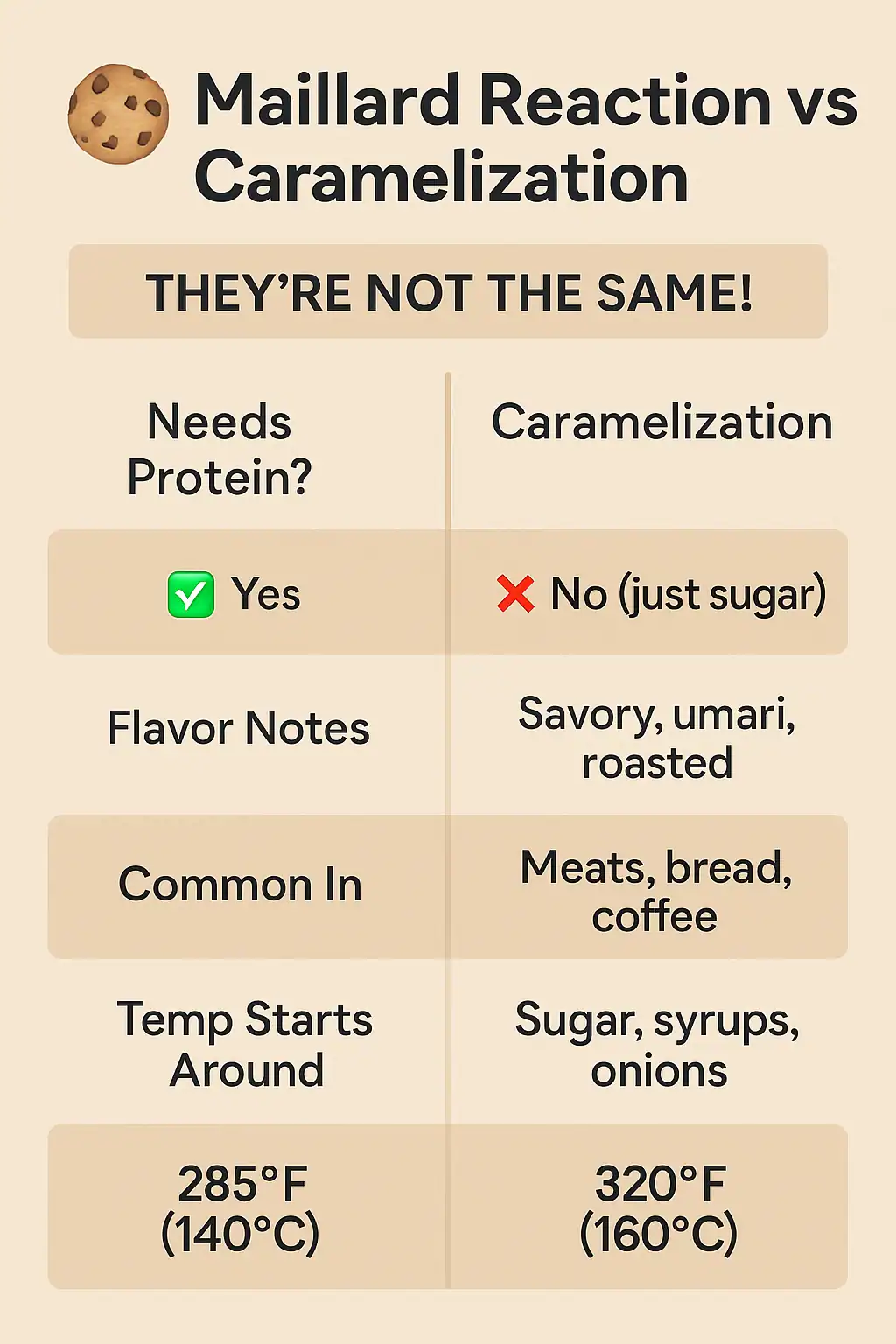
A chemical reaction between amino acids and reducing sugars that occurs at temperatures above 280 degrees Fahrenheit. It creates hundreds of flavor compounds and the brown color on seared, roasted, and toasted foods.
2. What foods rely on the Maillard reaction?
Seared steaks, toasted bread, roasted coffee, French fries, baked cookies, grilled chicken, roasted vegetables, and beer all get their distinctive flavors from Maillard browning.
3. Is the Maillard reaction the same as caramelization?
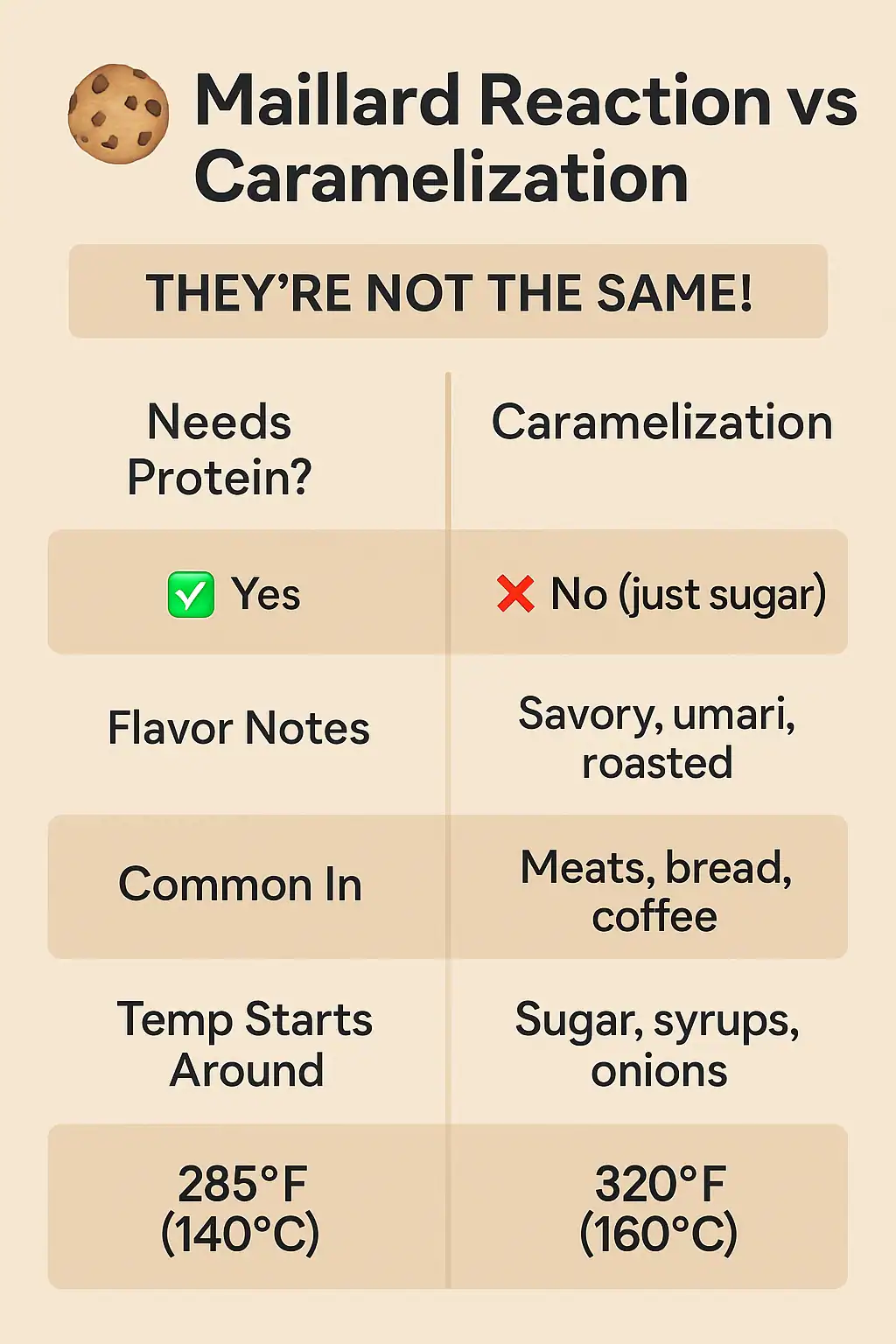
No — caramelization involves only sugars breaking down from heat. The Maillard reaction requires both amino acids (proteins) and sugars interacting. They often happen simultaneously but are different processes.
4. What temperature does the Maillard reaction start?
Around 280-330 degrees Fahrenheit. This is why you need high, dry heat for browning. Boiling (212 degrees) and steaming never reach the threshold, which is why boiled food does not brown.
5. Why is dry heat important for browning?
Surface moisture must evaporate before the Maillard reaction can begin. Wet surfaces stay at 212 degrees (the boiling point of water) which is too low. Patting meat dry before searing is essential.
6. How does the Maillard reaction affect flavor?
It creates hundreds of new flavor compounds that did not exist in the raw food — nutty, savory, toasty, roasted, and complex flavors. It is responsible for the difference between raw and cooked taste.
7. Who discovered the Maillard reaction?
French chemist Louis-Camille Maillard first described it in 1912 while studying how amino acids react with sugars. His discovery explains one of the most fundamental processes in cooking.
8. How can I maximize the Maillard reaction when cooking?
Use high, dry heat; pat food dry; do not overcrowd the pan (crowding creates steam); add a pinch of baking soda to raise pH; and use proteins and sugars together.
9. Does the Maillard reaction only happen with meat?
No — it happens with any food containing proteins and sugars: bread (toasting), onions (caramelizing has both reactions), roasted vegetables, baked goods, coffee roasting, and even making beer.
10. Is browning just about color or does it add flavor?
Both — the brown color and the complex flavors are created simultaneously. A well-browned steak has thousands more flavor compounds than a gray, steamed one. The color indicates flavor development.
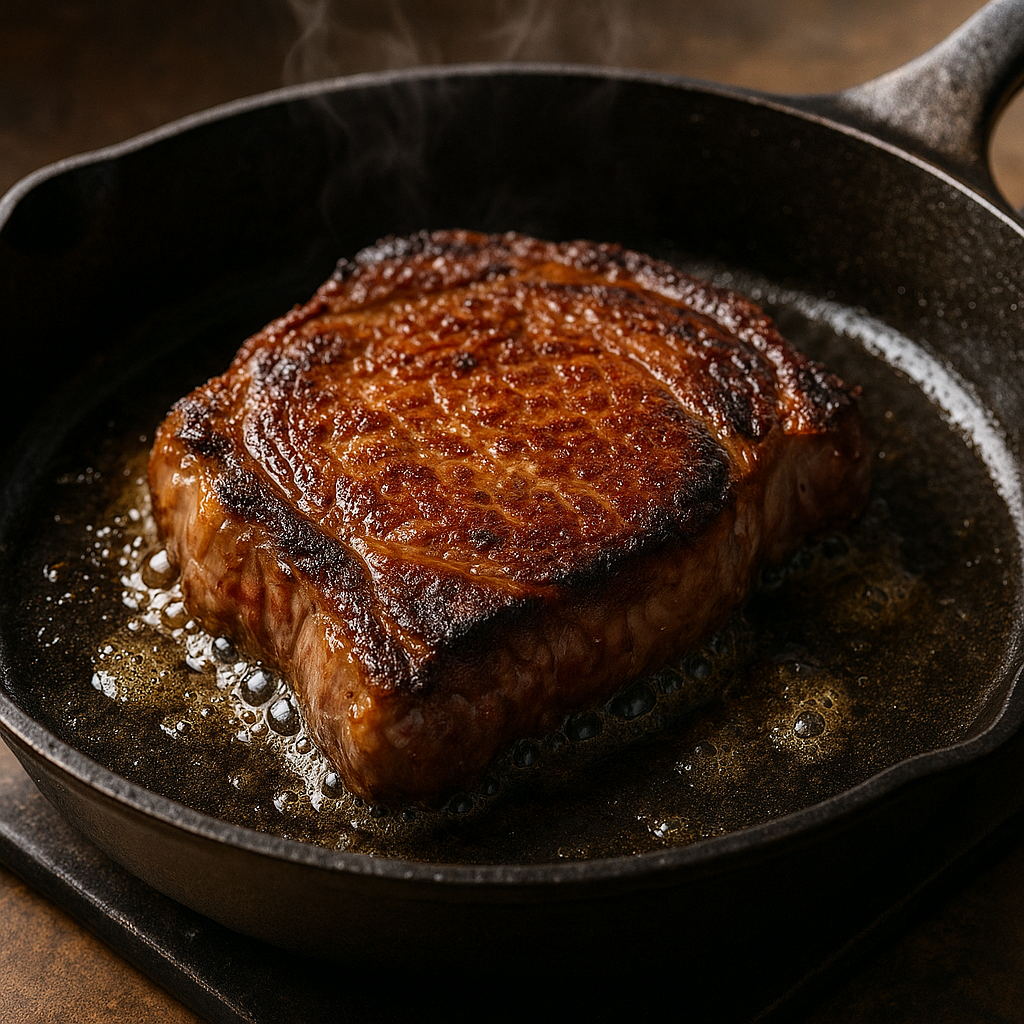
What Is the Maillard Reaction? The Secret to Flavorful Browning
Ingredients
Method
- Pat meat dry before cooking Moisture lowers surface temp = no browning
- Use high heat Don’t crowd the pan — it drops the heat
- Salt early (or dry brine) Salt draws out moisture and helps form that crust
- Let it sit Don’t flip too early — give it time to develop color
- Use a hot, heavy pan or grill Cast iron is perfect for this
Nutrition
Notes
Choose proteins with natural sugars like chicken thighs over lean cuts because the Maillard reaction needs both amino acids AND reducing sugars to create those complex flavors – that's why pork and beef brown so beautifully. Never salt your meat right before searing because salt draws out moisture, creating steam that keeps surface temperature below the 300°F threshold needed for proper browning – salt at least 30 minutes ahead or right after cooking. I learned this from years of making pollo guisado: pat everything bone-dry with paper towels, even vegetables, because even tiny amounts of surface moisture will sabotage the Maillard reaction by cooling the pan temperature. Use a stainless steel or cast iron pan instead of non-stick because those materials conduct heat better and can handle the high temperatures needed – plus, those brown bits (fond) stick perfectly for deglazing into incredible sauces.
Tried this recipe?
Let us know how it was!Filed Under
Kelvin recommends: Lodge Pre-Seasoned Cast Iron Skillet — A heavy cast iron skillet holds heat better than anything for getting that deep sear. (As an Amazon Associate I earn from qualifying purchases.)
You May Also Like
Leave a Reply