
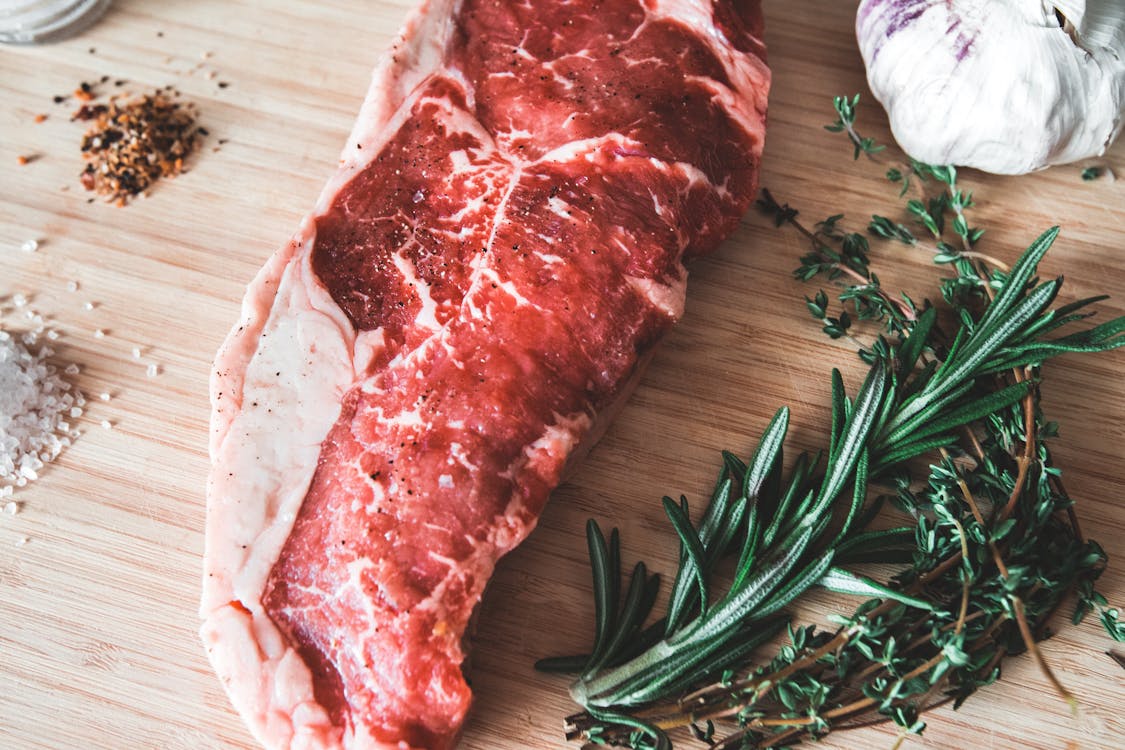
This What Is a Dry Brine? And Why It Makes Your Meat Taste Better is one of those recipes you'll find yourself making over and over again. It's simple, delicious, and always gets rave reviews. Whether you're a beginner or a seasoned cook, you're going to love how easy and tasty this turns out!
Did You Know?
Pro Tips
Frequently Asked Questions
1. What is dry brining?
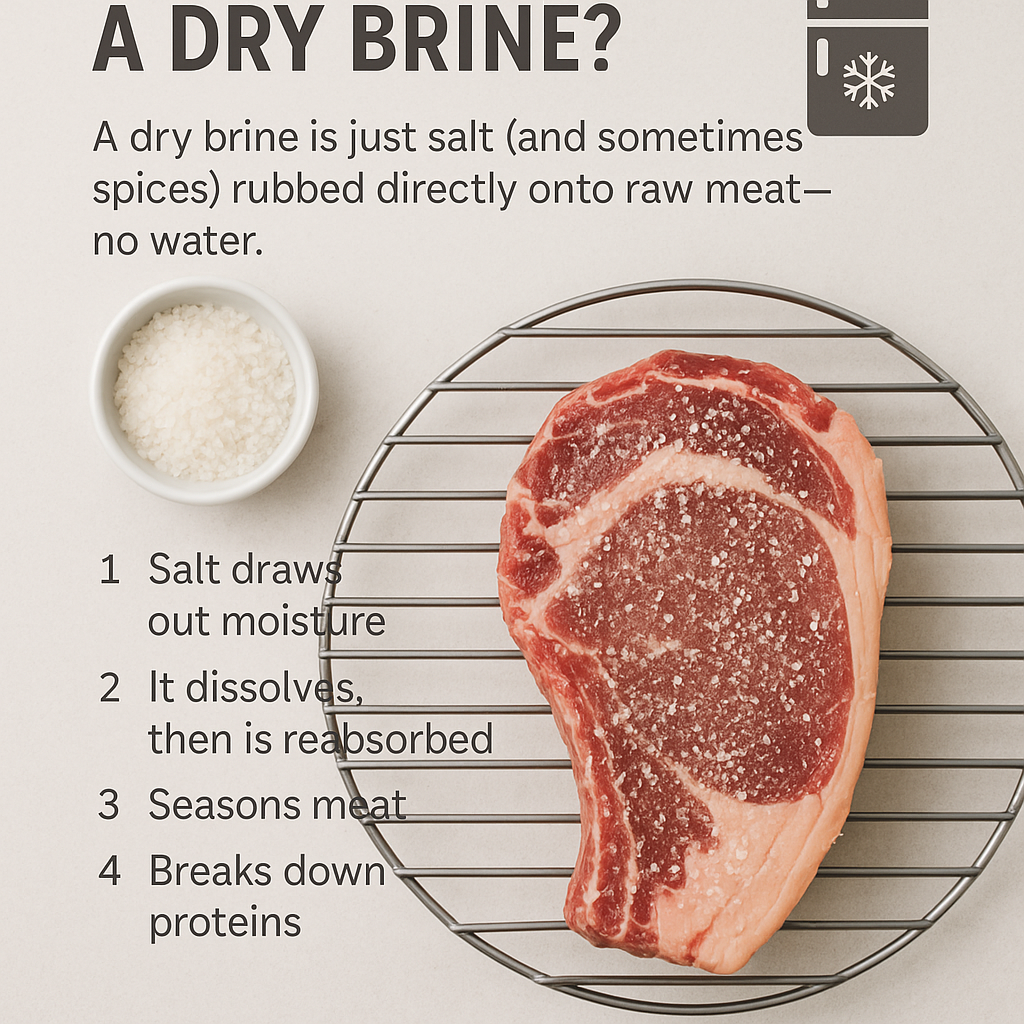
Dry brining means coating meat with salt (and sometimes herbs and spices) and refrigerating it uncovered for hours or days. The salt draws out moisture, dissolves, then gets reabsorbed — seasoning deeply from within.
2. How is dry brining different from wet brining?
Wet brining submerges meat in a salt-water solution. Dry brining uses only salt applied directly to the surface. Dry brining is simpler, takes less fridge space, and produces crispier skin.
3. How much salt should I use for a dry brine?
About ½ to ¾ teaspoon of kosher salt per pound of meat. Apply evenly on all surfaces. The salt will not make the meat too salty — most gets absorbed into the interior.
4. How long should I dry brine?
Minimum 1 hour for steaks, 12-24 hours for chicken, and 24-48 hours for turkey or large roasts. Longer brining equals deeper seasoning and better moisture retention during cooking.
5. Why does dry brining make meat juicier?
Salt breaks down muscle proteins, allowing them to retain more water during cooking. A dry-brined piece of meat loses 10-15% less moisture than unseasoned meat.
6. Why refrigerate uncovered during dry brining?
The open air dries the surface of the meat while the interior retains moisture. This dry surface is essential for achieving crispy, browned skin on chicken and turkey.
7. What meats benefit most from dry brining?
Turkey and whole chicken benefit the most — the results are transformative. Pork chops, steaks, pork tenderloin, and even salmon all improve significantly from dry brining.
8. Can I add other seasonings to a dry brine?
Yes — mix herbs, garlic powder, paprika, or any dry seasoning with the salt. The salt acts as a carrier, pulling those flavors into the meat along with it. This creates deeply seasoned results.
9. Is there any meat I should NOT dry brine?
Avoid dry brining pre-brined or pre-seasoned meats (like kosher chickens or enhanced pork, which already contain added sodium). Check the label — if it says solution added, skip the brine.
10. Does dry brining replace regular seasoning before cooking?
The salt from the dry brine provides the base seasoning, but you can still add pepper, herbs, garlic, and other spices before cooking. Just do not add more salt — the brine handled that.
What Is a Dry Brine? And Why It Makes Your Meat Taste Better
Ingredients
Method
- Salt pulls moisture out of the meat.
- That moisture dissolves the salt on the surface.
- Over time, it’s reabsorbed into the meat — seasoning from the inside out.
- The salt also breaks down muscle fibers, making meat more tender.
- You end up with juicier, more flavorful food — with better browning and crispier skin.
Notes
Refrigerator: Store leftovers in an airtight container for up to 3-4 days.
Freezer: Freeze in a sealed container for up to 2-3 months. Thaw overnight in the fridge.
Reheat: Warm in a skillet over medium heat, in the microwave, or in a 350°F oven until heated through.
Nutrition Facts (Per Serving, Approximate)
Nutrition values are estimates and may vary based on ingredients and preparation.



Leave a Reply