
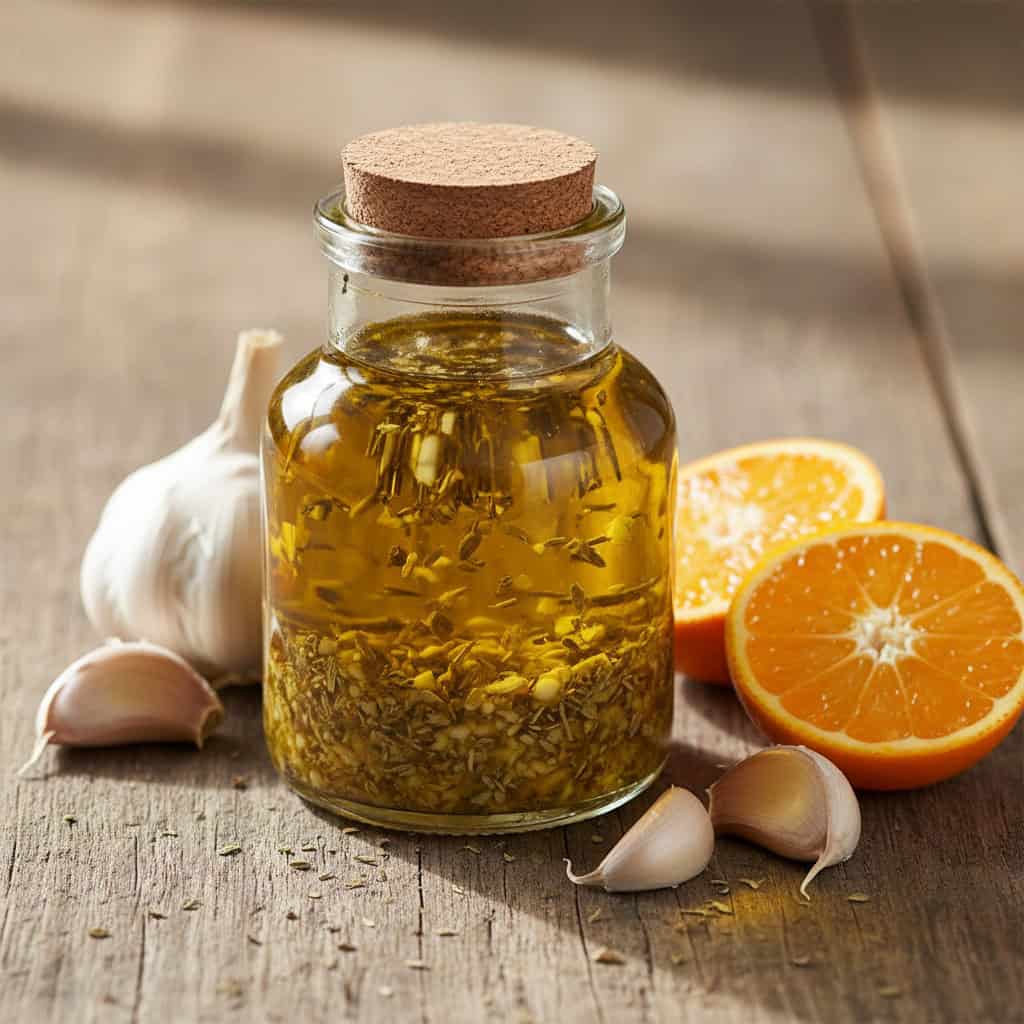
Wasakaka is the Dominican condiment that everything secretly needs. Garlic, sour orange, oregano, olive oil — that's basically it. But the way Dominicans use it is what makes it special. It goes on tostones, on yuca, on chicharrón, on grilled chicken, on fried fish. Anywhere there's something Dominican on a plate, there should be wasakaka in a small bowl on the table.
Growing up in Santo Domingo, my mom always had a jar of homemade wasakaka in the fridge. It went on everything. Five-minute prep, no cooking, lasts a week. The Dominican answer to chimichurri but punchier and brighter. Every Dominican home cook should know how to make this in their sleep.
Today I'm sharing the version my family uses, plus a list of every food you should be putting wasakaka on. Once you make it, you'll find yourself reaching for it daily. Fair warning.
Why You'll Love This Wasakaka Recipe
- Five-minute recipe: No cooking, just whisk and serve. Faster than running to the store for hot sauce.
- Goes on everything: Tostones, yuca, fried meats, grilled fish, mangu — wasakaka makes everything Dominican better.
- Make-ahead friendly: Lasts a week in the fridge. The flavor gets deeper over the first 2 days.
- Naturally vegan and gluten-free: No animal products, no allergens, just bright pure flavor.
- Cheap to make: Garlic, citrus, oil — pantry staples. Costs under $2 to make a big jar.
What Is Wasakaka?
Wasakaka is a thin, pourable Dominican condiment made from garlic, sour orange (or lime/orange juice combo), olive oil, oregano, and salt. Some versions also include finely diced onion or fresh parsley. It's served at the table like hot sauce — drizzled over food at the moment of eating, never cooked into dishes. The flavor is bright, garlic-forward, and deeply savory, with the sour orange providing a citrus tang that Dominican palates immediately recognize.
The name 'wasakaka' has uncertain origins. Some Dominican linguists trace it to a Taíno word; others believe it's a phonetic play on the sound of the sauce being shaken in a bottle. The sauce itself dates back to colonial Dominican cooking, when Spanish settlers combined their garlic-and-citrus traditions with indigenous Taíno flavors. The result is a sauce that's been part of Dominican cuisine for over 400 years, refined and passed down through generations of home cooks.
What's the difference between wasakaka and chimichurri? Both are uncooked herb-and-oil sauces, but they have different DNA. Argentine chimichurri uses parsley as the base, with red wine vinegar and dried red pepper flakes. Dominican wasakaka uses garlic and citrus as the base, with oregano as the primary herb. Chimichurri is herbier; wasakaka is more pungent and sharp. Both are excellent with grilled meats, but they belong to different culinary traditions. If you've had chimichurri at an Argentine steakhouse, wasakaka is the Dominican answer — same role, completely different flavor profile.
Ingredients You'll Need
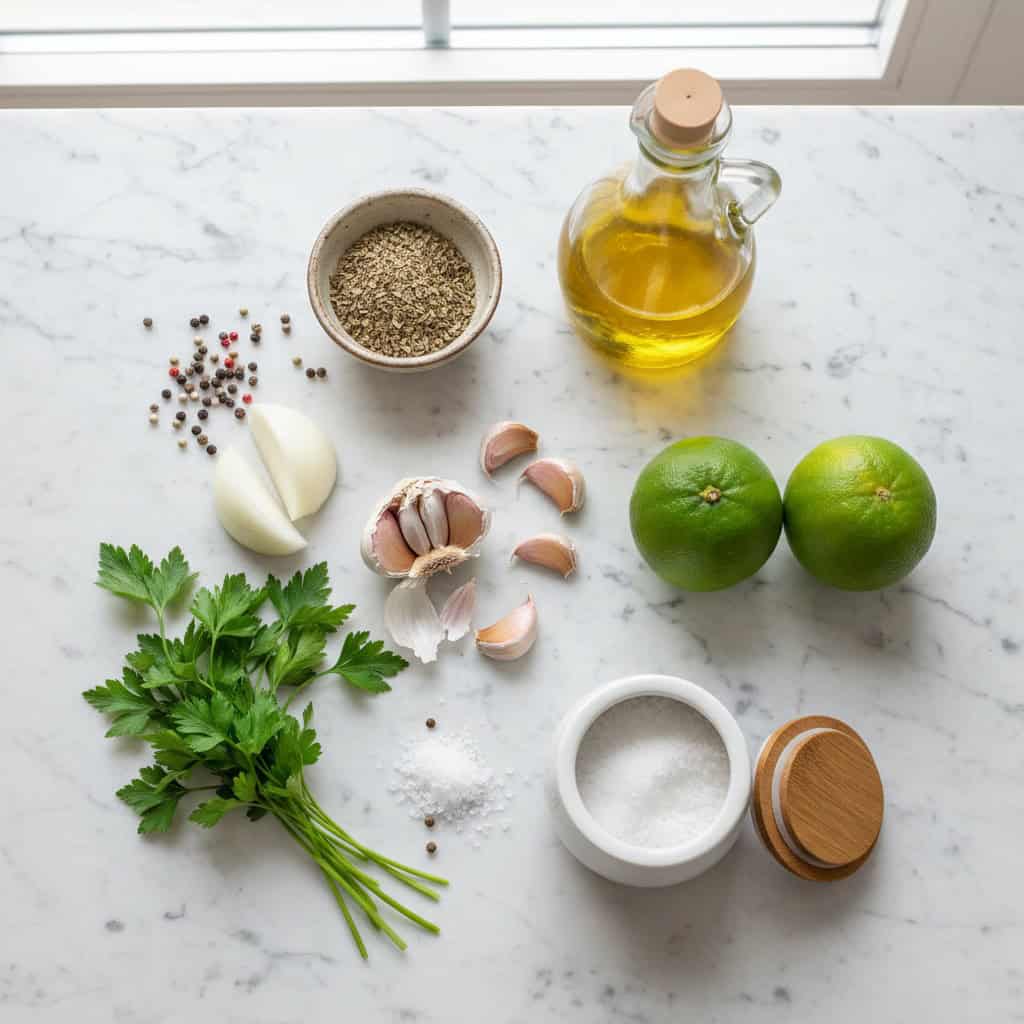
- 1 head of garlic (10-12 cloves), peeled
- ½ cup sour orange juice (or ¼ cup orange juice + 3 tablespoon lime juice)
- ⅓ cup extra virgin olive oil
- 1 tablespoon dried Dominican oregano
- 1 teaspoon salt (or to taste)
- ¼ teaspoon black pepper
- ¼ cup finely diced white onion (optional)
- 2 tablespoon fresh parsley, chopped (optional)
Equipment: A small food processor or molcajete (mortar and pestle) for the garlic. A glass jar for storage.
8 Things to Put Wasakaka On
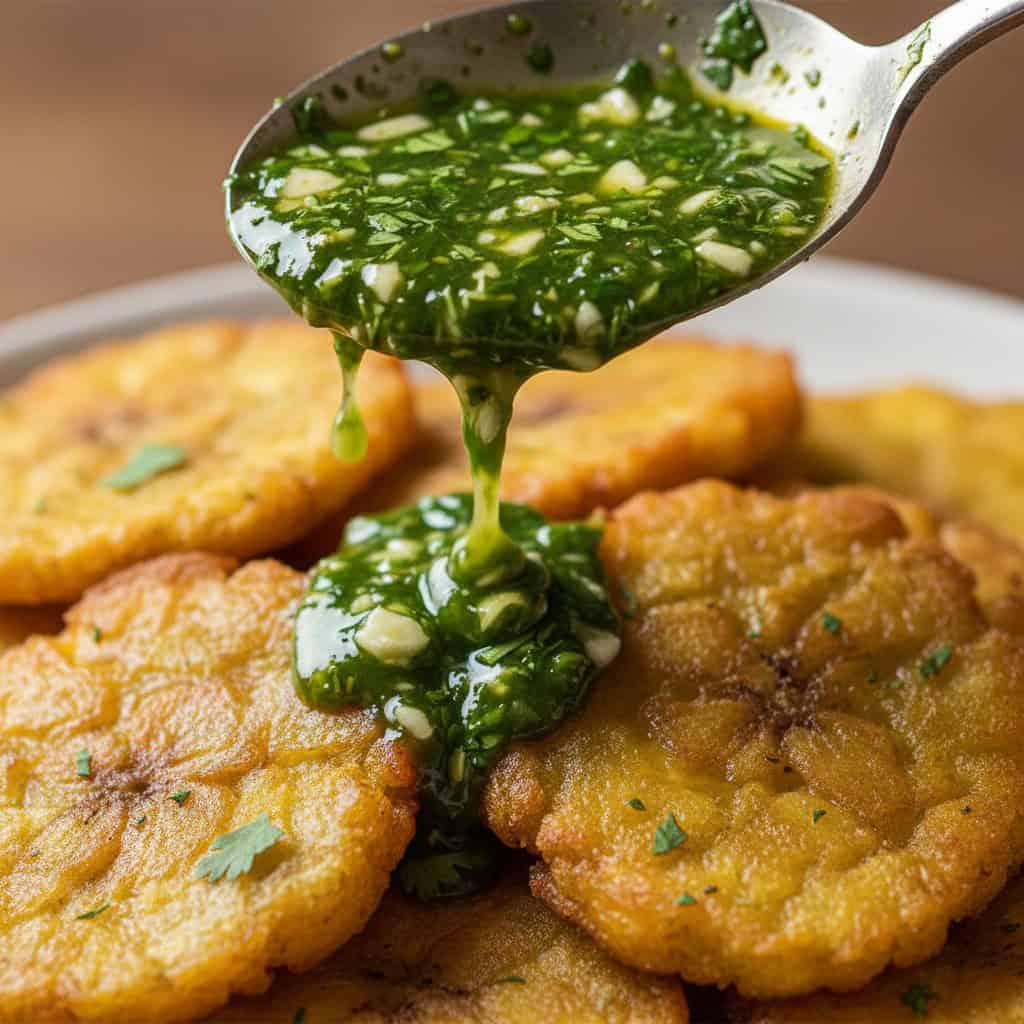
- Tostones: The classic pairing — drizzle wasakaka right after smashing the plantains.
- Yuca con mojo: Even on top of the existing mojo for double garlic intensity.
- Carne frita: Drizzle over Dominican fried beef pieces.
- Chicharrón de cerdo: Crispy fried pork rinds become next-level with wasakaka.
- Grilled or pan-seared fish: Especially red snapper or sea bass.
- Mangu: A spoonful drizzled over your morning mashed plantains.
- Fried chicken: Wasakaka cuts through the richness of any fried bird.
- Boiled vegetables: Yuca, ñame, batata — any boiled vianda welcomes wasakaka.
Step-by-Step Instructions
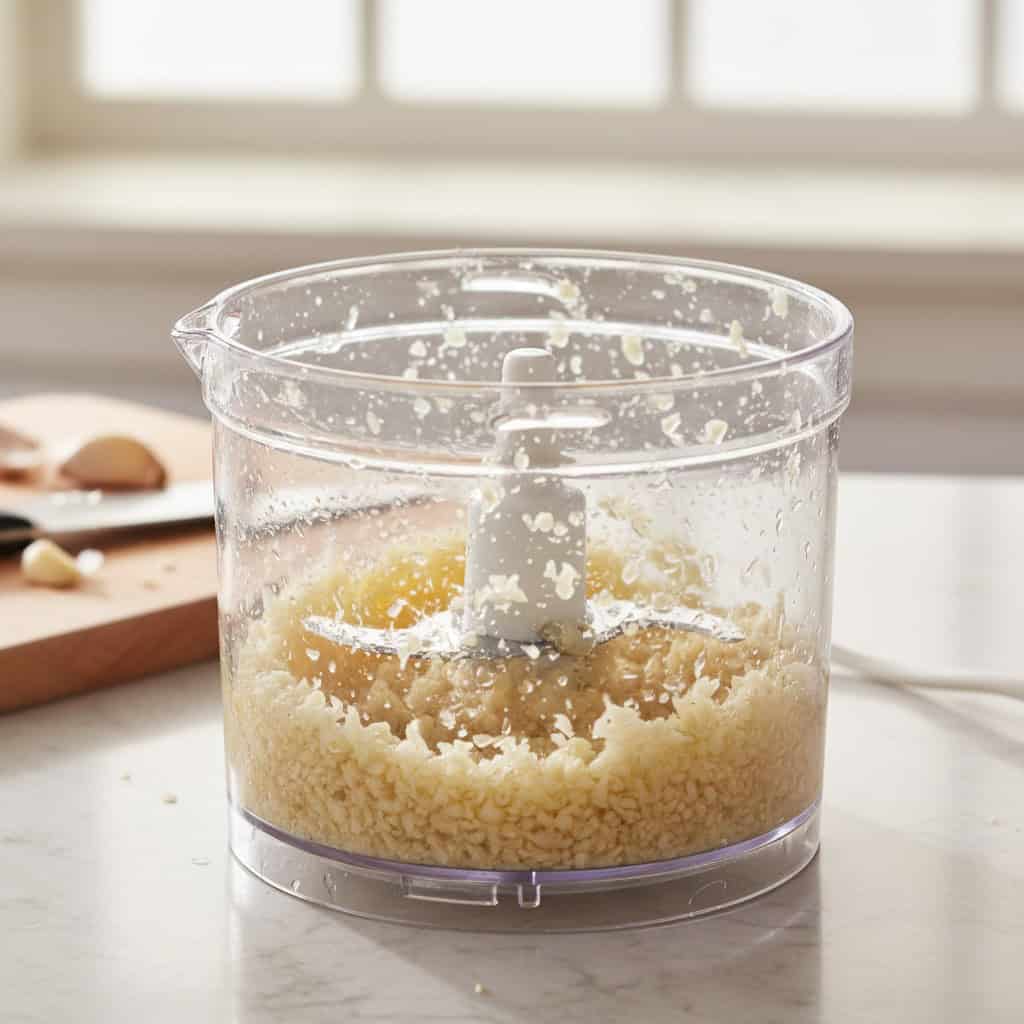
Step 1 — Mince the Garlic
Pulse peeled garlic cloves in a food processor until very finely minced — almost paste-like but not blended. Or smash by hand with a mortar and pestle for the most traditional texture.
Step 2 — Combine the Wet Ingredients
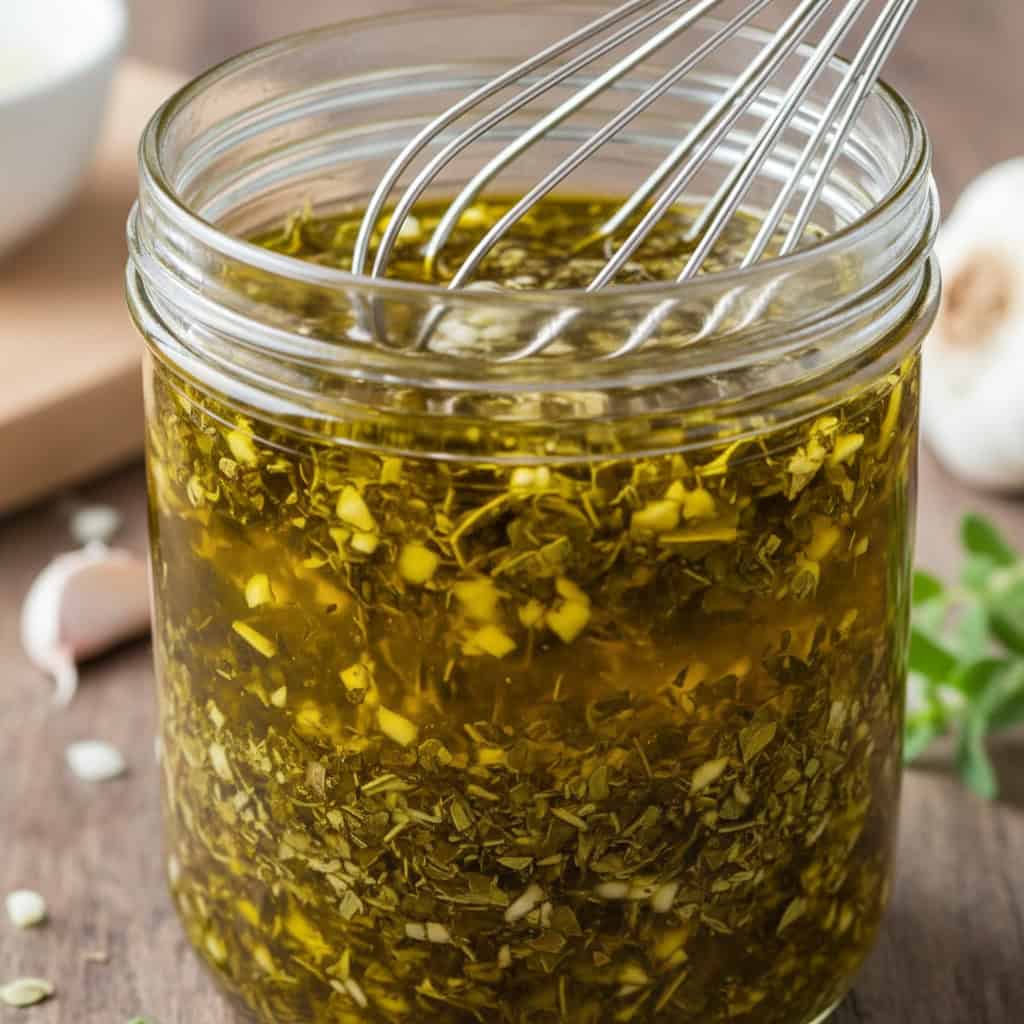
In a glass jar or bowl, combine sour orange juice (or orange + lime substitute), olive oil, oregano, salt, and pepper. Whisk to combine.
Step 3 — Add the Garlic
Add the minced garlic to the liquid. Stir to combine. The garlic should be suspended throughout the liquid.
Step 4 — Add Optional Aromatics
If using, add finely diced white onion and chopped parsley. Stir to combine.
Step 5 — Rest Before Serving
Let the wasakaka sit at room temperature for at least 30 minutes (or in the fridge for 1 hour) before serving. This allows the flavors to meld.
Step 6 — Serve and Store
Pour into a small serving bowl with a spoon for the table. Store leftovers in a covered jar in the fridge for up to 1 week. Shake or stir before each use to redistribute the oil.
Pro Tips for Perfect Wasakaka
- Use sour orange when possible: Naranja agria is the authentic acid in wasakaka. The OJ + lime combo is a substitute, not equivalent. If you have a Latin grocery nearby, get sour orange — the flavor difference is significant.
- Don't blend smooth: Wasakaka should have some texture from the minced garlic. Blending it smooth makes it more like a salad dressing. Mince fine but stop short of paste.
- Make a big batch: The recipe doubles or triples easily. A big jar in the fridge is a Dominican kitchen essential. You'll go through it faster than you expect.
- Serve in a small pitcher with spout: For drizzling over individual servings at the table, a small pitcher with a spout works better than a bowl with a spoon. Easier to control the pour.
- Bring to room temp before serving: Cold wasakaka tastes muted. Take it out of the fridge 15 minutes before serving so the flavors come alive.
Variations
Spicy Wasakaka
Add 1 finely diced aji caballero or habanero pepper to the recipe. Or 1 teaspoon red pepper flakes. Adds heat without changing the core flavor.
Cilantro Wasakaka
Replace the parsley with ¼ cup chopped fresh cilantro. Brighter, more herbaceous version. Excellent with seafood.
Cuban Mojo Style
Heat the oil with the garlic on the stove for 1 minute (don't brown), then add the citrus. Slightly more intense garlic flavor. Serve warm or cold.
What to Serve With Wasakaka
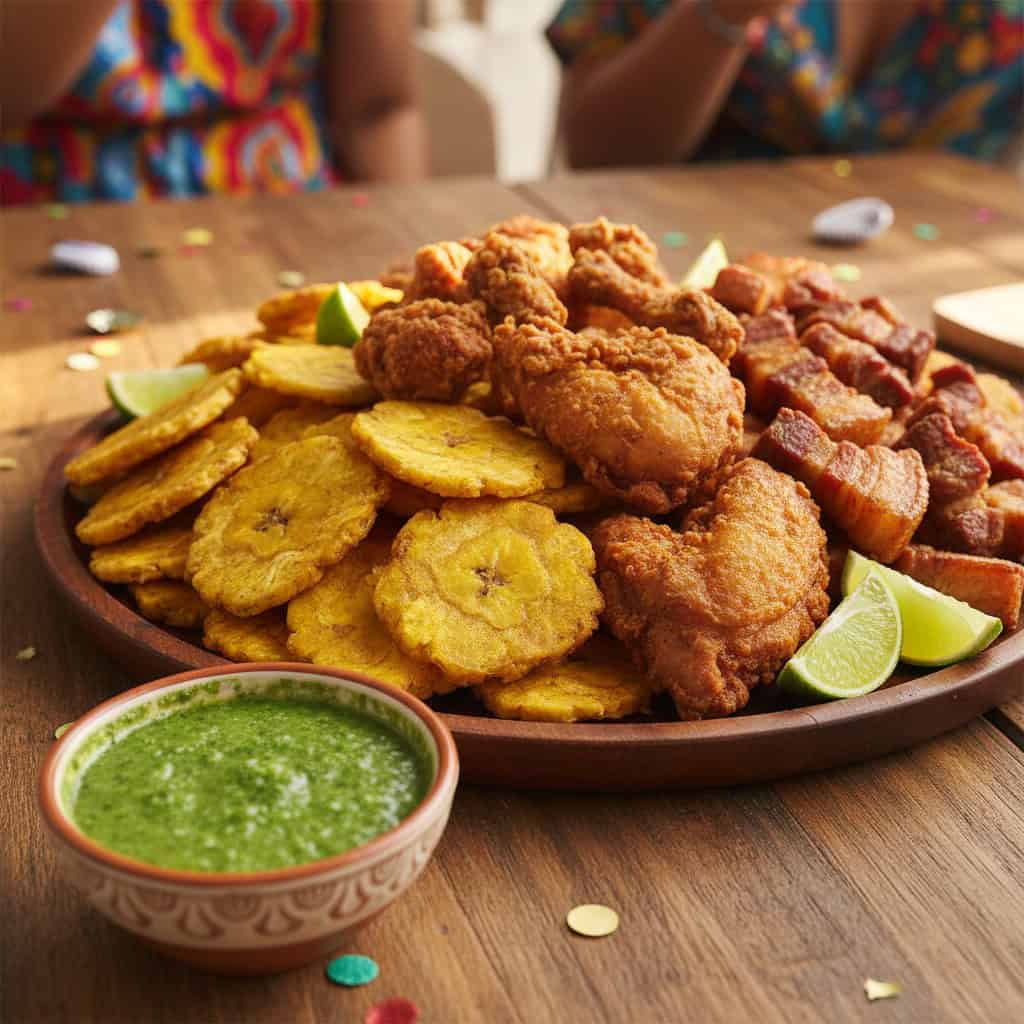
- Tostones: The classic Dominican appetizer pairing.
- Yuca con mojo: Double the garlic intensity.
- Carne frita: Cuts through the richness of fried beef.
- Grilled fish: Especially red snapper or sea bass.
- Pernil: Slow-roasted pork loves wasakaka.
You May Also Like
Frequently Asked Questions
What does 'wasakaka' mean?
The exact origin of the word is debated. Some linguists trace it to a Taíno word; others believe it's onomatopoeia for the sound of the sauce being shaken in a bottle. What's certain: it's a uniquely Dominican word for a uniquely Dominican condiment.
How long does wasakaka last in the fridge?
Up to 1 week in a covered jar in the refrigerator. The garlic flavor actually deepens over the first 2-3 days. After a week, the flavor starts to dull and the garlic can develop bitter notes.
Can I freeze wasakaka?
Not recommended — the texture changes when thawed and the olive oil can separate permanently. Wasakaka is so quick to make that there's no real reason to freeze it. Make small batches as needed.
Is wasakaka the same as Dominican mojo?
Closely related but not identical. Mojo is typically heated (oil sizzled with garlic, then citrus added) and used hot over yuca or as a marinade. Wasakaka is uncooked and served cold/room temperature as a table condiment. Both contain garlic and citrus, but the technique and use differ.
Can I use it as a marinade?
Yes — wasakaka makes an excellent marinade for chicken, pork, or fish. Marinate for 2-4 hours before cooking. The garlic and citrus tenderize and flavor the meat. Don't marinate longer than 6 hours or the citric acid can break down the meat texture.
What if I don't have sour orange?
Substitute ¼ cup orange juice + 3 tablespoons lime juice. The flavor will be slightly different (less complex than real sour orange) but still delicious. Some people use just lime juice — works but is more acidic.
Can I make it without oil?
Possible but not recommended. The oil carries the garlic and herb flavors and gives the sauce its body. Without oil, wasakaka becomes more like a vinaigrette and loses its character. Stick to the recipe.
Is wasakaka the same as chimichurri?
Different sauce entirely. Chimichurri is parsley-based with vinegar; wasakaka is garlic-based with citrus. Both are uncooked herb-and-oil sauces served with grilled meats, but they have different ingredients, different cultures, and different flavor profiles.
Can I add hot peppers?
Absolutely — adding 1 finely chopped aji caballero, habanero, or jalapeño turns it into spicy wasakaka. Common in Dominican households where heat is preferred. Start with a small amount and adjust to taste.
Where do Dominicans eat wasakaka?
At every meal where there's a starchy or fried Dominican food. It appears at family lunches, Sunday dinners, parties, and on every chimi truck. It's a daily condiment, not a special occasion sauce.
Wasakaka Sauce
Ingredients
Method
- Pulse peeled garlic in food processor until very finely minced.

- In jar, combine sour orange juice, olive oil, oregano, salt, pepper. Whisk.
- Add minced garlic. Stir to combine.
- Add optional onion and parsley. Stir.
- Rest 30 min at room temperature for flavors to meld.
- Serve at table. Store covered in fridge up to 1 week.
Notes
Tried this recipe?
Let us know how it was!Shop This Recipe
View on Amazon →
View on Amazon →
View on Amazon →
As an Amazon Associate I earn from qualifying purchases at no extra cost to you.
Make a jar today. Put it on everything for the next week.


Leave a Reply