
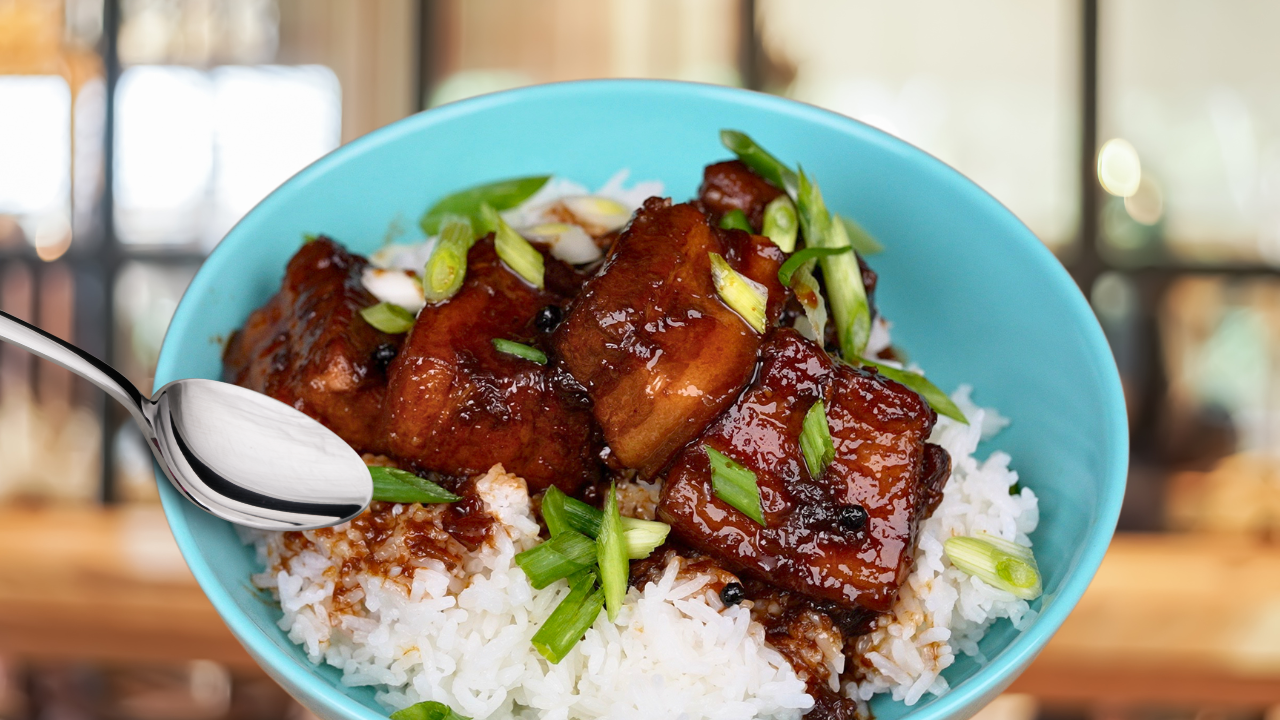
Pork Adobo is the crown jewel of Filipino cooking — tender pork braised in a tangy, garlicky sauce of soy sauce and vinegar. This simple yet deeply flavorful dish is comfort food at its finest. Find the full recipe below.
Did You Know?
Adobo is widely considered the national dish of the Philippines, though every family has their own version. The word 'adobo' actually comes from the Spanish word adobar, meaning 'to marinate,' but Filipino adobo predates Spanish colonization — Filipinos were already braising meats in vinegar long before the Spanish arrived.
The vinegar in adobo was originally used as a preservation method in the tropical climate. The acidity kept the meat safe to eat for days without refrigeration, making it a practical and delicious solution for Filipino households.
Pro Tips
- Don't skip the marinating time — even 30 minutes in the soy-vinegar mixture makes a huge difference in flavor penetration.
- Use pork shoulder or belly — fattier cuts become meltingly tender during braising and stay juicy.
- Don't stir after adding vinegar — let the vinegar come to a boil on its own. Stirring before boiling can make the sauce taste harsh.
- Reduce the sauce — after the pork is tender, remove it and reduce the sauce until thick and glossy for maximum flavor.
- Sear the pork after braising — for extra flavor, sear the cooked pork pieces in a hot pan until crispy on the edges.
Frequently Asked Questions
What vinegar should I use?
Filipino cane vinegar (sukang maasim) is traditional, but white vinegar or apple cider vinegar works well too.
Can I use chicken instead of pork?
Absolutely — chicken adobo is equally popular. Use bone-in thighs for the best flavor and reduce the cooking time.
Why is my adobo too sour?
Make sure the vinegar comes to a full boil — this mellows the acidity. You can also add a pinch of sugar to balance it.
Should I use dark or light soy sauce?
Regular soy sauce is standard. Some cooks add a splash of dark soy for deeper color, but it's not necessary.
How long does adobo keep?
Adobo actually tastes better the next day! Store in the fridge for up to 5 days. The vinegar acts as a natural preservative.
Can I make it in a slow cooker?
Yes — combine everything and cook on low for 6-8 hours. The long cooking makes the pork incredibly tender.
Do I need to add water?
Some recipes add a splash of water, but the soy sauce and vinegar should provide enough liquid if you braise on low heat with a lid.
What makes adobo different from other braised dishes?
The combination of soy sauce and vinegar without tomato or other sweet elements gives it a uniquely tangy, savory flavor.
Yes, absolutely! Pork shoulder can be a great substitute if you prefer or if pork belly is not readily available.
Watch the Full Video
Watch the video above for a complete step-by-step walkthrough of this recipe. Don't forget to subscribe to Kelvin's Kitchen on YouTube for more delicious recipes!
Full Recipe
Pork Adobo: The Ultimate Recipe You Need to Try Now
Ingredients
Method
- 1. Cut the pork into 2-inch bite-sized pieces.
- 2. In a large skillet over medium heat, add 2 tablespoons of vegetable oil. Sauté the pork belly until browned on all sides, working in batches to avoid overcrowding the pan. No need for marination!
- 3. Set aside the browned pork and sauté sliced onions until translucent. Add minced garlic and sauté until fragrant.
- 4. Return the pork to the skillet and add brown sugar, whole peppercorns, and bay leaves. Sauté to caramelize the sugar.
- 5. Pour in regular soy sauce, white vinegar, and water. Bring the mixture to a boil, then reduce heat to low, cover, and simmer for 1 hour.
- 6. After an hour, remove the lid, increase heat to medium, and reduce the liquid until it thickens into a delightful sauce.
- 7. Save the leftovers for an even more flavorful experience the next day.
- 8. Serve your Filipino-inspired Pork Adobo Delight over white rice and garnish with fresh scallions.
What to Serve With Pork Adobo
Steamed jasmine rice is non-negotiable — you need it to soak up every drop of that tangy, garlicky adobo sauce.
A fried egg on top is a popular addition. The runny yolk mixes into the sauce and rice, adding richness to every bite.
Sautéed greens or steamed bok choy add freshness and a vegetal crunch that lightens the rich, savory pork.




Leave a Reply