
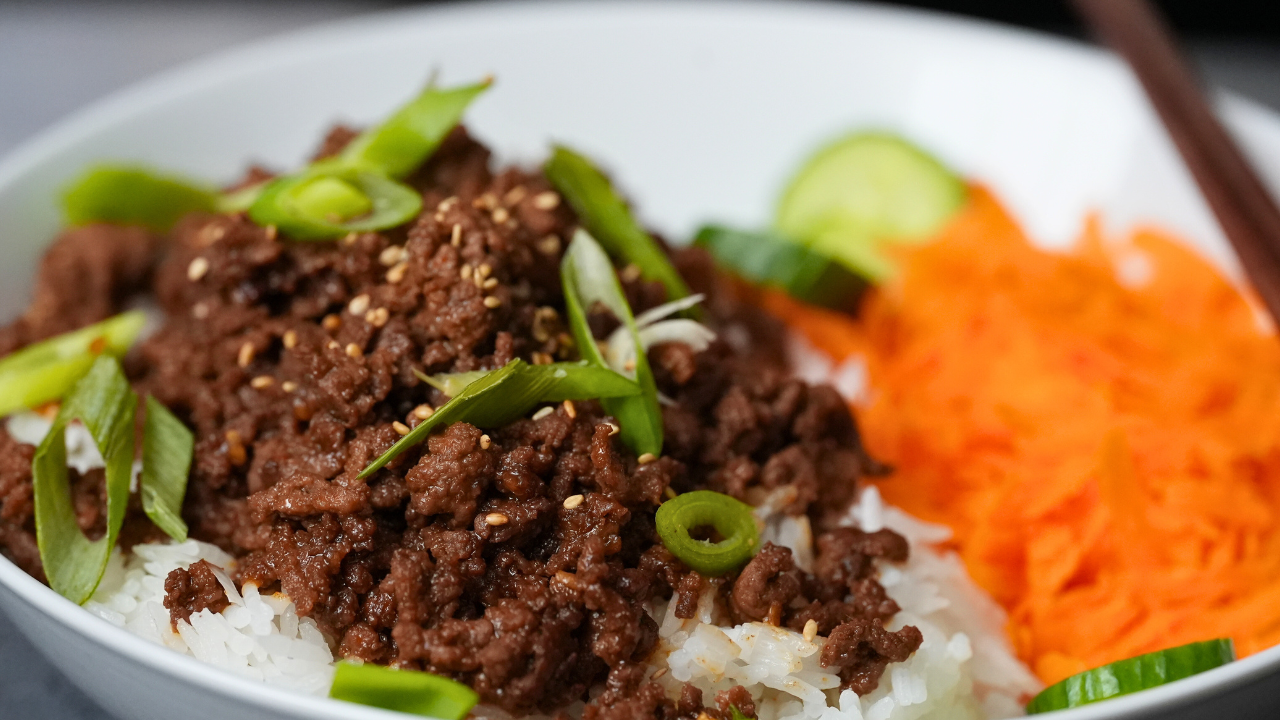
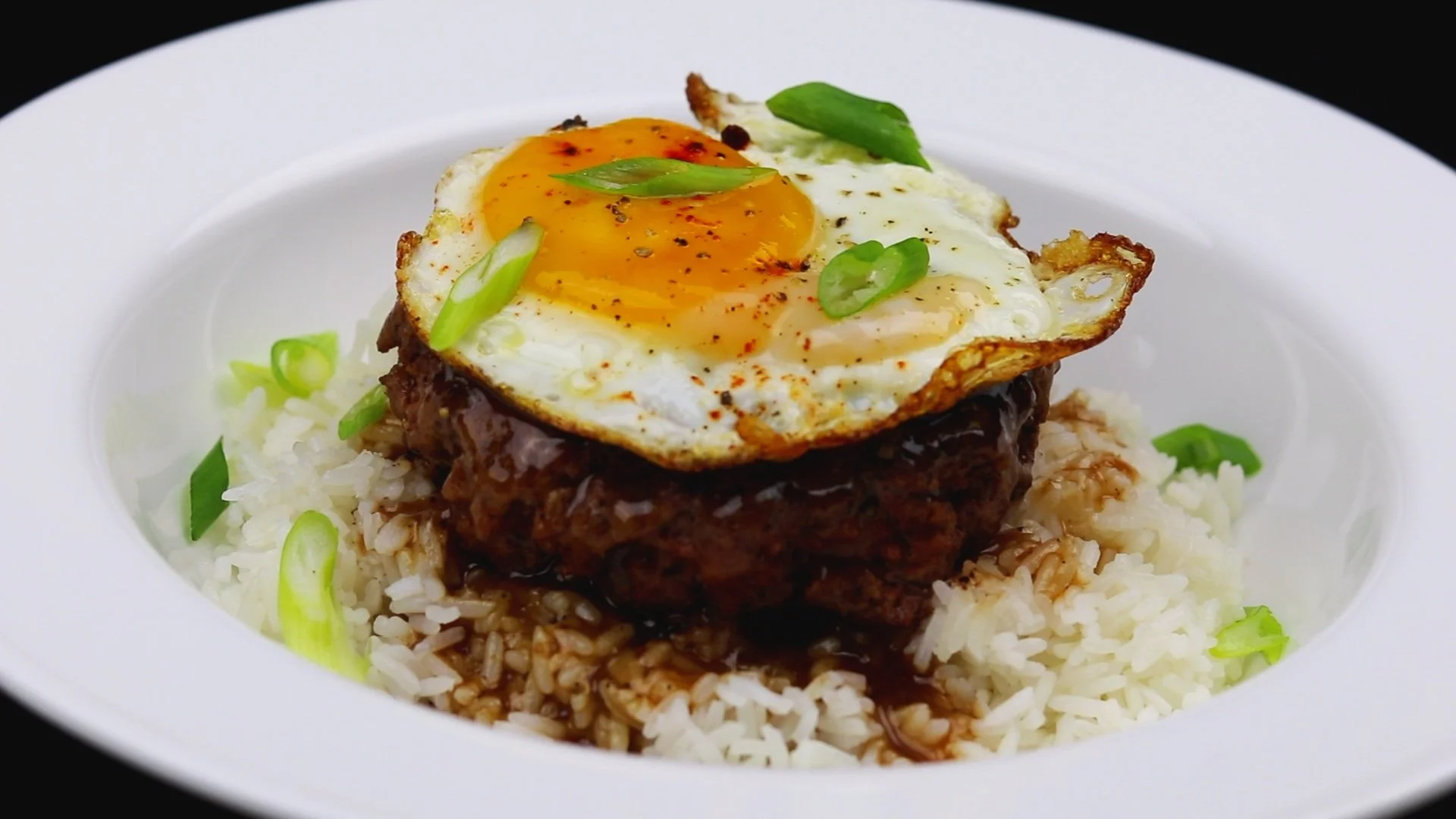
These Korean Ground Beef Bowls bring bold, savory-sweet flavors to the table in under 30 minutes. Seasoned ground beef is tossed in a sticky gochujang and soy glaze, then piled over fluffy rice with fresh toppings. Find the full recipe below.
Did You Know?
Korean ground beef bowls, also known as bulgogi-style bowls, are inspired by the flavors of traditional Korean BBQ. The combination of soy sauce, sesame oil, and gochujang creates a flavor profile known as umami — the savory fifth taste that makes dishes irresistible.
Gochujang, the fermented red chili paste used in this recipe, has been a staple in Korean cooking for over 500 years. It's made from chili powder, glutinous rice, fermented soybeans, and salt, and develops complex flavors as it ages.
Pro Tips
- Use 80/20 ground beef — the extra fat keeps the meat juicy and helps the sauce caramelize.
- Don't stir too often — let the beef develop a nice sear before breaking it up for more flavor.
- Make it spicier — add a teaspoon of gochugaru (Korean chili flakes) or extra gochujang to kick up the heat.
- Prep toppings ahead — slice cucumbers, green onions, and pickled radish beforehand for quick assembly.
- Use day-old rice — slightly dried-out rice absorbs the sauce better and has a better texture.
Frequently Asked Questions
Can I use ground turkey instead of beef?
Yes! Ground turkey works well. Add an extra splash of sesame oil to make up for the lower fat content.
What is gochujang and where can I find it?
Gochujang is a Korean fermented chili paste. Find it in the Asian aisle of most grocery stores or at any Asian market.
How do I store leftovers?
Store the beef mixture separately from the rice in airtight containers. It keeps for up to 4 days in the fridge.
Can I freeze Korean beef bowls?
Yes, freeze the cooked beef for up to 3 months. Thaw overnight in the fridge and reheat in a skillet.
What can I use instead of gochujang?
Mix sriracha with a little miso paste and brown sugar for a quick substitute.
Is this recipe gluten-free?
Use tamari or coconut aminos instead of soy sauce to make it gluten-free.
Can I meal prep this recipe?
Absolutely! It's one of the best meal prep recipes. Portion into containers with rice and toppings on the side.
What rice works best?
Short-grain white rice or jasmine rice both work perfectly. Brown rice is a great whole-grain option too.
Watch the Full Video
Watch the video above for a complete step-by-step walkthrough of this recipe. Don't forget to subscribe to Kelvin's Kitchen on YouTube for more delicious recipes!
Full Recipe
Ingredients
Method
- What toppings can I add to the Korean Ground Beef Bowls? Popular toppings include sliced cucumbers, shredded carrots, kimchi, and additional green onions or sesame seeds.
- sliced cucumbers, shredded carrots, kimchi
- Cook the Beef:In a large skillet over medium-high heat, cook the ground beef until browned and fully cooked, breaking it apart with a spoon. Drain any excess fat.
- Prepare the Sauce:In a small bowl, whisk together soy sauce, brown sugar, minced garlic, minced ginger, sesame oil, gochujang, and crushed red pepper flakes (if using).
- Combine and Simmer:Pour the sauce over the cooked ground beef. Stir to coat the beef evenly with the sauce. Let it simmer for about 2-3 minutes, allowing the flavors to meld together.
- Serve:Spoon the beef over a bowl of cooked rice. Garnish with chopped green onions and sesame seeds. Add optional toppings like sliced cucumbers, shredded carrots, or kimchi for extra flavor and crunch.
- Consider adding vegetables like broccoli, bell peppers, or snap peas to the skillet when cooking the beef for extra nutrition and texture.
- This recipe is great for meal prepping. Store the beef and rice in separate containers in the fridge for up to 4 days. Reheat and assemble when ready to eat.
What to Serve With Korean Ground Beef Bowls
Quick pickled vegetables are a must — thinly sliced cucumbers and carrots in rice vinegar add a refreshing crunch that balances the rich beef.
Steamed or roasted broccoli on the side adds color and nutrition. A drizzle of sesame oil and a sprinkle of sesame seeds ties it right in.
Kimchi is the classic companion — its tangy, spicy fermented flavor complements the sweet-savory beef beautifully.
Leave a Reply