
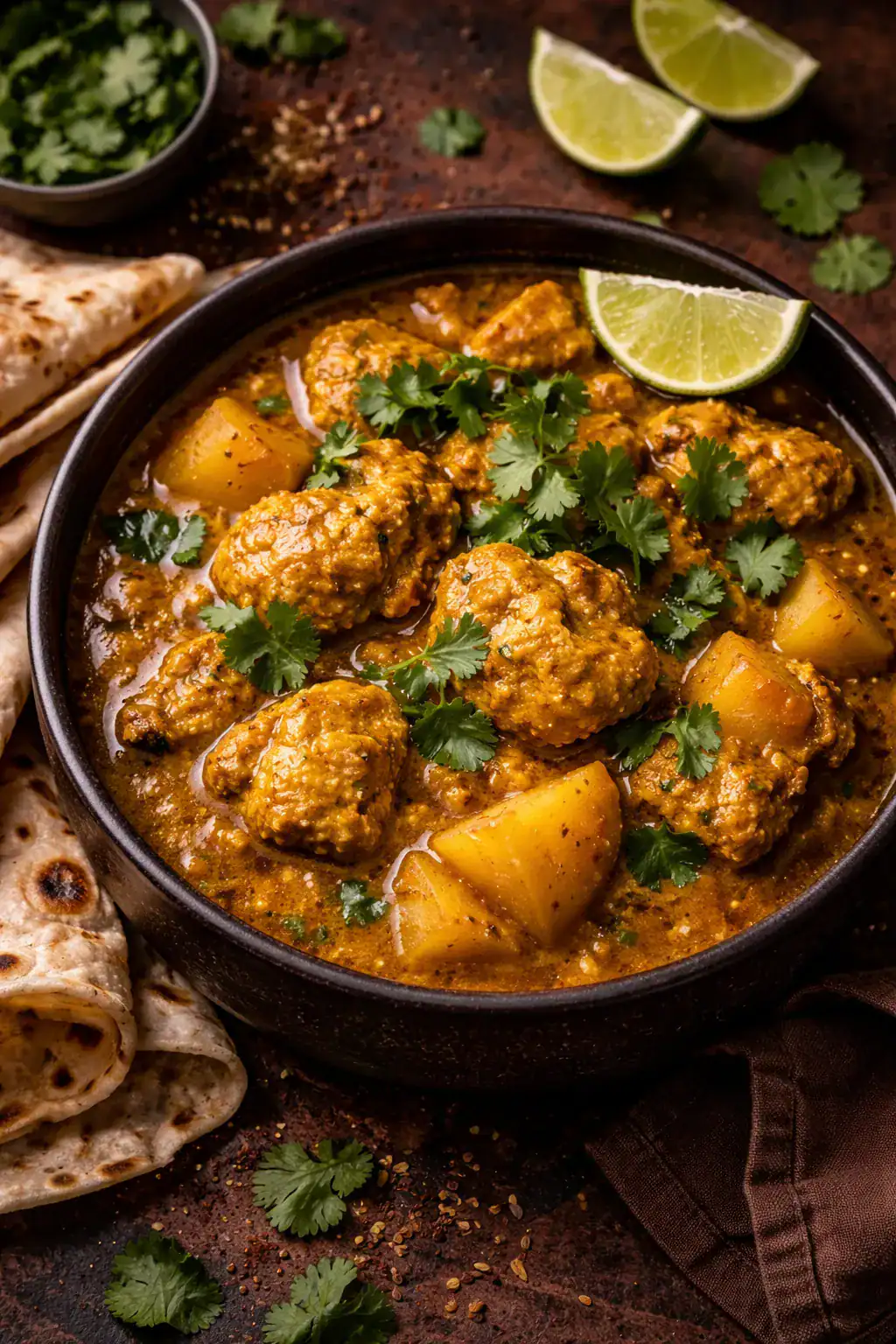
For years, "Indian food" in mainstream American food culture meant butter chicken, tikka masala, and naan. These dishes are extraordinary, but they represent only a tiny fraction of one of the most diverse, regionally varied, and historically rich culinary traditions on earth. In 2026, that is finally changing.
Penn State Extension's food trends report identifies regional Indian cuisine as one of the key trend drivers of the year. The National Restaurant Association's What's Hot Culinary Forecast cites Indian flavors and techniques gaining significant traction in fast-casual and fine dining alike. And food media is increasingly moving beyond the familiar North Indian dishes that have dominated Western Indian restaurant menus for decades — exploring the coconut-rich curries of Kerala, the tamarind-forward cooking of Tamil Nadu, the mustard seed traditions of Bengal, and the fiery vinegar-based dishes of Goa.
For Caribbean cooks, this trend is not as foreign as it might seem. The connection between Indian and Caribbean cuisine runs deep — deeper than most people realize. Indentured laborers from India arrived in the Caribbean in massive numbers throughout the nineteenth and early twentieth centuries, bringing with them cooking traditions that permanently transformed the food cultures of Trinidad, Guyana, Jamaica, and across the region. The Caribbean curry tradition is Indian at its roots. And in 2026, that shared history is finally getting the recognition it deserves.
The Indian-Caribbean Connection
The story of Indian cuisine in the Caribbean begins with indentureship. After the abolition of slavery in the British Caribbean in 1834, plantation owners sought new sources of labor and turned to India. Between 1838 and 1917, approximately half a million Indian indentured laborers were transported to Trinidad, Guyana, Jamaica, Barbados, and other islands.
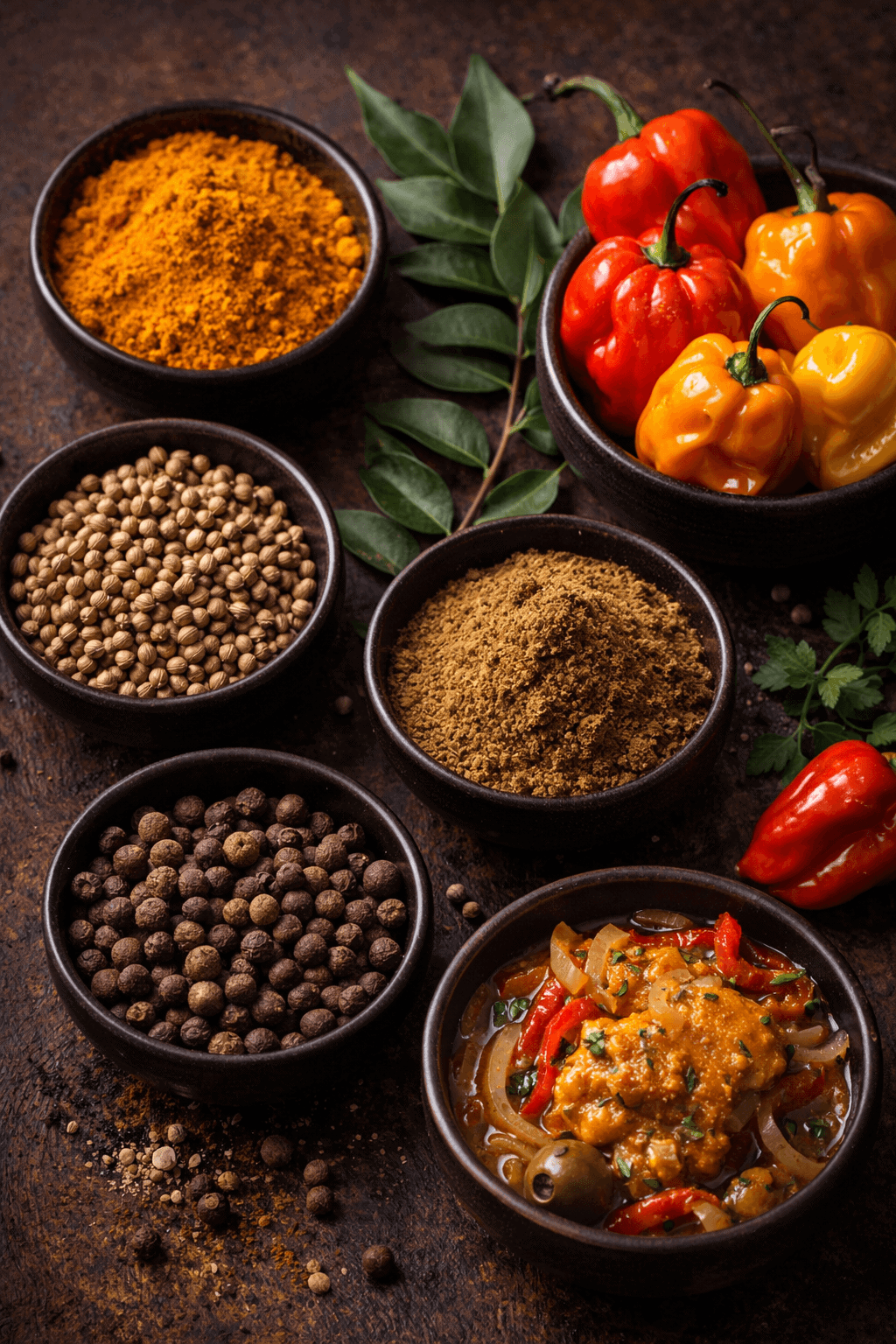
These workers brought with them not just their labor but their entire culinary culture — spices, techniques, traditions, and a deep knowledge of cooking that would permanently transform Caribbean food. The Indian workers planted cumin, coriander, turmeric, and hot peppers. They brought the tradition of dahl — split lentil soup — which became a Caribbean staple. They introduced roti, the flatbread that is now as central to Trinidadian food culture as any dish with African or European roots.
The result, in places like Trinidad especially, is a cuisine that is genuinely Afro-Indian-Caribbean — a fusion forged not in a chef's kitchen but in the lived experience of communities who cooked together, shared ingredients, and created something entirely new from the collision of their traditions.
Regional Indian Cuisine in 2026 — What's Trending
Goan Cuisine — Goa's food is uniquely vinegar-forward — a legacy of Portuguese colonialism that created dishes like vindaloo and cafreal where vinegar is the primary acid rather than citrus. For Caribbean cooks who already understand the power of vinegar in cooking, Goan dishes feel immediately familiar. The combination of vinegar, chili, and spice in a Goan vindaloo is not so different from the acidic, spiced marinades of Dominican and Caribbean cooking.
Keralan Cuisine — Kerala's food is built on coconut — coconut oil, coconut milk, fresh coconut, toasted coconut. The fish curries of Kerala, swimming in fragrant coconut-based sauces with curry leaves, mustard seeds, and green chilies, have direct parallels in the coconut-based seafood dishes of Trinidad, Barbados, and the wider Eastern Caribbean.
Punjabi and North Indian Street Food — Chaat — the category of savory Indian street snacks built around contrasting flavors, textures, and the essential chaat masala spice blend — is having a massive moment in American food culture. The combination of crispy, creamy, tangy, and spicy in a single bite is exactly the kind of sensory complexity that modern food media loves.
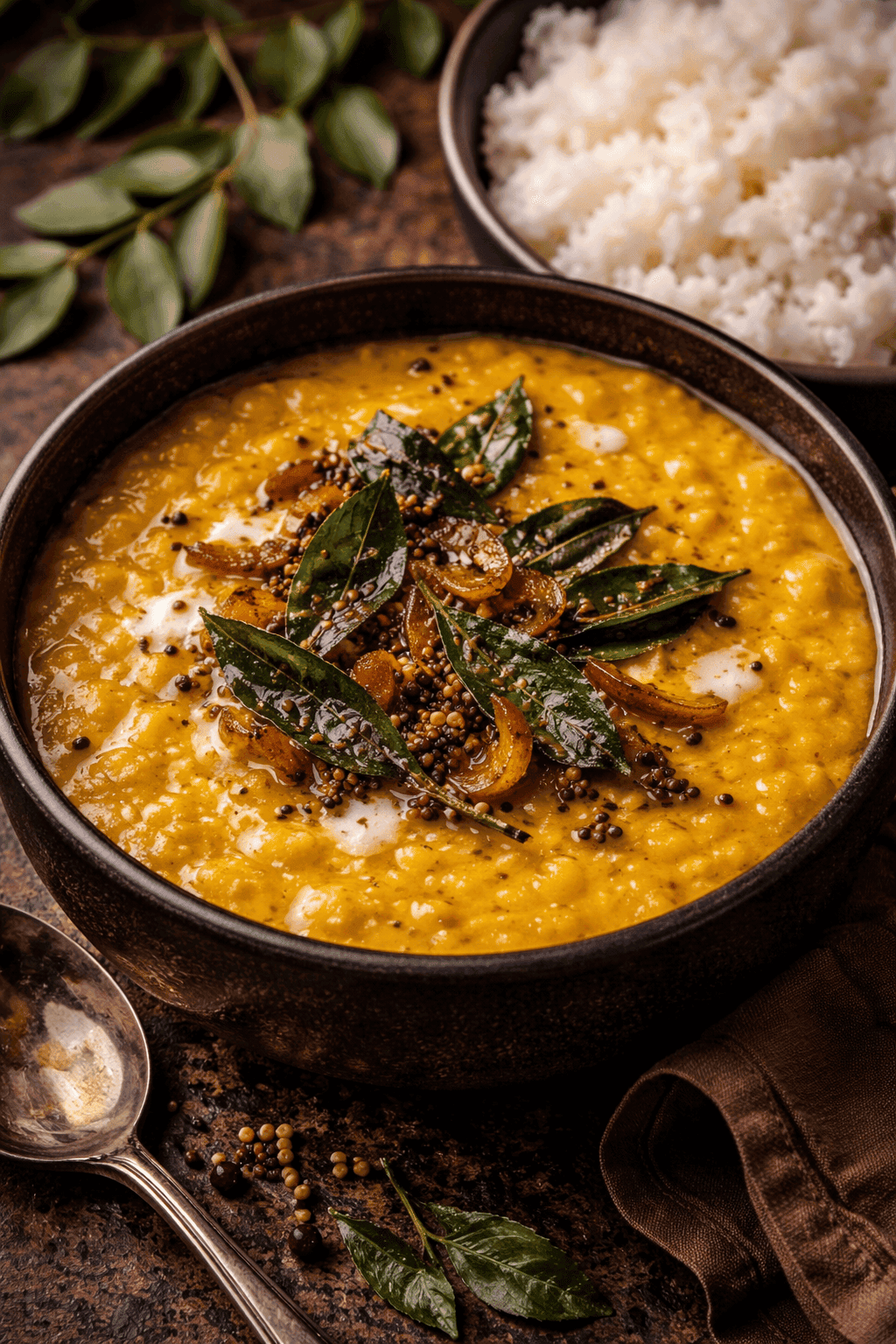
Dahl — The Original Caribbean Comfort Food — Split lentil dahl, cooked with turmeric, cumin, and tempered with mustard seeds and curry leaves, is one of the most nutritious, affordable, and deeply satisfying dishes in the world. In Trinidad, dahl has been a daily staple for generations. In 2026, it's trending everywhere else.
How to Bridge Indian and Caribbean Flavors in Your Kitchen
1. Caribbean Dahl with Dominican Sofrito — Make a classic split yellow lentil dahl, but instead of tempering it purely in the Indian style, build your flavor base with a Dominican sofrito first — sauté onion, garlic, bell pepper, cilantro, and tomato paste, then add your lentils, turmeric, and cumin. The result is a dish that bridges both traditions beautifully, with a depth of flavor that neither tradition alone achieves. Serve over white rice or with tostones.
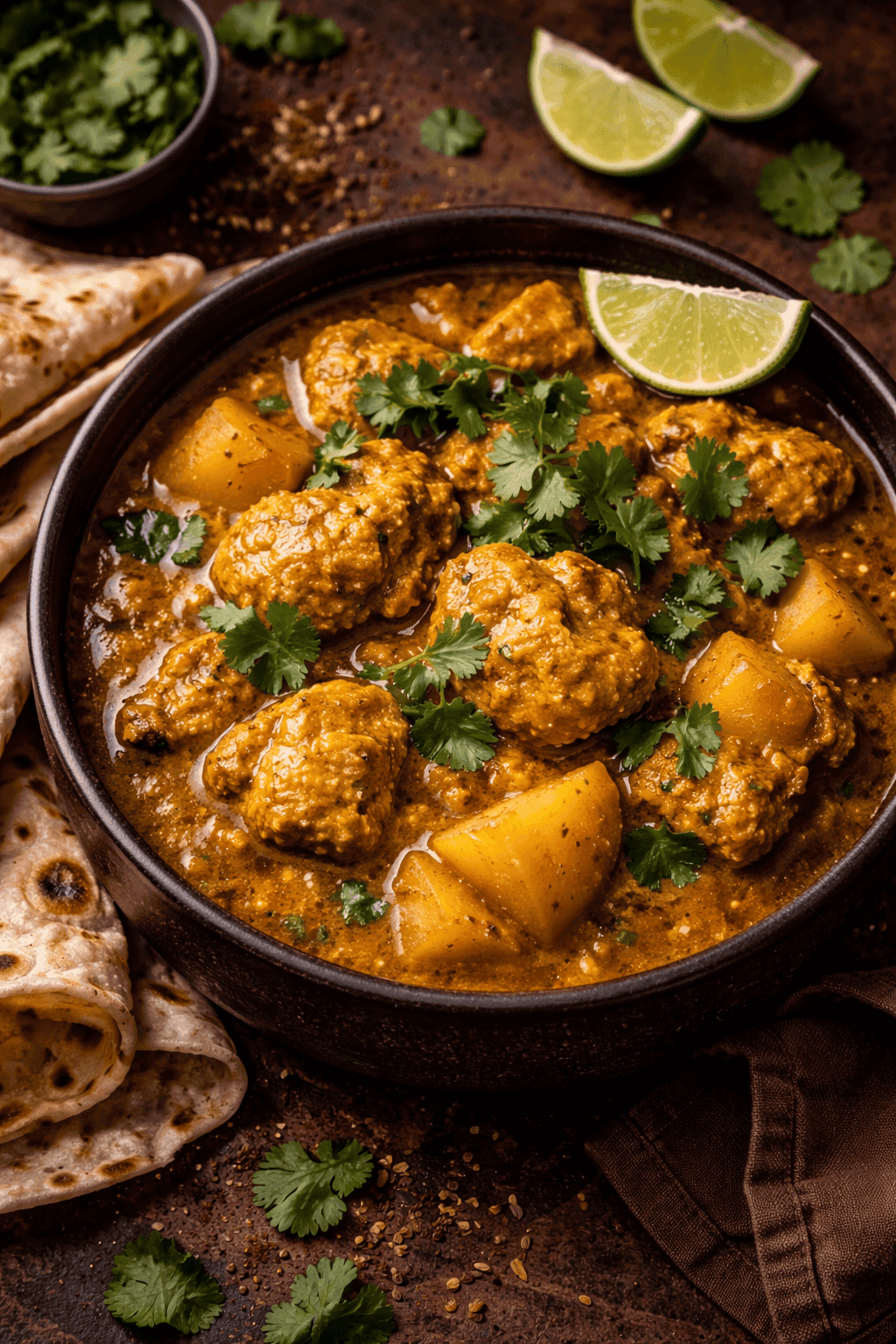
2. Caribbean Curry Chicken — Trinidadian Style — Trinidad's curry chicken is one of the great dishes of Caribbean cooking. Made with Trinidadian curry powder — a blend that differs from Indian curry powder in its heavy use of cumin and turmeric — and cooked low and slow with potatoes, this dish is a direct descendant of Indian cooking filtered through a century of Caribbean evolution. Serve with paratha roti for the full experience.
3. Goan-Inspired Vinegar Pork — Take the Goan vindaloo concept — vinegar-marinated, spiced, slow-cooked pork — and apply it to Dominican pernil. Marinate pork shoulder in a paste of apple cider vinegar, garlic, cumin, coriander, smoked paprika, and chili. This Dominican pork recipe is your perfect starting point — add the Goan spice profile and discover something extraordinary.
4. Coconut Curry Seafood — Caribbean Style — Build a Keralan-inspired coconut curry sauce — coconut milk, curry leaves, mustard seeds, green chili, and ginger — and use it as the base for Caribbean seafood: shrimp, snapper, or conch. This Caribbean shrimp recipe gives you the perfect foundation to build a coconut curry that bridges both traditions seamlessly.
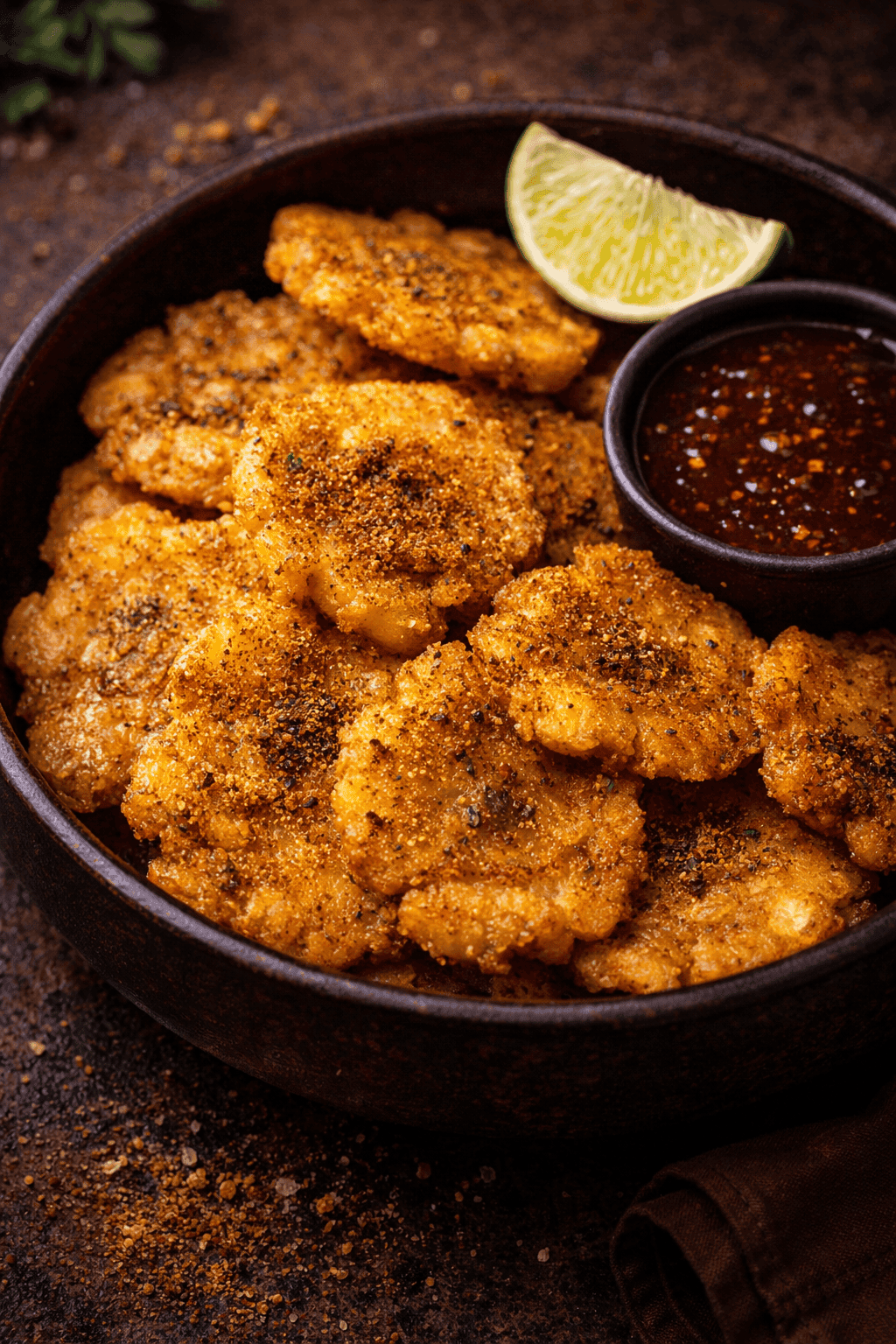
5. Chaat-Spiced Tostones — After frying your tostones, dust them with chaat masala — a tangy, spicy Indian spice blend containing dried mango powder, cumin, coriander, and chili. The result is a fusion snack that is simultaneously completely Caribbean and completely Indian, proof that these two culinary traditions were always more similar than different.
Why This Trend Matters for Caribbean Food Storytelling
The regional Indian cuisine trend is an opportunity for Caribbean food creators to tell a story that most mainstream food media hasn't told — the story of how Indian cooking came to the Caribbean, transformed it, and created entirely new hybrid cuisines that are now influencing global food culture from the other direction.
This is a content angle with real depth, real cultural meaning, and real search potential. People discovering Trinidadian food through the Indian cuisine trend, people discovering Indian food through Caribbean cooking — these are audiences who are actively looking for exactly the kind of bridge content that Kelvin's Kitchen is positioned to create.
Final Thoughts
Regional Indian cuisine's moment in 2026 is an invitation for Caribbean food creators to connect the dots between two extraordinarily rich culinary traditions that have been influencing each other for over a century. From dahl to curry chicken to Goan-inspired vinegar pork to chaat-spiced tostones, the bridges between Indian and Caribbean cooking are everywhere once you know where to look.
Try one of the fusion recipes above, share your results in the comments, and subscribe to Kelvin's Kitchen on YouTube where we explore Caribbean cooking in all its global complexity every single week.
You May Also Like
- Vinegar Is the Secret Ingredient You're Sleeping On — And Caribbean Cooking Has Always Known It
- Fibermaxxing — The Gut Health Trend Taking Over TikTok and What Caribbean Food Gets Right
- Creamy and Velvety Textures Are In — Dominican Comfort Food Does It Best

Leave a Reply