
Of all the ingredients making a comeback in 2026, none is more surprising — or more deserved — than vinegar. Not balsamic drizzled on a caprese salad. Not apple cider vinegar shots. Real culinary vinegar, used boldly and creatively in cooking to add brightness, depth, acidity, and complexity that no other ingredient can replicate.
Whole Foods named "Very Vinegar" one of their top food trends for 2026. Yahoo's food trend report called it out specifically as an ingredient that chefs and home cooks are finally taking seriously as a flavor tool rather than just a condiment. Vinegars infused with herbs, fruits, and spices are appearing in high-end grocery stores. Shrubs — drinking vinegars mixed with sparkling water — are trending on cocktail menus. And a new generation of cooks is discovering that a splash of the right vinegar at the right moment can transform a good dish into a great one.
For Caribbean and Dominican cooks, this is deeply familiar territory. Vinegar has been a foundational ingredient in our cooking for as long as anyone can remember. Escabeche. Pikliz. The sour orange-based mojo. The pickled red onions that top a plate of mangú. The acidic brightness that cuts through the richness of fried pork and brings the whole dish into balance. Caribbean cooking has always known what vinegar can do. The rest of the world is just figuring it out.
Why Vinegar Is Having Its Moment in 2026
Several culinary and cultural forces are converging to push vinegar into the spotlight this year.
The fermentation renaissance that has been building for a decade is finally going fully mainstream. As people become more interested in gut health, probiotics, and fermented foods, naturally fermented vinegars — particularly raw apple cider vinegar with the mother, aged balsamic, and unpasteurized wine vinegars — are gaining recognition for both their flavor complexity and their probiotic properties.
The acid awareness movement in professional cooking has also trickled down to home cooks. Chefs have known for years that acid is one of the most underused tools in the home cook's arsenal — that a splash of vinegar or citrus at the end of cooking can wake up a flat dish, balance richness, and create the kind of brightness that makes food taste alive. Books like Salt, Fat, Acid, Heat popularized this idea, and it's now common knowledge in food media circles.
And then there's the health angle. Apple cider vinegar has been a wellness darling for years, but in 2026 the focus is shifting to the full spectrum of culinary vinegars and their genuine potential as flavor-forward, health-supporting ingredients.
The Caribbean Vinegar Tradition
Caribbean cooking has a rich and sophisticated tradition of vinegar use that predates any current trend by centuries. Here are the essential applications:
Escabeche
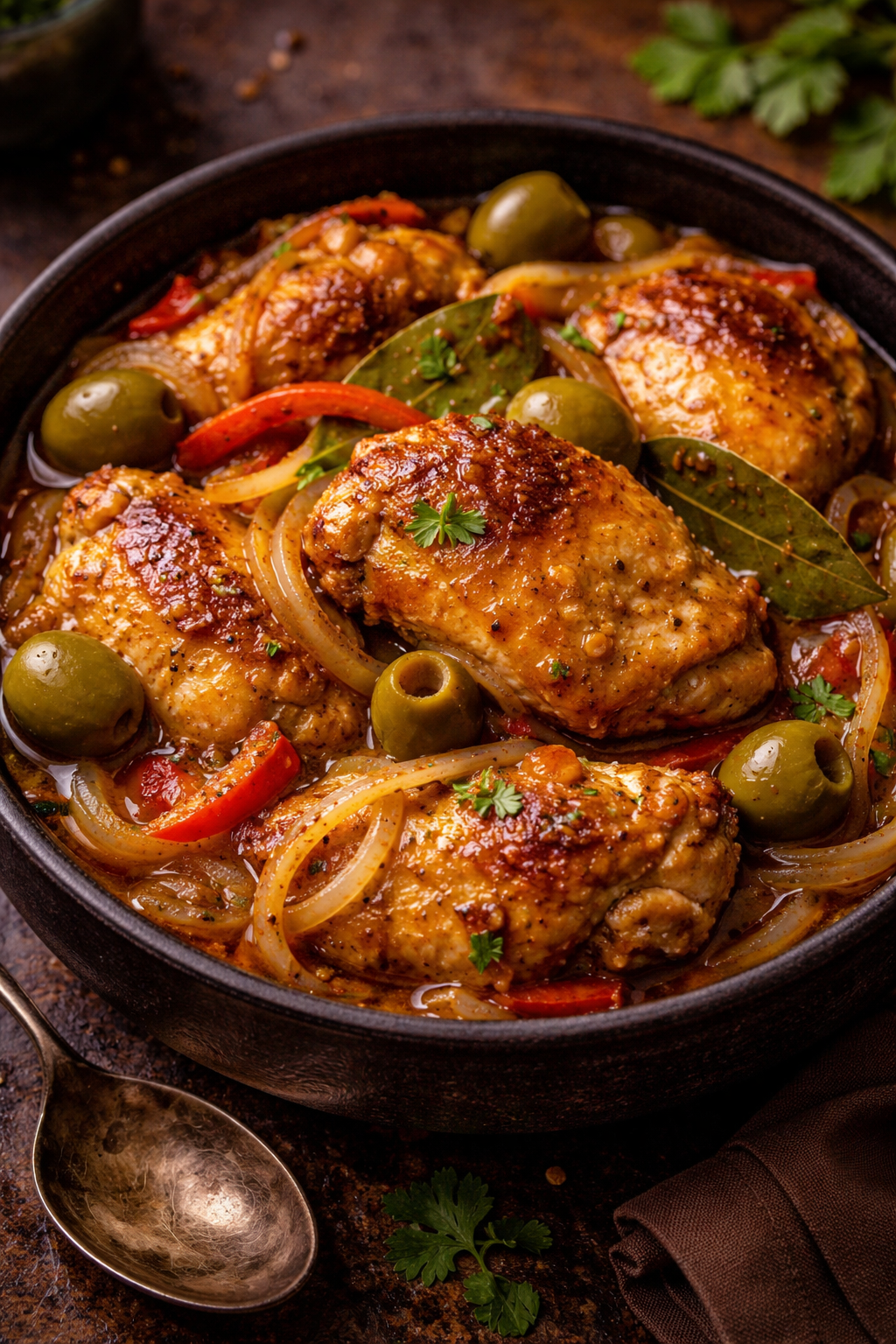
Escabeche is one of the great preparations of Caribbean and Latin American cooking — a pickling technique where cooked fish, chicken, or vegetables are marinated in a vinegar-based sauce with onions, garlic, herbs, and spices. The vinegar both preserves the protein and creates a sauce of extraordinary complexity, simultaneously tangy, savory, sweet, and herbaceous. Dominican escabeche de pollo is a masterclass in vinegar cookery.
Pikliz
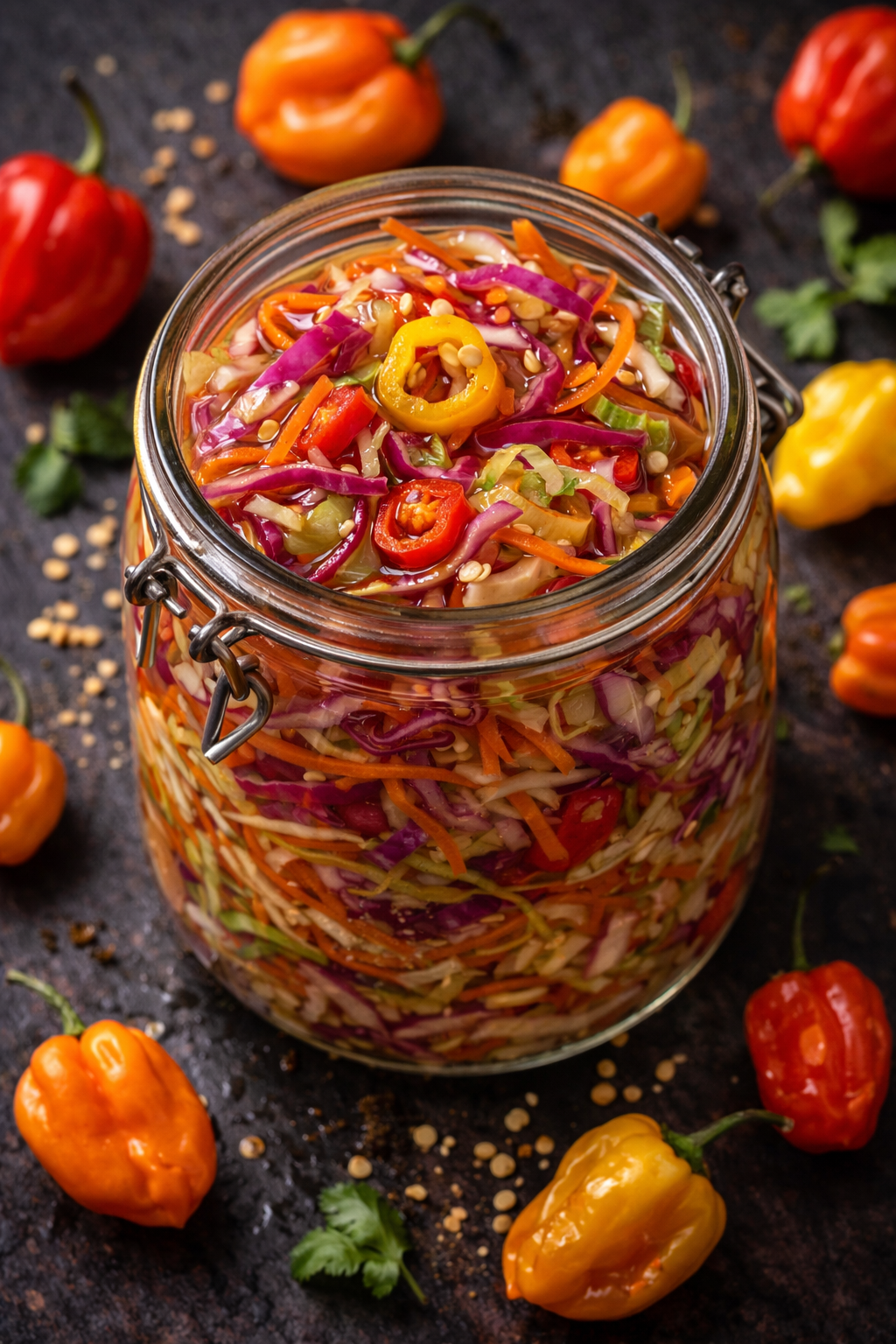
The Haitian condiment pikliz — a fiery pickled cabbage and scotch bonnet relish steeped in white vinegar — is one of the most exciting preparations in all of Caribbean cooking. Crunchy, incendiary, tangy, and deeply aromatic, pikliz is the kind of condiment that, once you've tried it, becomes a permanent fixture in your refrigerator.
Pickled Red Onions
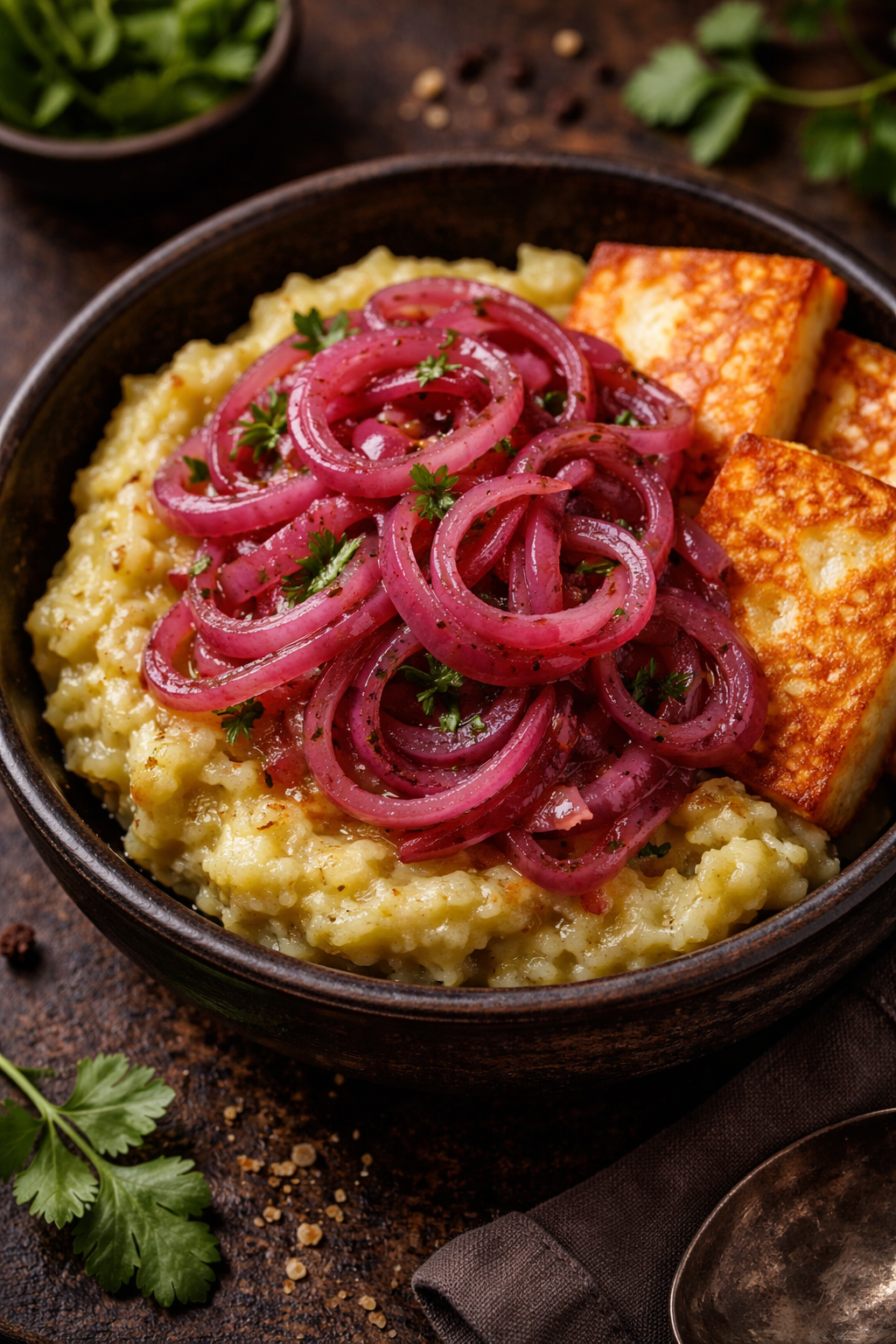
The sautéed and slightly pickled red onions that top Dominican mangú are one of the simplest and most brilliant uses of vinegar in any cuisine. White vinegar transforms raw red onions — sharpening their flavor, softening their texture, and creating a condiment that cuts through the richness of the plantain with laser precision. Get the full recipe and technique in our classic mangú recipe.
Mojo and Sour Orange Marinades
Traditional Dominican and Cuban mojo relies on sour orange — naranja agria — which functions similarly to vinegar in its acidic, flavor-brightening role. Mojo marinades for pork, chicken, and yuca are built entirely around the power of acid to tenderize, season, and add brightness to whatever they touch.
Types of Vinegar and How to Use Each One
Not all vinegars are the same, and using the right one for the right application is the difference between a dish that sings and one that just tastes sour.
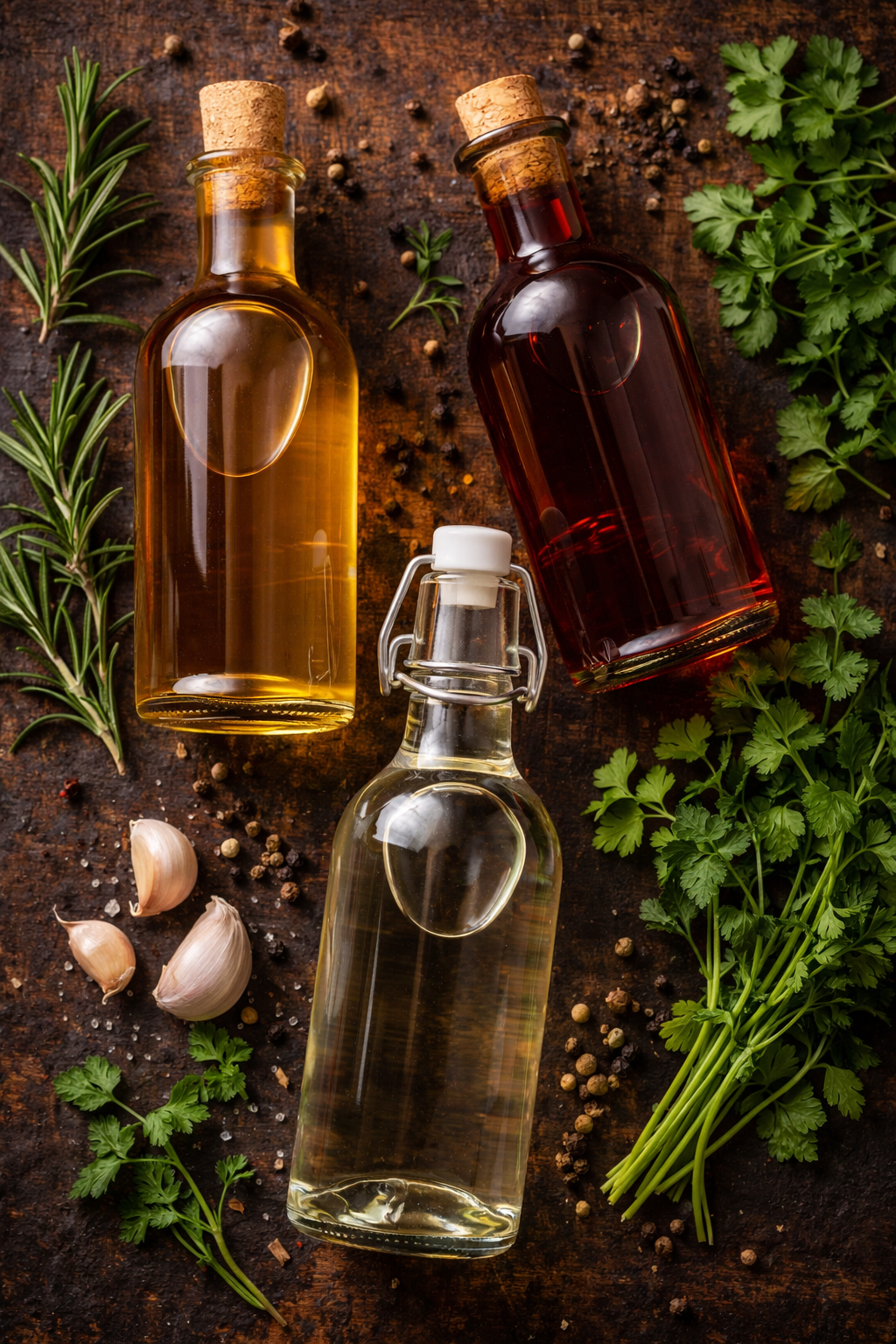
White Distilled Vinegar — The workhorse of Caribbean cooking. Clean, sharp, and inexpensive, white vinegar is perfect for pickling, quick escabeche, pickled onions, and anywhere you want pure acidity without additional flavor notes.
Apple Cider Vinegar — Fruity, slightly sweet, and complex, ACV works beautifully in marinades, vinaigrettes, and anywhere you want acidity with a bit of warmth. It's gentler than white vinegar and pairs particularly well with pork.
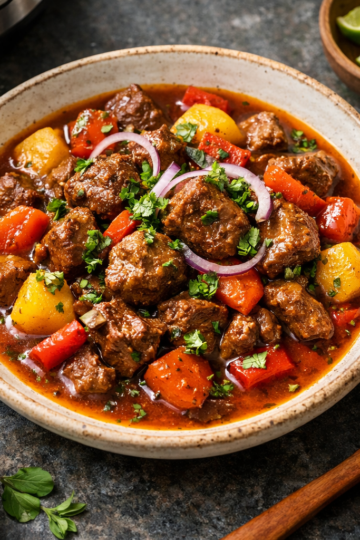
Red Wine Vinegar — Rich, tangy, and deeply flavorful, red wine vinegar is excellent in escabeche, braising liquids, and salad dressings. It adds a sophisticated acidity that works well with beef and lamb.
Rice Wine Vinegar — Mild, slightly sweet, and clean, rice wine vinegar bridges Caribbean and Asian flavors beautifully — it works wonderfully in a Caribbean-Asian fusion sauce alongside gochujang or soy sauce.
Balsamic Vinegar — Aged balsamic is sweet, complex, and thick — less a traditional Caribbean ingredient but an extraordinary finishing vinegar for grilled meats and roasted vegetables.
Caribbean Vinegar Recipes to Try Right Now
1. Dominican Pickled Red Onions for Mangú — Sauté sliced red onions in olive oil with salt until soft, then add a generous splash of white vinegar and cook for another two minutes. The result is the classic topping for mangú — tangy, slightly sweet, deeply savory.
2. Quick Caribbean Escabeche — Sear chicken thighs until golden, then simmer in a sauce of white vinegar, olive oil, garlic, onion, bay leaves, olives, and capers until the chicken is cooked through and the sauce is glossy and balanced. Serve at room temperature — escabeche actually improves as it sits.
3. Pikliz-Inspired Pickled Cabbage — Shred green and red cabbage, add thinly sliced scotch bonnet or habanero, garlic, and carrots. Pack into a jar and cover with white vinegar seasoned with salt, sugar, and a pinch of allspice. Refrigerate for at least twenty-four hours.
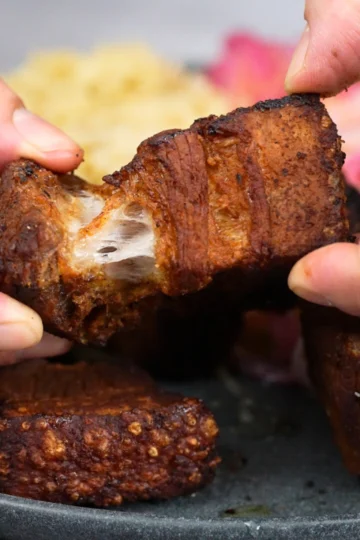
4. Apple Cider Vinegar Pork Marinade — Combine apple cider vinegar, garlic, oregano, cumin, olive oil, and salt for a marinade that tenderizes pork shoulder beautifully over eight to twelve hours. Try it with this Dominican pork recipe as your base — the ACV takes it to the next level.
5. Vinegar-Brightened Sofrito — Add a tablespoon of red wine vinegar to your sofrito in the last minute of cooking before adding your main ingredient. The acid lifts the entire flavor profile of the sofrito, adding brightness and complexity that oil alone cannot achieve.
The Science of Acid in Cooking
Understanding why vinegar works so powerfully in cooking comes down to chemistry. Acid does several things simultaneously: it suppresses bitterness, enhances the perception of other flavors, tenderizes proteins by denaturing their surface structure, and creates the sensation of brightness or lift that distinguishes a vibrant, exciting dish from a flat, dull one.
Professional chefs taste their food constantly and adjust acid as often as they adjust salt. The practice of finishing a dish with a small amount of vinegar or citrus — just enough to make the other flavors pop without tasting sour — is one of the most transformative cooking techniques available, and it costs almost nothing to implement.
Caribbean cooking has intuited this principle for generations. The sourness of naranja agria in mojo, the tang of vinegar in escabeche, the acidic bite of pickled onions on mangú — these are all applications of the same fundamental principle. Acid makes food taste more alive.
Final Thoughts
Vinegar's moment in 2026 is well-deserved, and Caribbean cooking is the perfect place to explore everything this incredible ingredient can do. From the pickled onions on your mangú to a full escabeche preparation to a pikliz-inspired condiment that belongs in every refrigerator, vinegar is one of the most versatile, affordable, and transformative ingredients in the Caribbean kitchen.
Try one of the recipes above, leave a comment telling us your favorite way to use vinegar in cooking, and subscribe to Kelvin's Kitchen on YouTube for more Caribbean flavor education every single week.
Leave a Reply