
If you've spent any time on TikTok or Instagram in 2026, you've probably encountered the word fibermaxxing. It's everywhere — in wellness content, nutrition videos, grocery haul posts, and recipe roundups. The concept is simple but the cultural moment behind it is significant: people are deliberately maximizing their fiber intake, and they're doing it not just for digestive health but for weight management, gut microbiome support, blood sugar regulation, and long-term disease prevention.
Good Housekeeping called fibermaxxing one of the top nutrition trends of 2026. Registered dietitians are endorsing it. Grocery stores are stocking more high-fiber products than ever before. And TikTok's algorithm has turbocharged the message to millions of home cooks who are now actively looking for delicious, fiber-rich recipes.
Here's what those TikTok videos rarely mention: Caribbean and Dominican cooking has been fibermaxxing for generations without ever knowing it had a name. Beans. Plantains. Yuca. Root vegetables. Whole grains. The Dominican plate — rice, beans, meat, and a side of vegetables — is a nutritionist's fiber checklist in edible form. This trend isn't new to us. It just finally has a hashtag.
What Is Fibermaxxing and Why Does It Matter?
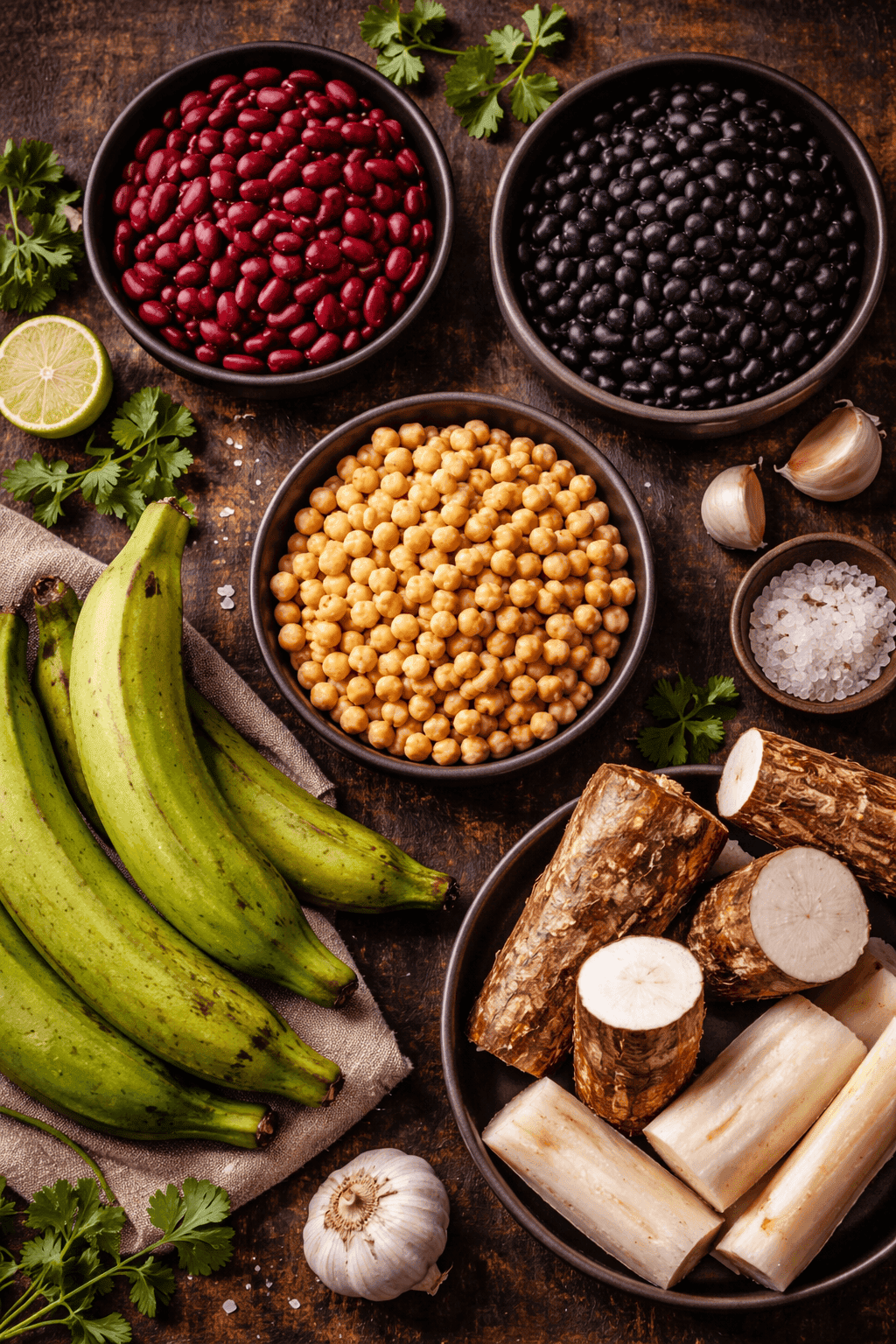
Fibermaxxing is the practice of intentionally eating as much dietary fiber as possible through whole, minimally processed foods. The term comes from internet culture's tendency to add "maxxing" to any optimization goal — you've seen looksmaxxing, sleepmaxxing, and now fibermaxxing.
But behind the social media packaging is genuinely important nutritional science. Most Americans consume between ten and fifteen grams of dietary fiber per day. The recommended daily intake is twenty-five to thirty-eight grams, depending on age and sex. The gap between what people actually eat and what their bodies need is enormous, and the health consequences of that gap are well-documented.
Dietary fiber does several critical things in the body. Soluble fiber — found in beans, oats, and certain fruits — dissolves in water and forms a gel-like substance that slows digestion, stabilizes blood sugar, and lowers LDL cholesterol. Insoluble fiber — found in whole grains, vegetables, and the skins of many fruits — adds bulk to stool, promotes regularity, and reduces the risk of colorectal cancer. And fermentable fiber feeds the beneficial bacteria in your gut microbiome, supporting immune function, mental health, and metabolic regulation in ways that scientists are only beginning to fully understand.
The beauty of fibermaxxing as a trend is that it doesn't require supplements, superfoods, or expensive specialty products. The most fiber-rich foods on earth are also some of the most affordable and most delicious — beans, lentils, vegetables, fruits, and whole grains.
Caribbean Cooking Is Already Fibermaxxing
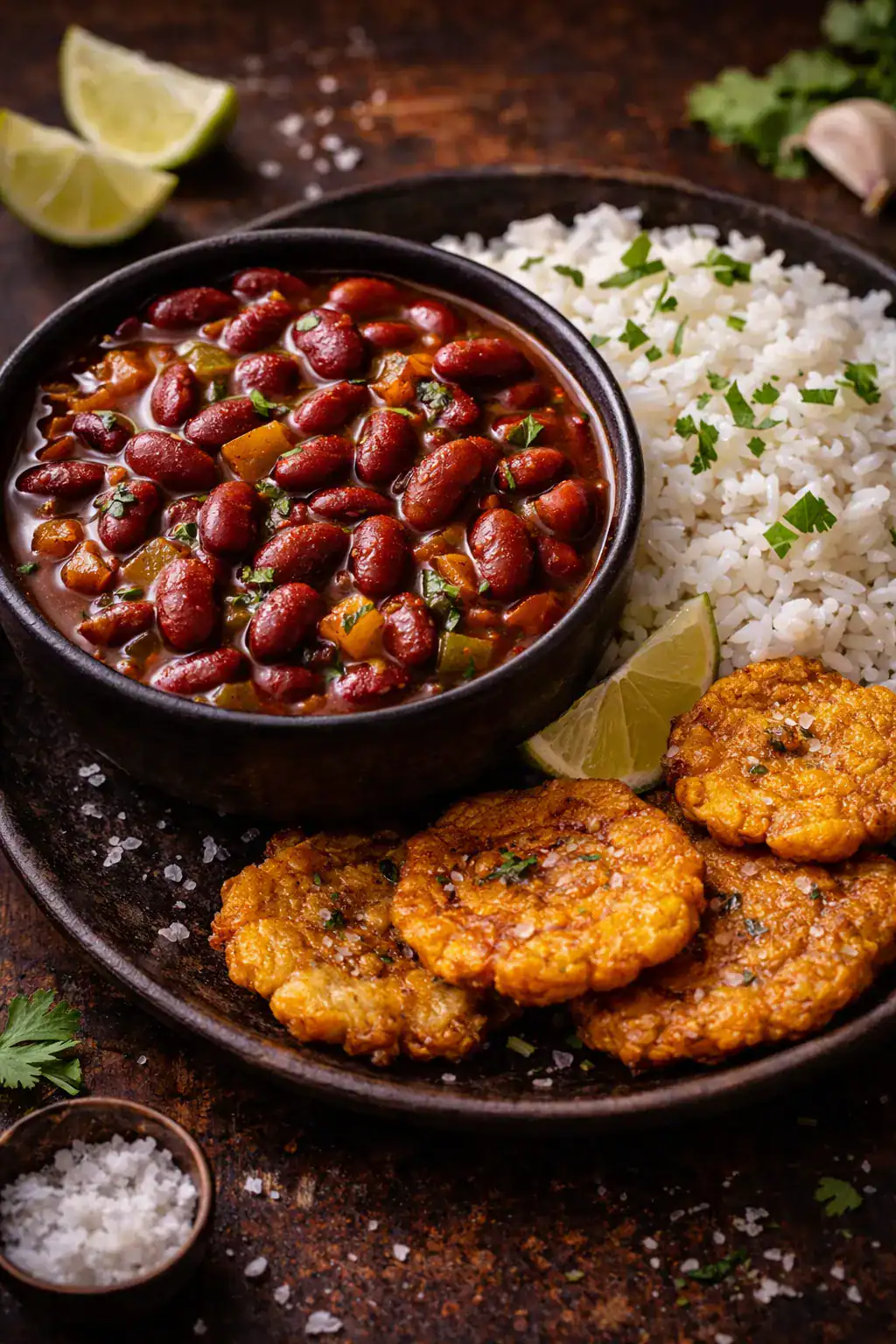
Let's look at the numbers. A serving of Dominican habichuelas guisadas made with red kidney beans contains approximately fifteen grams of fiber. A serving of moro de habichuelas negras — black bean rice — adds another eight to ten grams. Tostones made from green plantains contribute three to four grams. A side of yuca adds another four grams. A typical Dominican plate easily delivers twenty-five or more grams of fiber in a single meal.
That's not an accident. Dominican and Caribbean cooking evolved in conditions where whole, plant-forward foods were the foundation of every meal. Beans were not a side dish — they were the primary source of protein and calories for most of the population for most of history. Root vegetables like yuca, ñame, and batata provided energy and nutrients that sustained communities through centuries of hardship and celebration alike.
What 2026's fibermaxxing trend is rediscovering is that these traditional ways of eating — which mainstream Western nutrition spent decades dismissing as peasant food — were actually extraordinarily sophisticated from a nutritional standpoint. Caribbean grandmothers were fibermaxxing long before the word existed.
The Highest-Fiber Caribbean Ingredients and How to Use Them
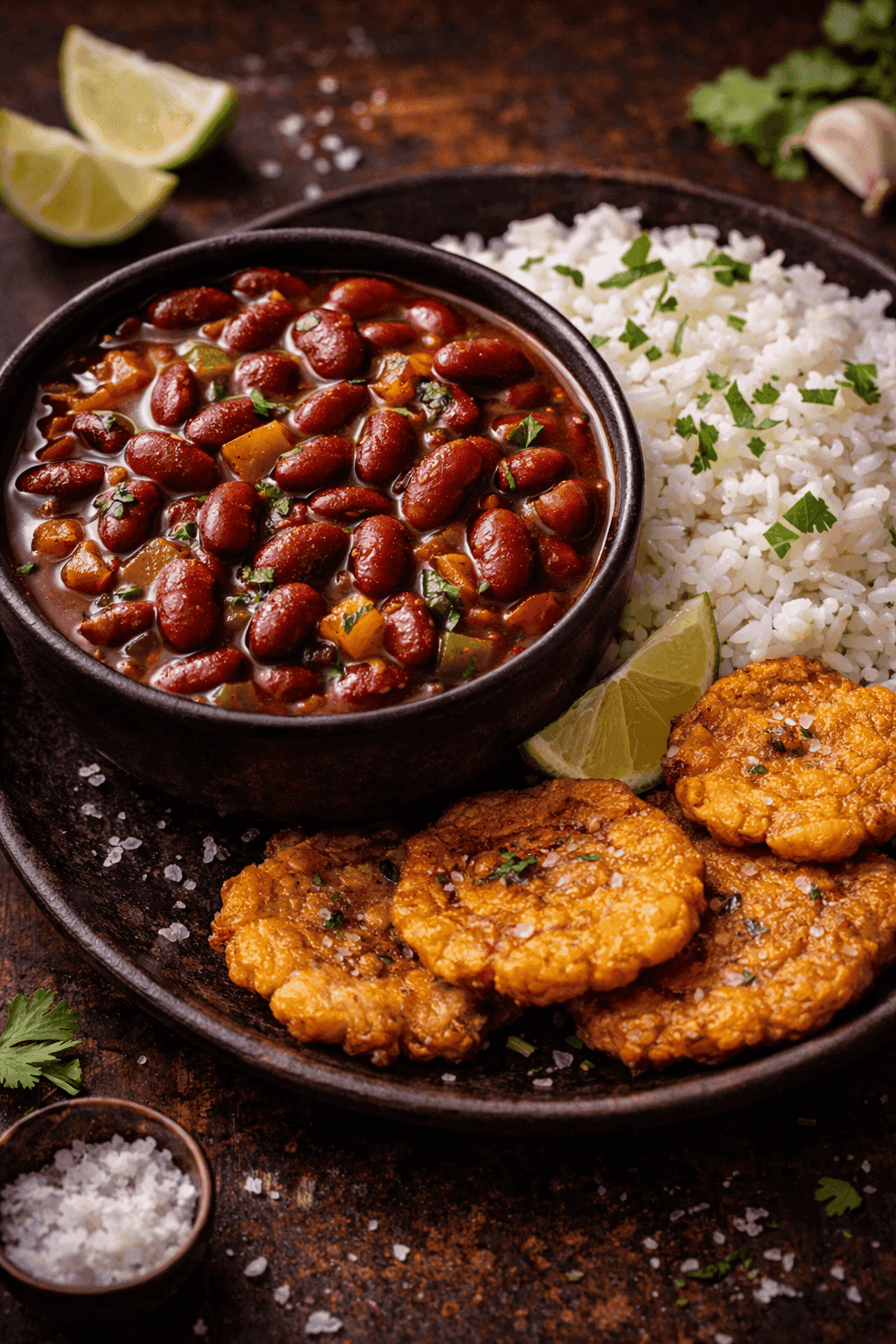
Red Kidney Beans — 15g Fiber Per Cup
The backbone of Dominican habichuelas guisadas. Slow-cooked in sofrito with tomato paste and herbs, these beans are among the most nutritious and delicious foods you can put on a plate. Try our classic bean recipe and taste why beans have been the centerpiece of Dominican cooking for generations.
Black Beans — 15g Fiber Per Cup
The star of Dominican moro de habichuelas negras. Black beans are slightly earthier and sweeter than kidney beans, with an inky color that makes any dish visually striking. Make this Dominican black beans and rice recipe and see why black beans and rice is one of the most satisfying one-pot meals in Caribbean cooking.
Green Plantains — 3-4g Fiber Per Serving
Unripe plantains are significantly higher in fiber and resistant starch than ripe ones — resistant starch acts as a prebiotic, feeding beneficial gut bacteria. Tostones, mangú, and boiled green plantain all deliver meaningful fiber alongside extraordinary flavor.
Yuca (Cassava) — 4g Fiber Per Cup
Yuca is a staple root vegetable across the Caribbean that is naturally high in fiber and resistant starch. It's one of the simplest and most satisfying ways to eat more fiber without even trying.
Auyama (Caribbean Pumpkin) — 3g Fiber Per Cup
Auyama is rich in both fiber and beta-carotene, making it one of the most nutritionally complete vegetables in the Caribbean pantry. Roasted, puréed into soup, or added to stews, it contributes significant fiber and an extraordinary depth of flavor.
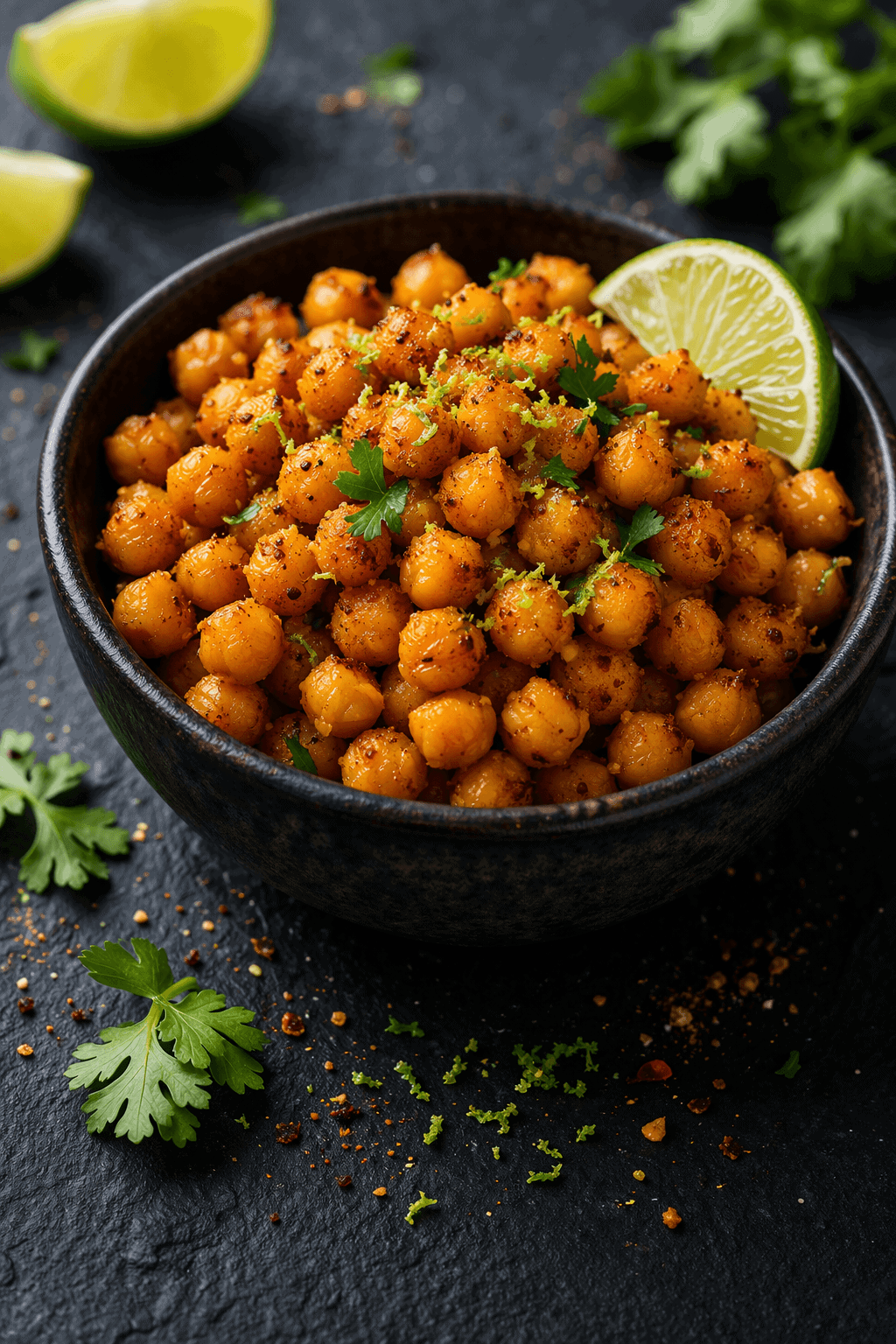
Chickpeas — 12g Fiber Per Cup
While not traditionally Caribbean, chickpeas integrate beautifully into the flavor profile of Dominican cooking and deliver exceptional fiber content. Roasted with chili-lime seasoning, added to soups, or folded into stews, they're an easy fiber upgrade for any meal.
A Full Day of Fibermaxxing the Caribbean Way
Here's what a full day of high-fiber eating looks like through the lens of Caribbean cooking:
Breakfast: Mangú with sautéed red onions. Green plantains are rich in resistant starch, and the slow-cooked onions add prebiotic fiber. Start your day with twelve to fifteen grams of fiber before 9 AM.
Lunch: Habichuelas guisadas over white rice with a side of tostones. The beans alone deliver fifteen grams of fiber. Add the plantains for another three to four. You're at eighteen to nineteen grams by midday.
Snack: Roasted chili-lime chickpeas. A half cup delivers six grams of fiber in a snack that's more addictive than any chip.
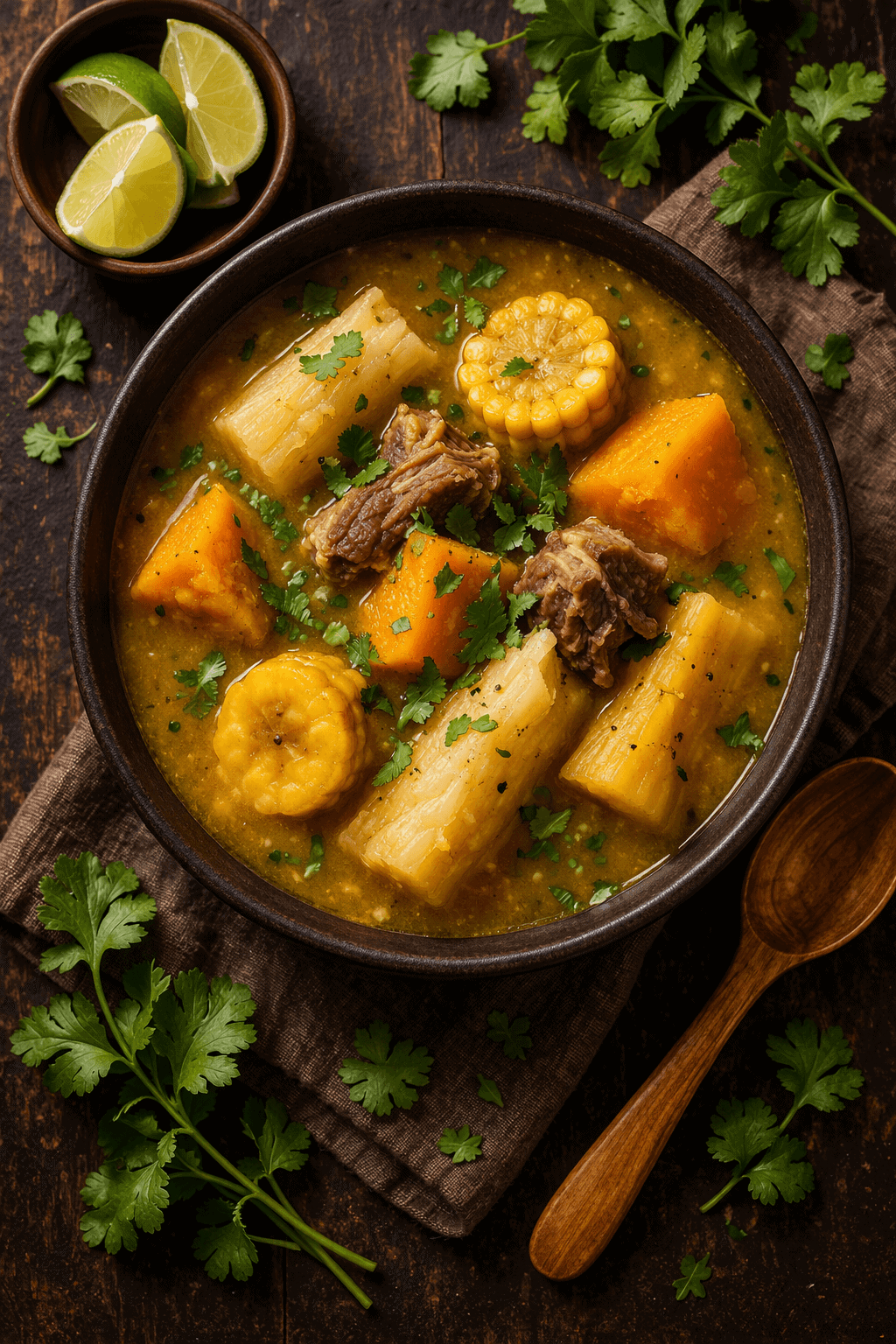
Dinner: Sancocho with yuca, ñame, and auyama. The root vegetables and pumpkin in a single bowl of sancocho can easily contribute eight to ten grams of fiber.
Total: 35-40 grams of fiber — well above the daily recommended intake, achieved entirely through delicious Caribbean food without a single supplement.
Why This Trend Is a Massive Opportunity for Caribbean Food Content
The fibermaxxing trend is creating massive search volume for high-fiber recipes, and most of the content being published is generic — bean salads, overnight oats, smoothies with added psyllium husk. There is a huge gap in the market for culturally rooted, genuinely delicious high-fiber content that shows people how to eat more fiber through food they actually want to eat every day.
Caribbean cooking fills that gap perfectly. And Kelvin's Kitchen is uniquely positioned to own that corner of the internet — authentic recipes, cultural depth, and a nutritional profile that aligns perfectly with one of 2026's biggest wellness trends.
Final Thoughts
Fibermaxxing is having its moment in 2026, and Caribbean cooking deserves to be front and center in that conversation. From habichuelas guisadas to mangú to sancocho packed with root vegetables, the Dominican kitchen has been delivering extraordinary fiber content in extraordinarily delicious packages for centuries. Now it's time to claim that story.
Try one of the high-fiber Caribbean recipes linked above, share your fiber wins in the comments, and subscribe to Kelvin's Kitchen on YouTube for more nutritious, flavor-forward Caribbean cooking every week.
You May Also Like
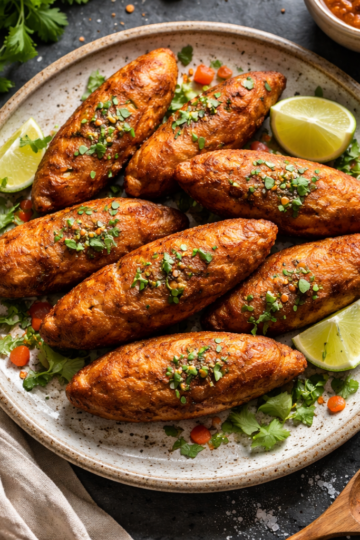
- Dominican-quipes-recipe
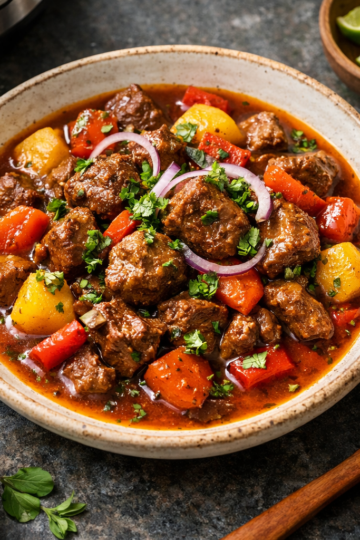
- Hígado Guisado (Dominican Liver Stew) — The Real Way
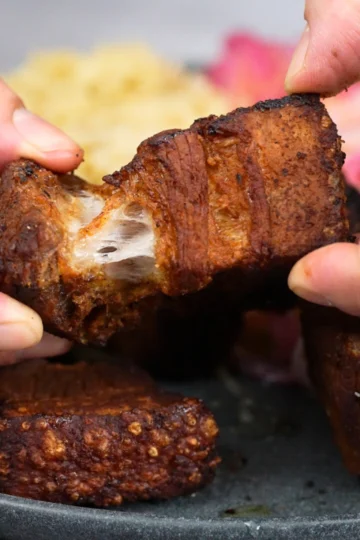
- Extra Crispy Dominican Style Pork Cracklings Recipe (Chicharrones)
Leave a Reply