
There's a reason the most comforting foods in every culture share one thing in common — they're creamy, velvety, and soul-warming. In 2026, this isn't just a preference; it's a full-blown food trend. From social media feeds filled with silky soups and whipped textures to restaurant menus leaning hard into luscious, spoonable dishes, the culinary world has declared that creamy is king. And nobody — absolutely nobody — does creamy comfort food better than Dominican and Caribbean kitchens.
This isn't about heavy cream and butter in the French tradition, though those have their place. Caribbean creaminess comes from a different philosophy entirely — one built on starchy root vegetables, slow-simmered legumes, ripe plantains, and coconut milk. These ingredients create textures that are naturally rich, deeply satisfying, and remarkably nourishing. The result is food that wraps around you like a warm blanket without the heaviness that leaves you sluggish afterward. It's comfort food engineered by centuries of cultural wisdom, and the world is finally paying attention.
Why Creamy Textures Are Dominating 2026
The shift toward creamy, velvety textures in 2026 reflects a broader cultural craving for comfort and nourishment in uncertain times. Food trend analysts point to several converging factors: the continued influence of ASMR-style food content that emphasizes smooth, satisfying textures; a growing backlash against overly complicated, deconstructed dishes in favor of straightforward comfort; and an increasing awareness that traditional cuisines around the world have always prioritized texture as much as flavor.
Social media has played an enormous role. Videos of silky-smooth soups being ladled into bowls, creamy mashed plantains being whipped to perfection, and thick stews with their glossy, spoonable consistency generate millions of views precisely because they tap into something primal. We don't just want to eat these foods — we want to watch them, to experience their texture vicariously before we even pick up a spoon. The visual appeal of creamy food is unmatched, and platforms like TikTok and Instagram have turned that appeal into a global movement.
But beyond aesthetics, there's a wellness dimension driving this trend. Consumers are increasingly drawn to foods that feel indulgent but are actually nutritious. Caribbean creamy comfort foods fit this description perfectly — they derive their richness from whole-food sources like root vegetables, beans, and coconut rather than from processed dairy or artificial thickeners. This makes them naturally gluten-free, often vegan-friendly, and packed with fiber, vitamins, and minerals that their cream-based counterparts can't match.
Dominican Comfort Food — The Original Creamy Cuisine
Dominican cooking has always understood that the secret to truly satisfying food lies in texture. Long before "mouthfeel" became a trendy culinary term, Dominican grandmothers were perfecting the art of transforming humble ingredients into dishes so creamy and luxurious that they rival anything from a fine-dining kitchen. The difference is that Dominican comfort food achieves this luxury through technique and tradition rather than expensive ingredients.
The foundation of Dominican creamy cooking is the island's incredible variety of starchy roots and tubers — yuca, yautía, ñame, auyama, and green plantains. Each brings a unique texture when cooked and mashed or blended. Yuca produces a stretchy, almost elastic smoothness. Yautía creates a silky, potato-like creaminess with a subtle nuttiness. Auyama (Caribbean pumpkin) yields a naturally sweet, velvety purée that needs nothing more than a pinch of salt to taste extraordinary. These ingredients are affordable, widely available, and have been sustaining Dominican families for generations.
What makes Dominican comfort food particularly relevant to the 2026 texture trend is its inherent accessibility. You don't need specialized equipment, rare ingredients, or advanced technique. You need a good pot, fresh produce, patience, and the willingness to let simple ingredients reveal their full potential through slow, careful cooking. That democratic approach to creating luxurious textures is exactly what modern food culture is craving.
The Creamiest Dominican Dishes You Need to Know
Mangú — The Crown Jewel of Creamy Dominican Breakfast
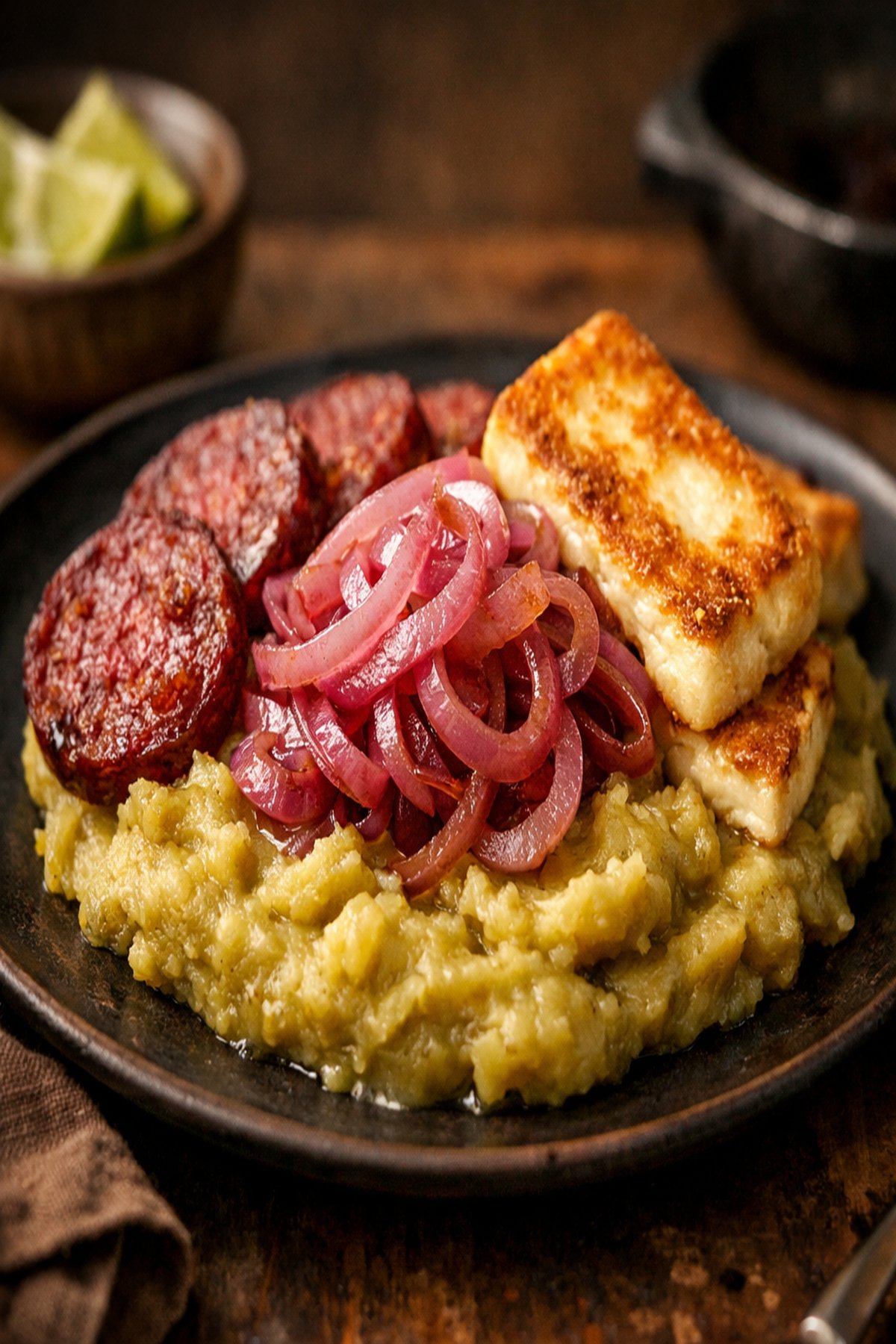
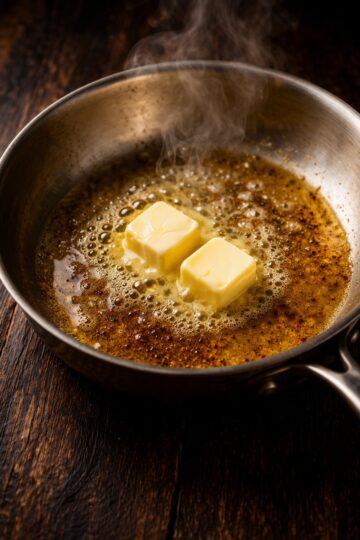
If there's one dish that perfectly embodies the Dominican approach to creamy comfort, it's mangú. Made from boiled green plantains mashed with butter and a splash of the starchy cooking water, mangú achieves a texture that's simultaneously smooth and substantial — creamier than mashed potatoes but with more character and depth. The key is in the mashing technique: the plantains must be worked while still hot, and the cooking liquid is added gradually until the mixture reaches that perfect, cloud-like consistency.
Traditionally served as part of los tres golpes — the "three hits" of mangú, fried salami, fried cheese, and eggs topped with sautéed red onions — this dish is the foundation of Dominican breakfast culture. The contrast between the silky mangú and the crispy, salty accompaniments creates a textural symphony that's impossible to forget once you've experienced it. For the full experience, try our classic mangú recipe and discover why Dominicans consider this the greatest breakfast on earth.
Sancocho — The Seven-Meat Stew of Dreams
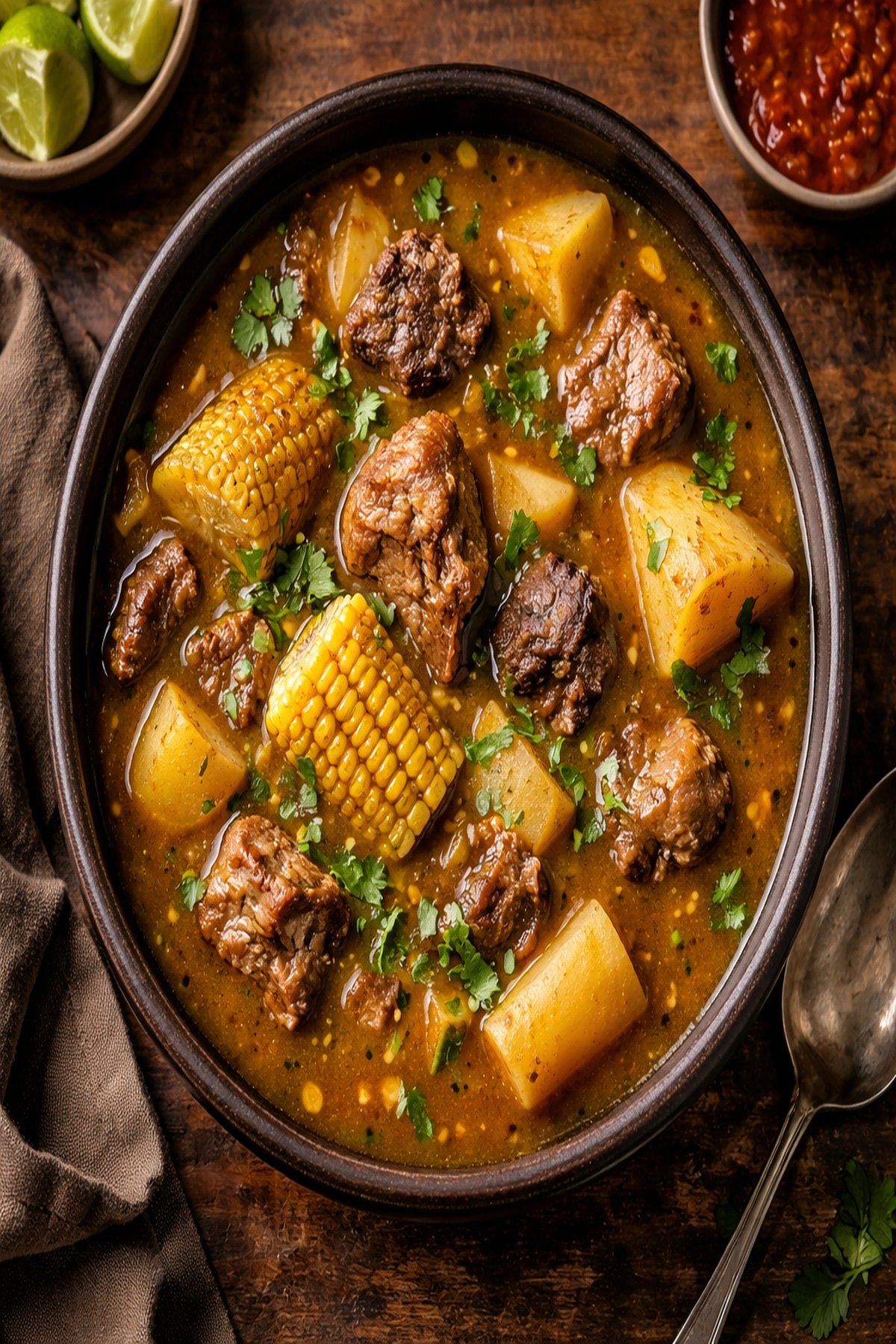
Sancocho is the Dominican stew that brings families together, the dish that simmers for hours on weekend afternoons, filling the entire house with its rich, comforting aroma. What makes sancocho uniquely creamy isn't any added thickener — it's the combination of root vegetables (yuca, yautía, ñame, and green plantains) that slowly break down during the long cooking process, releasing their starches into the broth and creating a naturally thick, velvety consistency that coats the back of a spoon.
The traditional Dominican sancocho uses up to seven different meats — chicken, pork, goat, beef, longaniza sausage, and various cuts — each contributing its own flavor to the broth. Combined with ears of corn, calabaza, and generous amounts of cilantro and oregano, the result is a stew so rich and complex that every spoonful reveals new flavors and textures. It's the kind of dish that makes you understand why Dominican families consider cooking an act of love. For a slow cooker adaptation of this beloved tradition, try this Dominican-style stew recipe that captures sancocho's soul.
Habichuelas Guisadas — Stewed Beans with Velvet Sauce
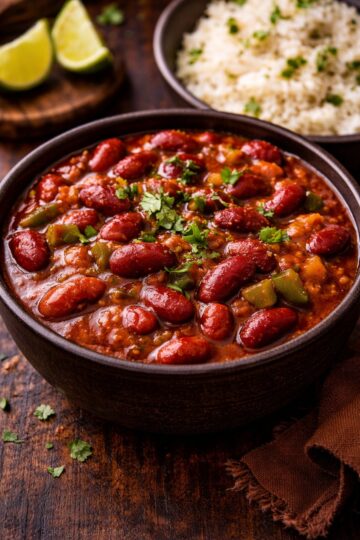
Dominican stewed beans achieve their signature creaminess through a method that's both simple and ingenious. A portion of the cooked beans is mashed or blended and stirred back into the pot, creating a thick, gravy-like sauce that clings to every grain of rice it's served over. The sofrito base — onions, garlic, peppers, cilantro, and tomato paste — provides depth, while sazón and adobo contribute warmth and color. The result is a bean stew with a texture so smooth and satisfying that it elevates a simple plate of rice and beans into something genuinely luxurious.
The beauty of habichuelas guisadas lies in its adaptability. Red beans, pink beans, black beans, or pinto beans all work beautifully, each bringing slightly different texture and flavor characteristics. Some cooks add a diced potato that dissolves into the sauce, further enriching the creaminess. Others stir in a splash of coconut milk for an even more luscious finish. However you make them, Dominican stewed beans represent comfort food at its most elemental — simple ingredients transformed into something extraordinary through patience and technique. Explore our habichuelas recipe for a taste of authentic Dominican bean cooking.
The Technique Behind the Texture
Understanding how Dominican cooks achieve their signature creamy textures reveals techniques that any home cook can master. The principles are universal, and once you grasp them, you'll be able to bring that same velvety quality to dishes from any cuisine. The secret isn't a single trick — it's a combination of ingredient selection, cooking method, and finishing technique that work together to create textures that feel indulgent but come from entirely wholesome sources.
The first principle is starch management. Root vegetables like yuca, yautía, and green plantains contain different types of starch that behave differently when cooked. Yuca's starch creates a stretchy, glutinous texture. Yautía's starch produces a smoother, more potato-like consistency. Green plantain starch yields a dense, creamy result that holds together beautifully. Dominican cooks intuitively combine these starches in dishes like sancocho and asopao to create layered textural complexity that no single ingredient could achieve alone.
The second principle is the power of the slow simmer. Almost every creamy Dominican dish benefits from unhurried cooking. When beans simmer for two hours instead of one, their skins break down and their starches fully release, creating that naturally thick sauce. When root vegetables cook slowly in a stew, they gradually dissolve at their edges, thickening the broth without any need for flour or cornstarch. This patience-driven approach to achieving creaminess is both healthier and more flavorful than quick-thickening shortcuts.
Essential Tools for Creamy Dominican Cooking
You don't need a professional kitchen to make creamy Dominican comfort food, but a few key tools make the process significantly easier. A sturdy wooden tostonera (plantain press) or a heavy-bottomed mortar and pestle for mashing mangú gives you the control to achieve the perfect texture. A large, heavy stockpot with a tight-fitting lid is essential for sancocho and long-simmered stews. An immersion blender is perhaps the most valuable modern addition — it allows you to partially blend soups and bean stews directly in the pot, controlling exactly how smooth or chunky the final texture will be.
More Creamy Caribbean Recipes to Explore
Beyond the Dominican classics, the broader Caribbean offers a treasure trove of creamy, comforting dishes that deserve a place in your cooking rotation. Each island and culture has developed its own approaches to achieving those satisfying, velvety textures using local ingredients and time-honored techniques.
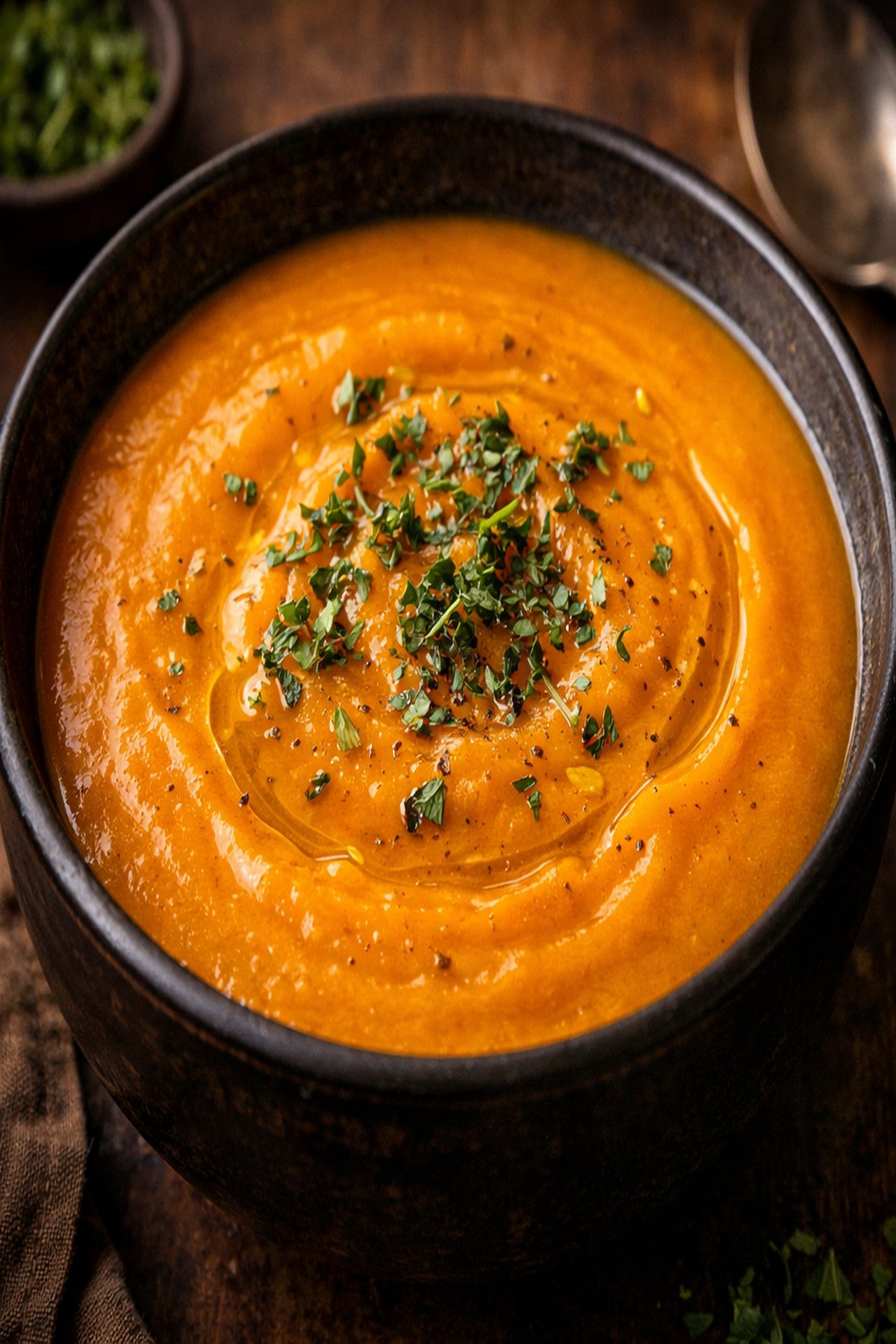
Crema de Auyama (Dominican Pumpkin Soup) — Caribbean pumpkin is blended into a silky soup that's naturally dairy-free yet tastes impossibly rich. The auyama's natural sweetness pairs beautifully with warming spices like nutmeg and cinnamon, and a swirl of coconut cream on top makes it visually stunning. This is the soup that converts people who think they don't like pumpkin — the texture is so smooth and the flavor so balanced that it feels like eating liquid velvet.
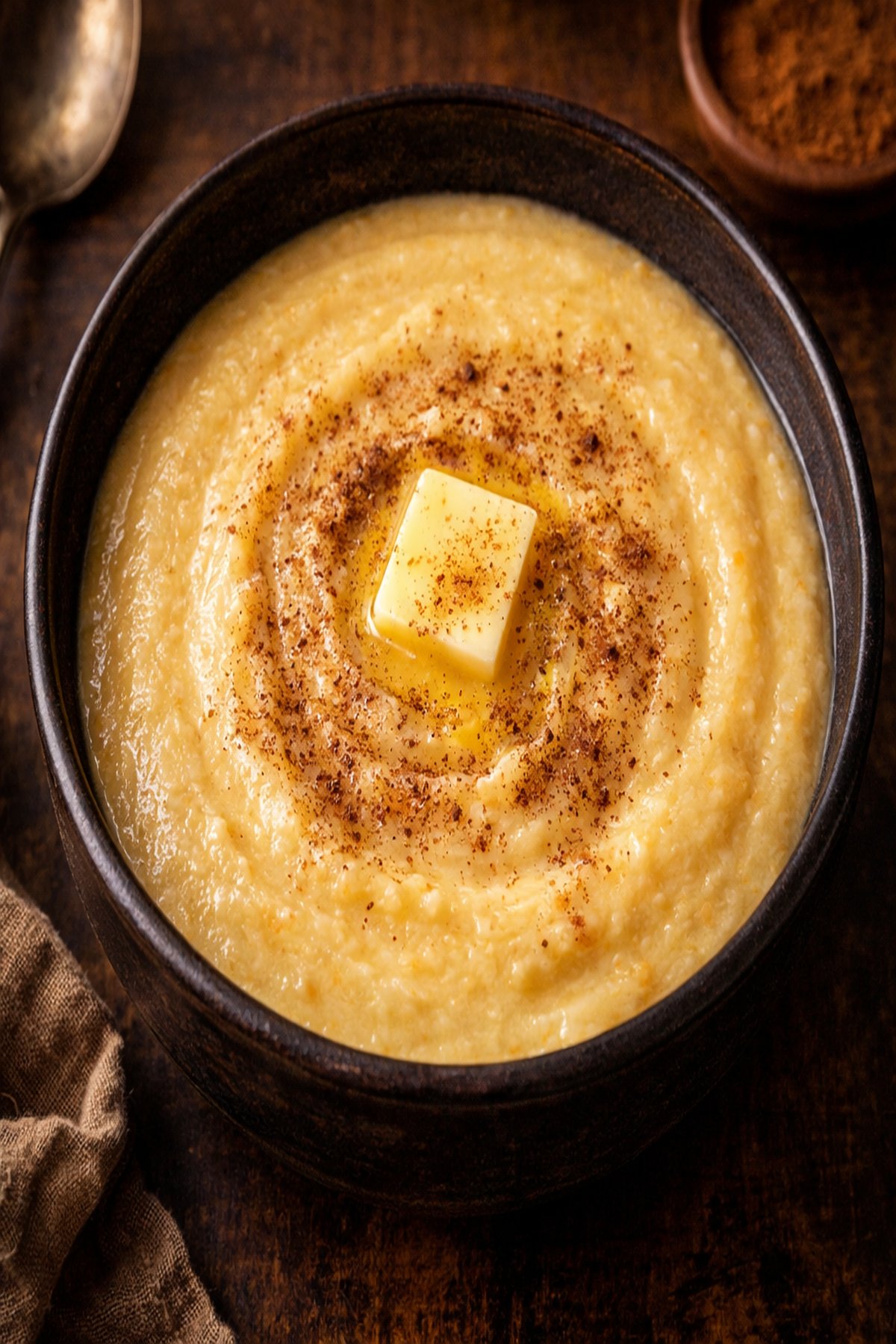
Crema de Maíz (Dominican Cornmeal Porridge) — A breakfast staple that's essentially the Dominican answer to Italian polenta, but richer and more aromatic. Cornmeal is slowly stirred into a mixture of coconut milk, cinnamon, vanilla, and sugar until it reaches a thick, pourable consistency. The result is creamy, warming, and deeply satisfying — the kind of breakfast that fuels you through an entire morning without weighing you down. Some families thin it slightly and serve it as a beverage, while others cook it thick enough to hold its shape on a plate.
Jamaican Pumpkin Soup — A Saturday tradition in many Jamaican homes, this velvety soup gets its richness from Scotch bonnet peppers, coconut milk, and a medley of ground provisions. The heat from the pepper, tempered by the coconut's sweetness, creates a perfectly balanced flavor profile. Spinner dumplings — small, elongated flour dumplings — float in the creamy broth, adding yet another satisfying textural element to an already extraordinary dish.
Trinidadian Callaloo — Made from dasheen (taro) leaves blended with okra, coconut milk, and crab, callaloo achieves a uniquely silky texture that's unlike anything else in Caribbean cooking. The okra acts as a natural thickener, creating body without heaviness, while the coconut milk provides richness and the crab adds a subtle sweetness. Served alongside rice or provision, it's a dish that showcases how Caribbean cooks use local ingredients to create textures that are both luxurious and deeply nourishing.
The Wellness Connection
What makes the creamy Dominican comfort food trend particularly compelling in 2026 is its natural alignment with modern wellness priorities. These aren't dishes that achieve their richness through processed ingredients or excessive dairy — they're whole-food recipes where the creaminess comes from the ingredients themselves. Root vegetables provide complex carbohydrates, fiber, and essential minerals. Beans deliver plant-based protein and gut-healthy prebiotics. Coconut milk offers medium-chain triglycerides that the body processes differently from other fats, providing quick energy without the inflammatory response associated with heavily processed oils.
This nutritional profile makes Dominican comfort food an ideal fit for the intuitive eating and anti-diet movements that continue to gain momentum. These dishes prove that nourishing food and deeply satisfying food aren't mutually exclusive — in fact, the most satisfying foods often are the most nourishing. When a bowl of crema de auyama can provide your daily vitamin A requirements while tasting like something from a luxury restaurant, the old dichotomy between "healthy" and "delicious" simply falls apart.
Watch: How to Make Perfect Dominican Mangú
Want to master the creamiest breakfast in the Caribbean? In this video, I walk you through every step of making authentic Dominican mangú — from selecting the right plantains to achieving that perfect, cloud-like texture that makes this dish legendary.
Bringing It All Together
The creamy texture trend of 2026 is validation for what Dominican and Caribbean cooks have practiced for centuries — that the most luxurious, most satisfying food doesn't require expensive ingredients or complicated techniques. It requires understanding your ingredients, respecting the process, and having the patience to let simple foods reveal their extraordinary potential. A green plantain becomes mangú. A handful of beans becomes habichuelas guisadas. A piece of Caribbean pumpkin becomes crema de auyama. The transformation is always the same: humble to heavenly, through nothing more than heat, time, and care.
Whether you're a seasoned Dominican cook reconnecting with the dishes of your childhood or someone discovering these recipes for the first time, there's never been a better moment to embrace the creamy side of Caribbean cooking. Start with one recipe — mangú is the most forgiving and the most immediately rewarding — and let the texture guide you forward. Once you've experienced the velvety satisfaction of Dominican comfort food, you'll understand why this trend isn't really a trend at all. It's a tradition that the rest of the world is only now catching up to.

Leave a Reply