
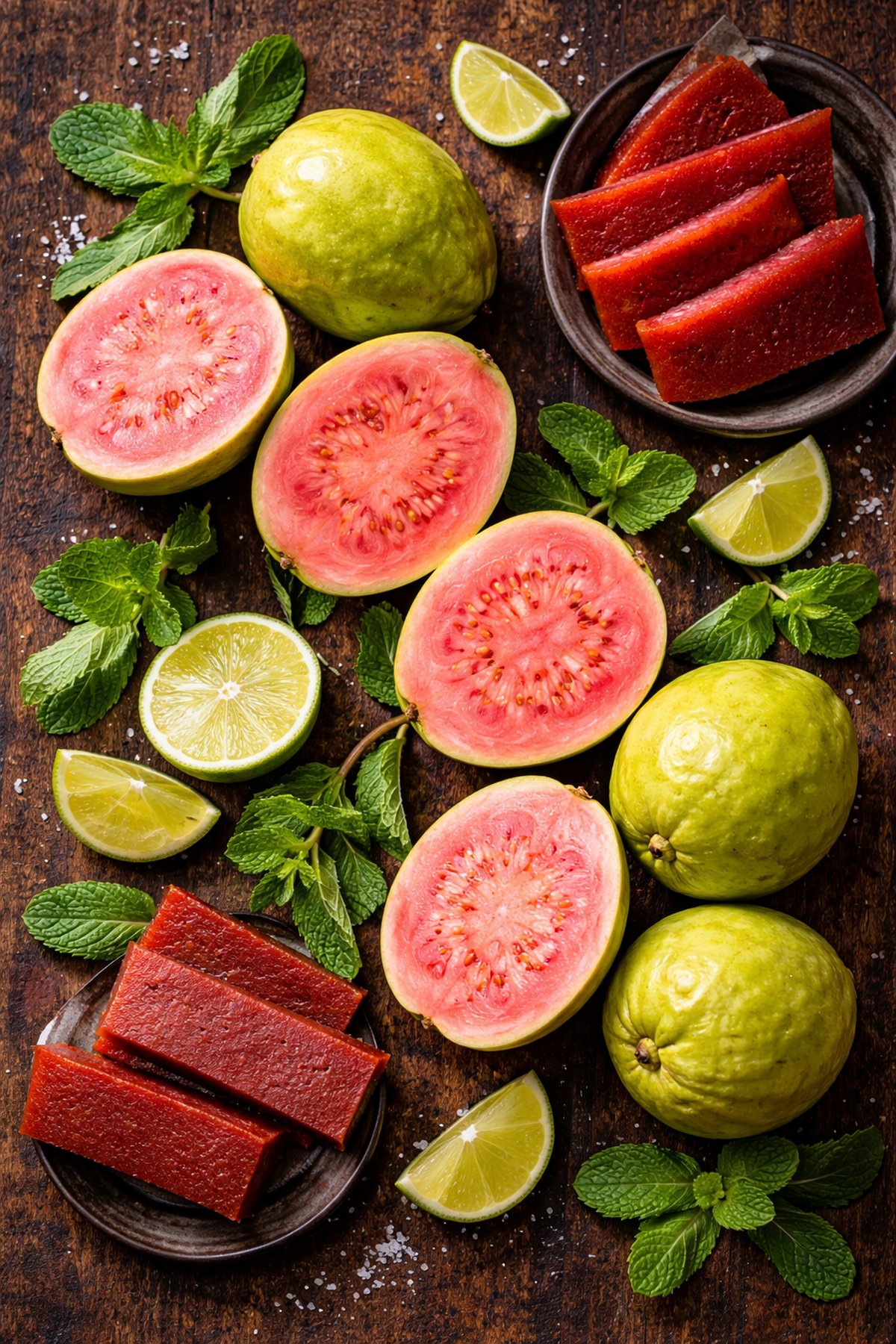
If there's one fruit that perfectly captures the soul of Caribbean cooking, it's guava. With its intoxicating floral aroma, sunset-pink flesh, and flavor that walks the line between tropical sweetness and tangy complexity, guava has been a cornerstone of Dominican and Caribbean kitchens for generations. And in 2026, the rest of the culinary world is finally waking up to what island cooks have always known — guava belongs in everything.
From artisan bakeries incorporating guava paste into croissants to mixologists crafting guava-infused cocktails, this tropical fruit is having its biggest mainstream moment yet. Social media is overflowing with guava content — pastelitos tutorials racking up millions of views, chefs experimenting with guava in savory glazes and marinades, and home cooks discovering that this humble fruit can transform both a weeknight dinner and a weekend dessert spread. The guava revolution isn't just about novelty — it's about a fruit so versatile that it genuinely improves almost everything it touches.
Why Guava Is Trending Now
Guava's rise to trending status in 2026 is the result of several converging forces. The broader embrace of tropical and Latin American flavors in mainstream food culture has opened doors for ingredients that were once considered "exotic" by Western palates. Food media platforms like TikTok and Instagram have given Caribbean and Latin creators a massive stage to showcase traditional recipes, and guava — with its vibrant color and dramatic transformations in cooking — is inherently visual and shareable.
The health angle is also significant. Guava is one of the most nutrient-dense fruits available, packing more vitamin C per serving than oranges, along with substantial amounts of fiber, potassium, and antioxidants. Health-conscious consumers looking for natural, whole-food ingredients that deliver both nutrition and flavor are gravitating toward guava as an alternative to processed sweeteners and artificial flavorings. When a single fruit can replace sugar in a glaze, add depth to a marinade, and serve as the star of a dessert — all while boosting your vitamin intake — it's no wonder the food world is paying attention.
Perhaps most importantly, there's a growing appetite for authenticity in food culture. Consumers are moving away from fusion-for-fusion's-sake and toward understanding ingredients within their original cultural context. Guava isn't being "discovered" — it's being recognized. The recipes that are going viral aren't inventions; they're the same preparations that Dominican and Caribbean grandmothers have been making for decades, finally reaching the audience they deserve.
Guava in Caribbean Culture
In Caribbean households, guava is woven into the fabric of daily life and celebration alike. The fruit grows abundantly across the islands, and most families have childhood memories of picking guavas straight from the tree — the ripe ones slightly soft to the touch, their perfume filling the air before you even bite into them. That sensory memory is powerful, and it's part of why guava holds such an emotional place in Caribbean cooking.
The Dominican Republic has a particularly rich guava tradition. Dulce de guayaba — guava paste cooked down with sugar until it becomes a thick, sliceable confection — is a pantry staple found in virtually every Dominican home. It's eaten with fresh white cheese as an afternoon snack, layered into pastries, or simply sliced and served alongside a strong cup of café. The combination of guava paste and cream cheese is so iconic in Dominican culture that it has its own name: guayaba con queso, and it represents the perfect balance of sweet, tart, and creamy that defines Caribbean flavor philosophy.
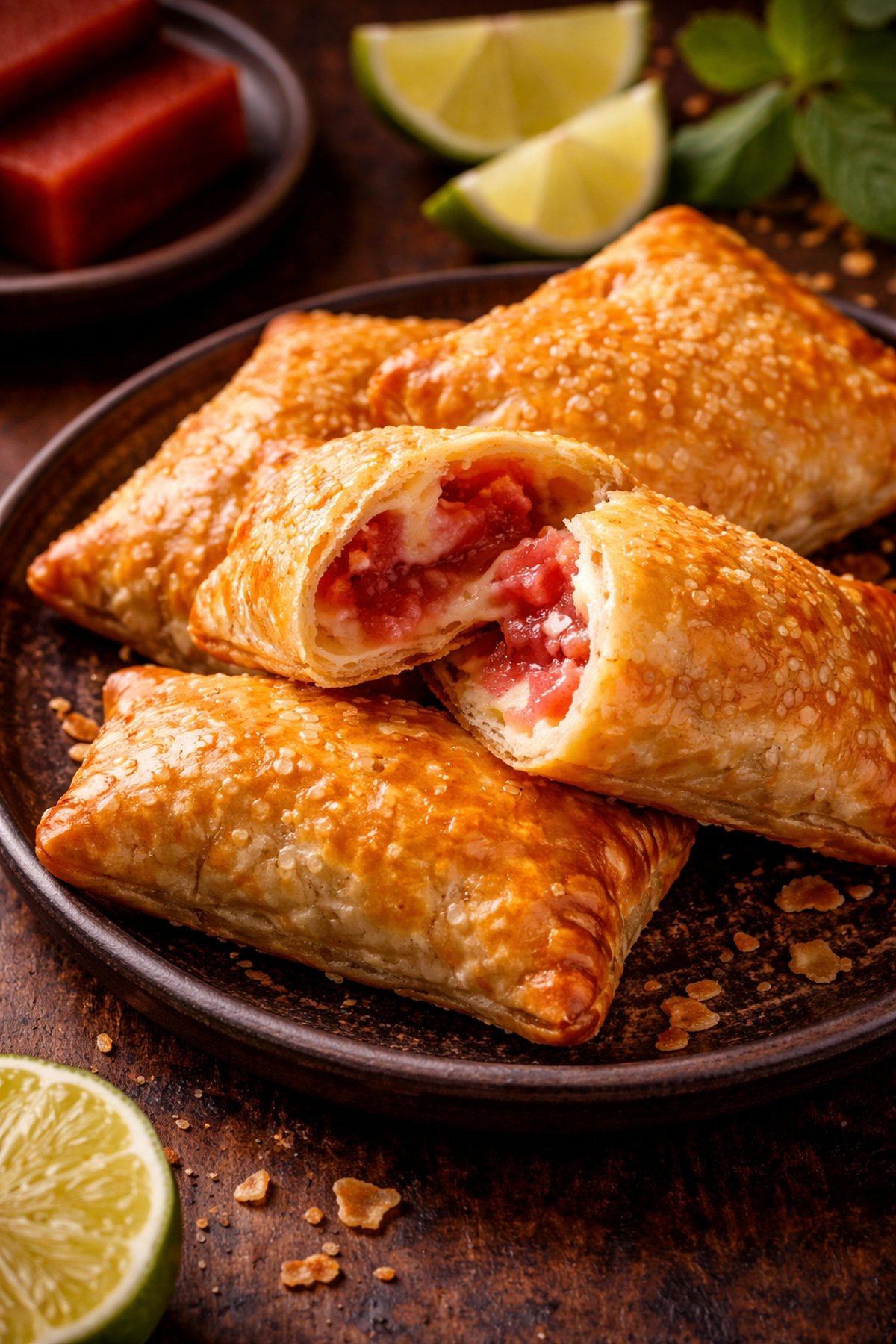
Pastelitos de guayaba — flaky pastry turnovers filled with guava paste and sometimes cream cheese — are arguably the most beloved Dominican pastry. Every bakery, colmado, and street vendor sells them, and the debate over who makes the best pastelitos in any given neighborhood is a conversation that can last for hours. The pastry should shatter when you bite into it, giving way to the warm, jammy guava filling inside. Making them from scratch is a labor of love that connects generations of Dominican bakers.
Guava in Savory Applications
While most people first encounter guava in sweet contexts, the fruit's real versatility shines in savory cooking — and this is where the 2026 guava trend gets truly exciting. Caribbean cooks have long understood that guava's natural acidity and sweetness make it an extraordinary ingredient for glazes, marinades, sauces, and braises. The same qualities that make guava paste addictive on its own — concentrated fruit flavor with a perfect sweet-tart balance — translate beautifully when applied to proteins and vegetables.
Guava BBQ Glaze
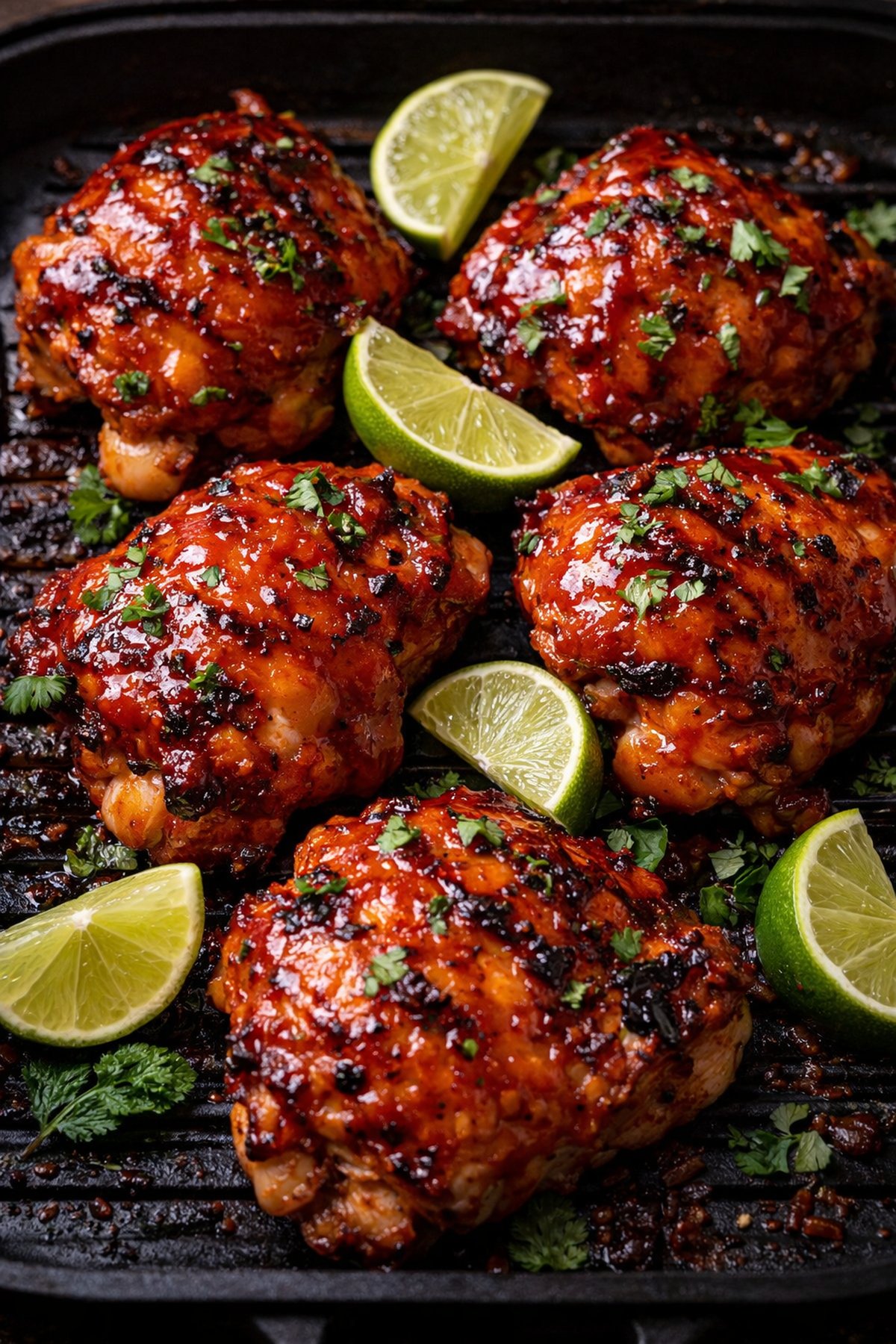
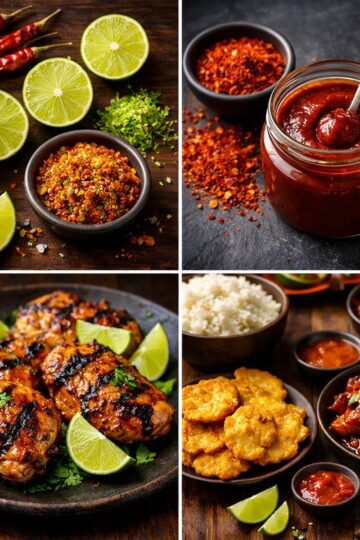
A guava BBQ glaze is one of the easiest ways to bring Caribbean flavor to your grill. Start by melting guava paste with a splash of lime juice, soy sauce, garlic, and a pinch of cayenne. The paste dissolves into a glossy, deeply flavored glaze that caramelizes beautifully on grilled meats. Brush it on chicken thighs during the last few minutes of grilling and watch the surface develop a lacquered, mahogany finish that looks as stunning as it tastes. The guava provides natural sugars for caramelization without the cloying sweetness of conventional BBQ sauces. If you love grilled chicken with bold flavors, pair this glaze with this lemon garlic chicken recipe for an unforgettable weeknight dinner.
Guava Glazed Pork
Pork and guava is one of those flavor combinations that feels like it was designed by nature. The fruit's acidity cuts through the richness of the meat while its sweetness enhances pork's natural savory qualities. For a show-stopping guava glazed pork, combine guava paste with Dijon mustard, apple cider vinegar, and a generous amount of garlic. Score the surface of a pork shoulder or loin, rub it with your favorite Caribbean spice blend, then baste with the guava glaze throughout the roasting process. The result is a burnished, sticky-sweet exterior with incredibly juicy meat beneath. For a traditional Dominican pork preparation that pairs perfectly with guava flavors, try this Dominican chicharrón de cerdo recipe and serve it alongside a guava dipping sauce.
Guava Mojo Sauce
The Cuban mojo — that garlicky, citrusy sauce built on sour orange juice — gets a tropical upgrade when you add guava. Blend fresh guava pulp with the traditional mojo ingredients: plenty of garlic, olive oil, cumin, and citrus juice. The result is a sauce that's simultaneously bright and fruity, perfect for drizzling over roasted vegetables, grilled fish, or fried plantains. The guava mojo also makes an exceptional marinade for chicken or shrimp, tenderizing the protein while infusing it with layers of flavor that a simple citrus marinade can't achieve.
Sweet Guava Recipes Every Kitchen Needs
While guava's savory potential is exciting, its traditional sweet preparations remain the heart of Caribbean guava cooking. These are the recipes that fill Dominican bakeries with their irresistible aroma, the desserts that end every family celebration, and the treats that Caribbean expats crave most when they're far from home. Mastering even one of these recipes will earn you a permanent place at the table.
Pastelitos de Guayaba y Queso — The quintessential Dominican guava pastry. Roll out empanada dough or puff pastry into circles, place a spoonful of guava paste and a sliver of cream cheese in the center, fold, seal with a fork, and fry until golden. The contrast of the shatteringly crisp exterior, the hot molten guava filling, and the creamy cheese is one of the greatest textural experiences in Caribbean baking. Baking them in the oven works too, though frying produces the most authentic texture.
Guava Cheesecake — A fusion dessert that has taken Caribbean bakeries by storm. The classic New York-style cheesecake gets a tropical makeover with a guava swirl throughout the batter and a guava paste topping that sets into a beautiful pink glaze. Some versions incorporate cream cheese into the guava layer, creating a double-cream effect that's rich, tangy, and utterly addictive. This is the dessert that converts guava skeptics into guava evangelists.
Dulce de Guayaba (Guava Shells) — Known as cascos de guayaba, these are halved guavas simmered in sugar syrup until they become translucent and deeply concentrated in flavor. Served chilled with a slice of white cheese — typically queso blanco or cream cheese — this is one of the most elegant and simple Caribbean desserts. The syrup becomes fragrant and rosy, and the guava halves develop a jewel-like quality that makes them as beautiful as they are delicious.
Guava Thumbprint Cookies — A modern Caribbean-inspired cookie that works for everyday snacking and holiday baking alike. A buttery shortbread-style cookie is pressed with a thumbprint and filled with guava jam or softened guava paste. The result is a delicate, crumbly cookie with a burst of tropical fruit in every bite. They're easy enough for beginners and impressive enough for a dessert table.
How to Select and Store Guava
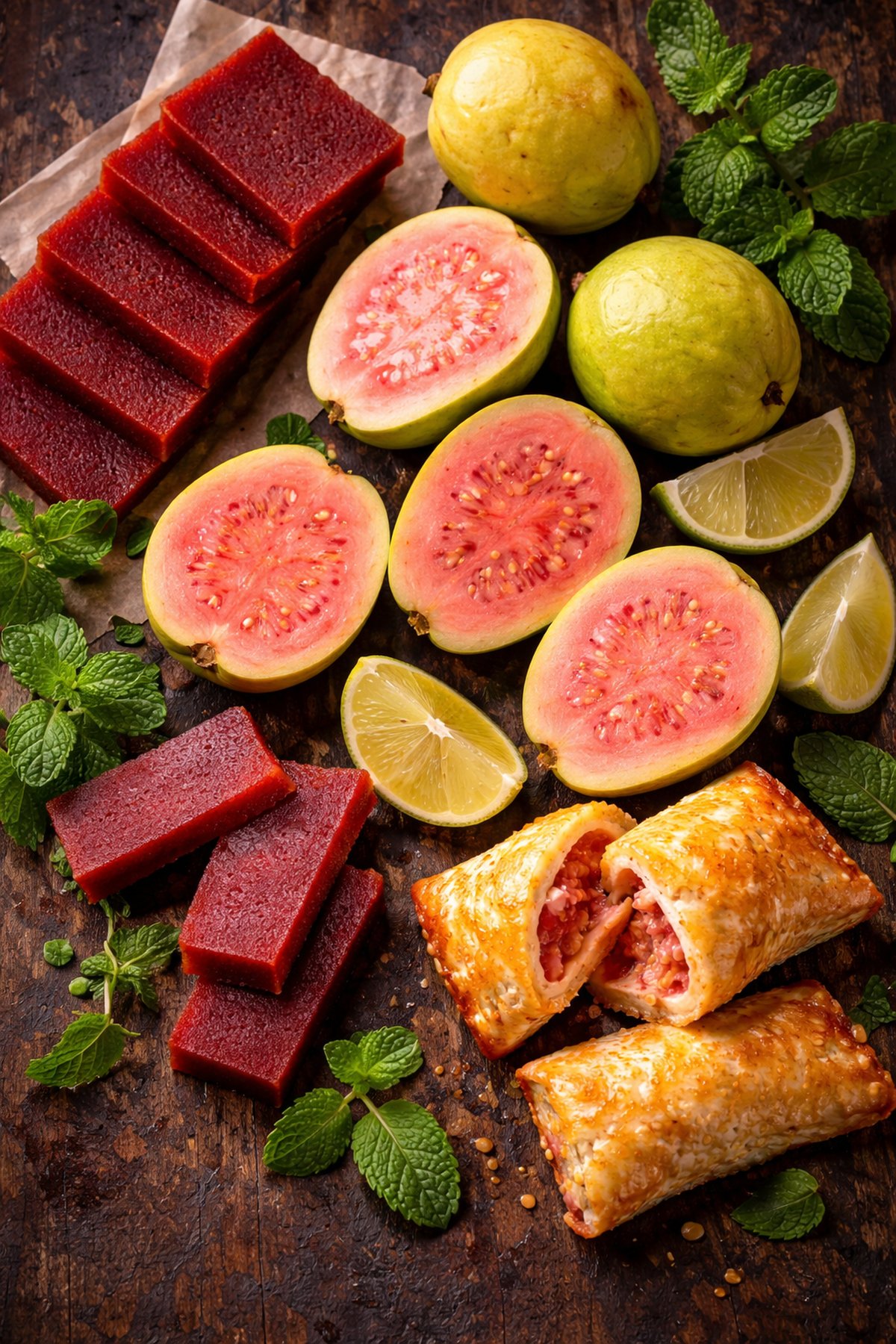
Working with fresh guava starts with knowing how to choose the right fruit. A ripe guava yields slightly to gentle pressure, similar to a ripe avocado. The skin may be green or yellow depending on the variety, but the aroma is your best indicator — a ripe guava will perfume the entire room with its floral, musky sweetness. Avoid guavas that are rock hard (underripe) or have dark brown spots (overripe), and look for fruits that feel heavy for their size, which indicates juiciness.
Fresh guavas ripen quickly at room temperature and should be used within two to three days of reaching peak ripeness. For longer storage, refrigerate ripe guavas for up to a week, or cut them into pieces and freeze for up to six months. Frozen guava works beautifully in smoothies, sauces, and baked goods. Guava paste, which is available in most Latin grocery stores and increasingly in mainstream supermarkets, keeps for months in the refrigerator and is the most convenient way to always have guava flavor on hand.
Essential Guava Pantry Items
Building a guava-ready pantry is simple and affordable. Stock guava paste (sold in blocks or tins at Latin markets), guava jam or jelly for quick applications, and frozen guava pulp for smoothies and sauces. Fresh guavas are available seasonally at farmers' markets and Latin groceries, and their brief season makes them even more special. Cream cheese and queso blanco are essential accompaniments — the Caribbean tradition of pairing guava with fresh cheese is non-negotiable and universally beloved.
The Health Benefits of Guava
Beyond its extraordinary flavor, guava is a nutritional powerhouse that justifies its superfruit status. A single guava contains four times the vitamin C of an orange — over 200% of your daily recommended intake. It's also an excellent source of dietary fiber, with one fruit providing about 12% of your daily needs, supporting digestive health and promoting feelings of fullness. The fruit is rich in lycopene, the same antioxidant found in tomatoes, which has been linked to reduced risks of certain cancers and cardiovascular disease.
Guava leaves have their own health benefits and are commonly used in Caribbean folk medicine to make a soothing tea. Research has shown that guava leaf tea may help regulate blood sugar levels, reduce inflammation, and support immune function. The combination of the fruit's nutritional density and the leaves' medicinal properties makes guava one of the most completely useful plants in Caribbean culture — nothing goes to waste, and everything contributes to wellbeing.
Watch: How to Make Pastelitos from Scratch
Ready to try making your own pastelitos? In this video, I walk you through the entire process — from preparing the dough to achieving that perfect golden, flaky crust with molten guava filling inside. Once you've made them fresh, you'll never go back to store-bought.
Bringing It All Together
The guava trend of 2026 is more than a passing fascination with an unfamiliar fruit — it's a celebration of Caribbean culinary wisdom that's been hiding in plain sight. For generations, Dominican and Caribbean cooks have understood guava's extraordinary range, using it to create everything from simple afternoon snacks to elaborate celebration desserts, from sticky-sweet glazes to tangy savory sauces. What the broader food world is discovering now, Caribbean kitchens have known all along: guava isn't just a fruit, it's an entire flavor vocabulary.
Whether you're melting guava paste into a glaze for tonight's dinner, folding it into pastry dough for weekend baking, or simply slicing it fresh with a piece of cream cheese, you're participating in a culinary tradition that spans centuries and connects cultures. Start with whatever form of guava you can find — fresh, paste, or frozen — and let the fruit guide you. Its flavor is bold enough to lead and versatile enough to complement, and that rare combination is exactly why guava deserves its moment in the spotlight.
Leave a Reply