
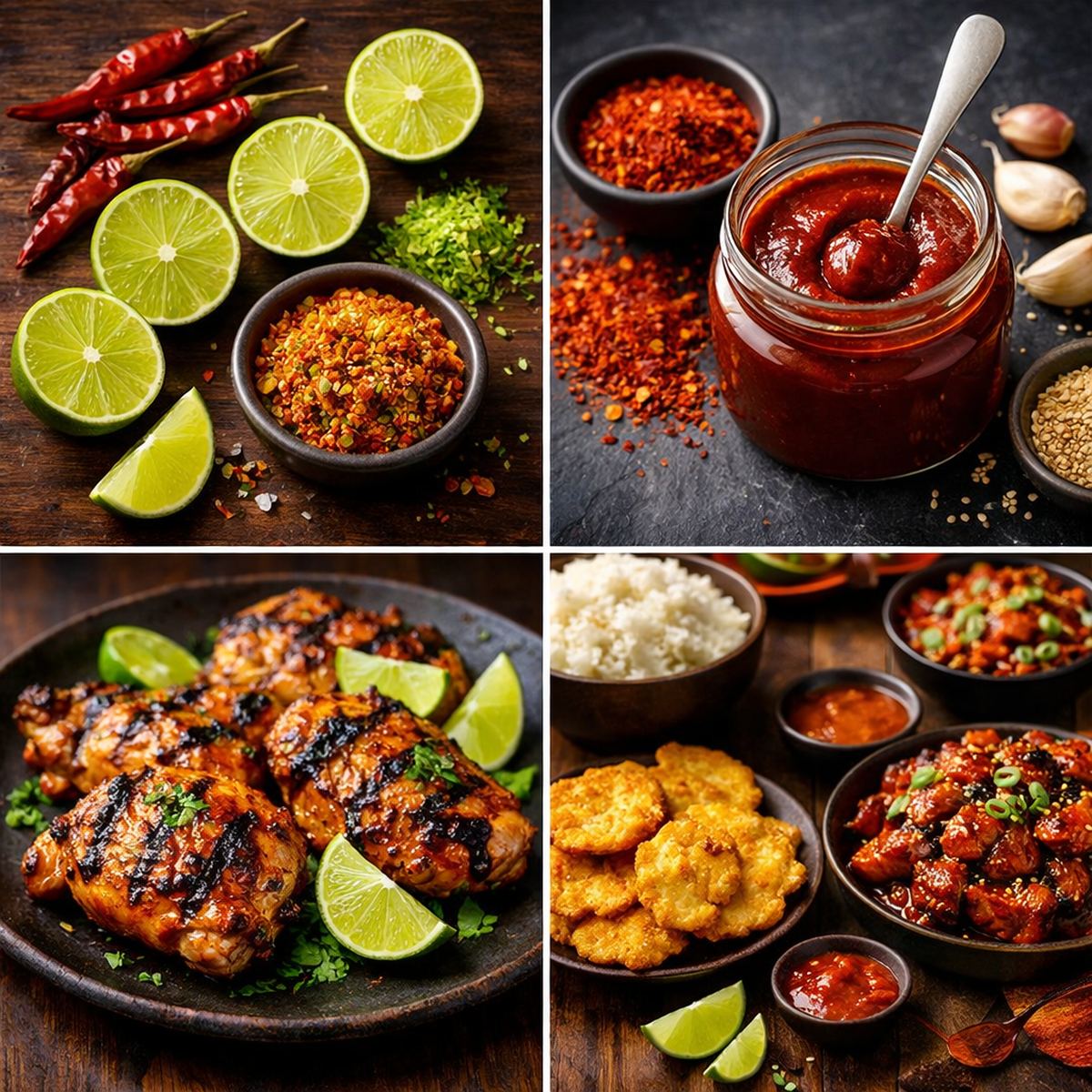
There's a flavor revolution happening in kitchens across the world, and it's bold, spicy, and unapologetically delicious. Two seasonings are leading the charge in 2026: chili-lime and gochujang. You've probably seen them everywhere — on restaurant menus, in grocery store aisles, trending on TikTok and Instagram. But here's what nobody's telling you: these flavors have been alive and well in Caribbean and Dominican cooking for decades. We just never called them trendy. We called them dinner.
In this article, we're breaking down why chili-lime and gochujang are the hottest flavor combinations of the year, how they work, and most importantly, how you can bring them into your Caribbean cooking right now.
What Is Chili-Lime and Why Is Everyone Obsessed?
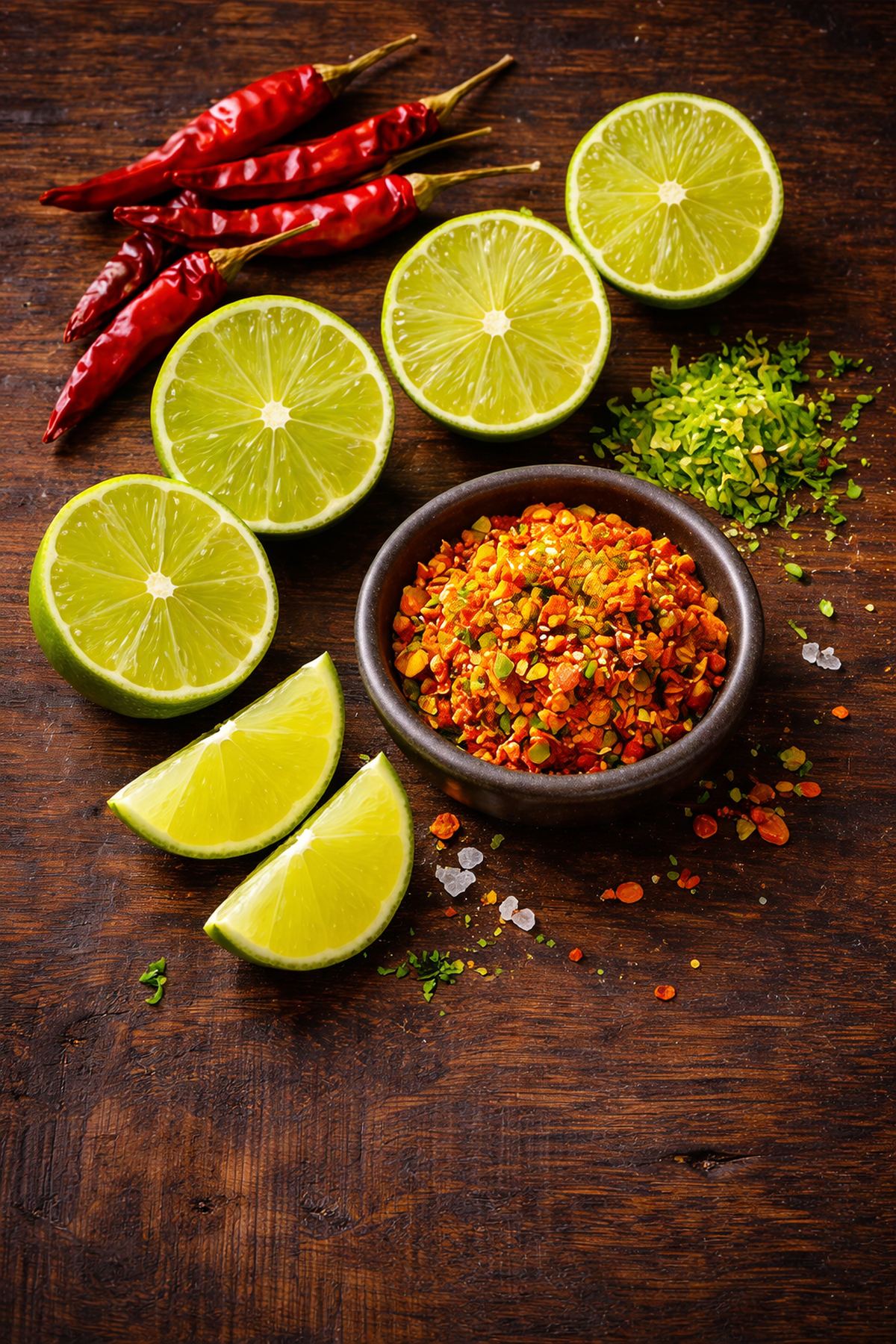
Chili-lime is exactly what it sounds like — the fiery kick of chili peppers balanced by the bright, zesty punch of lime. It's tangy. It's spicy. It hits every corner of your palate at once. The combination has roots in Mexican and Latin American cuisine, where it's been used for centuries on everything from fruit to grilled meats.
In 2026, chili-lime has exploded beyond its traditional roots. You're seeing it on popcorn, in cocktails, on grilled chicken, in salad dressings, and even in desserts. The National Restaurant Association's What's Hot 2026 Culinary Forecast lists it as one of the top trending protein seasonings of the year. That's not an accident. People are craving bold flavors that are layered and complex — and chili-lime delivers every single time.
Major food brands have taken notice too. From Trader Joe's chili-lime seasoning to Tajin becoming a staple in American households, the mainstream acceptance of chili-lime has opened doors for home cooks to explore bolder flavor profiles. Social media has accelerated this trend even further, with chili-lime recipes consistently ranking among the most-shared food content across platforms.
For Caribbean cooks, this is home turf. The combination of heat and citrus is deeply embedded in Dominican, Puerto Rican, and Cuban cooking traditions. Think of how we use sour orange — naranja agria — in marinades. Think of the way we build heat into our sofrito. Chili-lime isn't a new concept for us. It's just finally getting the spotlight it deserves.
What Is Gochujang and How Does It Fit Into Caribbean Cooking?
Gochujang is a Korean fermented chili paste that's been a staple in Korean cuisine for centuries. It's made from red chili peppers, glutinous rice, fermented soybeans, and salt — and the result is a deep, complex condiment that's simultaneously spicy, sweet, savory, and slightly smoky. It's not just hot. It's layered in a way that very few condiments can match.
In 2026, gochujang has gone fully mainstream. It's showing up in fast food chains, high-end restaurants, and home kitchens across America. Food Network named it one of the six trends you'll see everywhere this year. Home cooks are adding it to marinades, stir-fries, pasta sauces, and even grilled cheese sandwiches.
Now here's where it gets interesting for Caribbean cooks. Gochujang's flavor profile — fermented, spicy, slightly sweet — isn't that far from flavors we already love. Dominican cooking relies heavily on layered, slow-built flavors. Our sofrito is fermented in its own way through the slow cooking process. Our use of peppers and aromatics creates depth that mirrors what gochujang brings to Korean dishes. The two cuisines are more compatible than you'd think.
How to Use Chili-Lime in Your Caribbean Kitchen
Here are the best ways to bring chili-lime into your everyday cooking right now:
1. Chili-Lime Chicken Marinade
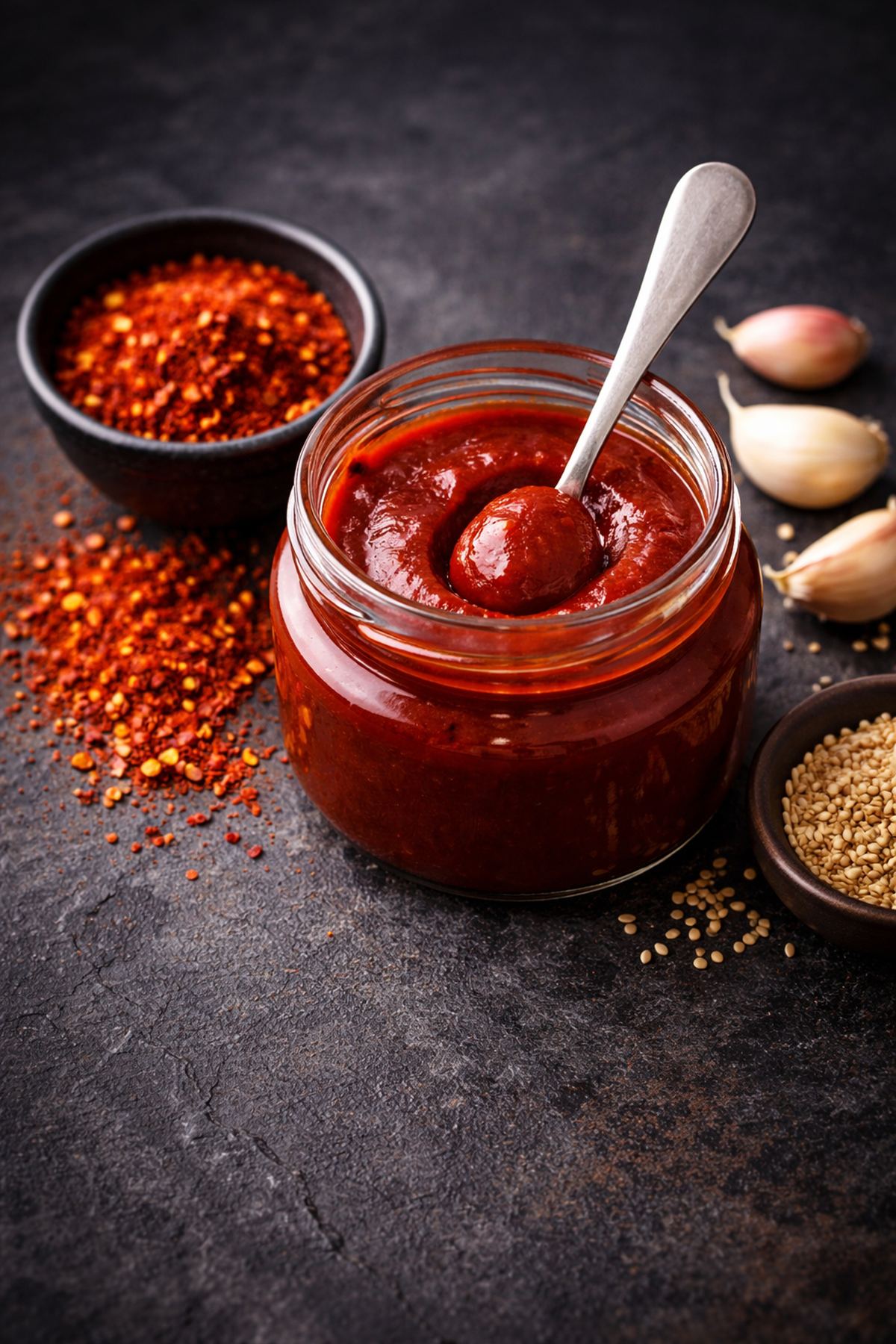
Combine fresh lime juice, lime zest, chili powder, garlic, olive oil, salt, and a pinch of cayenne. Marinate chicken thighs for at least two hours and grill or bake. This works beautifully as a twist on classic Dominican pollo al horno.
For an even deeper flavor, add a splash of sour orange juice or naranja agria to the marinade. The bitterness of the sour orange plays beautifully against the chili heat, creating a flavor combination that is distinctly Caribbean. Serve this alongside rice and beans or a crisp green salad for a complete meal that feels both modern and deeply rooted in tradition.
2. Chili-Lime Shrimp
Toss peeled shrimp in a chili-lime butter sauce and cook in a hot skillet for three to four minutes. Serve over white rice or with tostones on the side. Fast, easy, and packed with flavor. If you want to take it a step further, try this gochujang shrimp recipe for an incredible fusion twist.
3. Chili-Lime Seasoning on Tostones
The trick here is high heat and speed. Shrimp cook fast, so have everything prepped before you start. The lime juice should hit the pan in the last thirty seconds so it stays bright and does not turn bitter. If you want to go the extra mile, finish with a handful of fresh cilantro and a squeeze of lime right before plating.
After frying your tostones, dust them with a homemade chili-lime seasoning blend instead of plain salt. It elevates a classic Dominican side dish into something that feels totally fresh and on-trend.
4. Chili-Lime Mango Salad
You can make a big batch of chili-lime seasoning and keep it in a jar for weeks. Mix together chili powder, lime zest, smoked paprika, garlic powder, and sea salt. Sprinkle it on everything from tostones to popcorn to grilled corn on the cob. Once you have it on hand, you will find a hundred uses for it.
This salad is perfect for outdoor gatherings, cookouts, or as a bright side dish alongside grilled meats. The natural sweetness of the mango mellows the chili heat, while the lime keeps everything tasting fresh and vibrant. For extra crunch, add some toasted coconut flakes or crushed peanuts on top.
Slice ripe mangoes and toss with chili powder, lime juice, red onion, and cilantro. This is a refreshing side that pairs perfectly with grilled meats and showcases the natural sweetness of tropical fruit.
How to Use Gochujang in Your Caribbean Kitchen
Gochujang is surprisingly versatile and integrates beautifully into Caribbean dishes:
1. Gochujang Sofrito Chicken
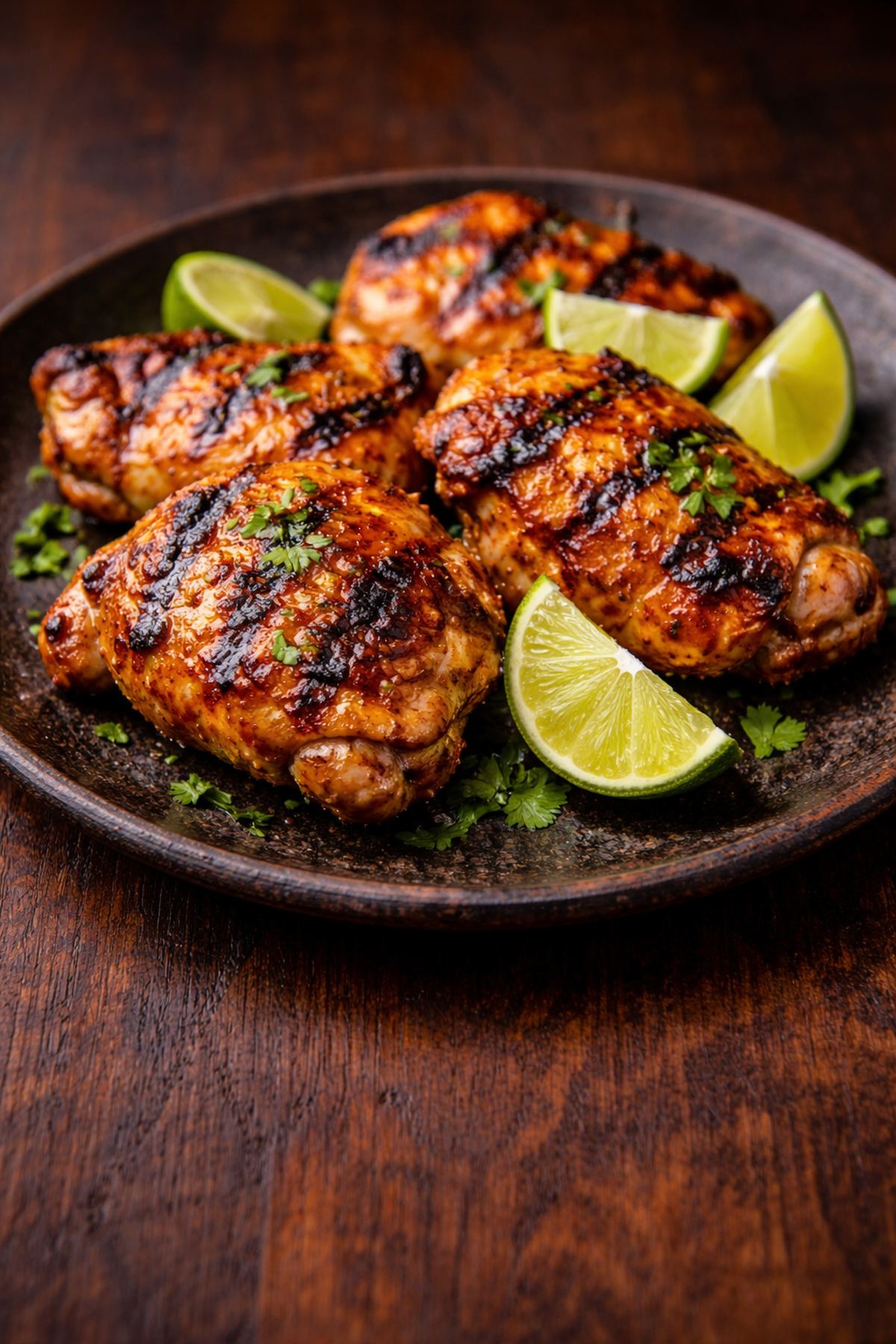
Start with your classic sofrito base, then add a tablespoon of gochujang to the sauce before adding your chicken. The fermented depth of the gochujang blends seamlessly with the peppers and onions of the sofrito, creating a sauce that's familiar but layered with something unexpected. If you love crispy textures alongside rich sauces, pair it with this crispy Dominican pork recipe.
This is one of those dishes that tastes like it took all day but comes together in under an hour. The gochujang deepens the umami notes in the sofrito and adds a gentle heat that builds with every bite. Serve it over a bed of white rice with a side of maduros and you have a meal that bridges two culinary worlds effortlessly.
2. Gochujang Rice
Stir a spoonful of gochujang into your Dominican-style white rice while it's cooking for a subtle heat and color. Top with a fried egg for a quick weeknight meal that feels elevated.
This works especially well with Dominican-style rice because the slightly sticky texture holds onto the gochujang glaze. You can also fold in some diced scallions and a fried egg on top for a quick bibimbap-inspired bowl that feels like a fusion masterpiece.
3. Gochujang Glazed Pork
Combine gochujang with honey, soy sauce, garlic, and a splash of lime juice. Use it as a glaze for pork chops or ribs. The sweetness of the honey tames the heat while the fermented depth of the paste creates a complex crust when grilled or roasted. This pairs naturally with Dominican pernil flavors.
If you have ever made pernil or slow-roasted pork shoulder, you already understand the magic of a good glaze. Gochujang brings that same caramelized crust but with a Korean kick. Brush it on during the last twenty minutes of cooking and let it get sticky and charred around the edges. Your guests will be asking for the recipe before they finish their plate.
4. Gochujang Dipping Sauce
Mix gochujang with mayonnaise, a squeeze of lime, and a pinch of garlic powder for a quick dipping sauce that works with tostones, yuca fries, or chicken strips.
This sauce comes together in under two minutes and keeps well in the fridge for up to a week. It is also fantastic as a spread on sandwiches, a drizzle over bowls, or mixed into coleslaw for an unexpected twist that ties everything together.
Why Caribbean Cooking Is Perfectly Positioned for These Trends
Here's the bigger picture. Caribbean and Dominican cooking has always been bold, layered, and flavor-forward. We've never been shy about heat, acid, and aromatics. What's happening right now in the food world is that mainstream American palates are finally catching up to what Caribbean home cooks have known forever.
Chili-lime? We've been squeezing sour orange and limón over everything since before it was a trend. Complex fermented flavors? Our sofrito is a masterclass in building depth. The difference is that now the food world is paying attention, and that means your recipes — authentic, rooted, full of flavor — are exactly what people are searching for.
This is your moment. Not to copy a trend, but to own it.
What makes Caribbean cooking so adaptable is its foundation. Sofrito, adobo, sazon, citrus marinades, and slow-cooked stews already operate on the same principles that make chili-lime and gochujang so appealing: layers of flavor built over time. When you introduce these trending ingredients into a kitchen that already understands heat, acid, sweetness, and depth, the results are extraordinary. You are not borrowing from another culture — you are building a bridge between two traditions that share more in common than most people realize.
Trending Recipes to Try Right Now
Ready to put these flavors to work? Here are some Kelvin's Kitchen recipes that pair perfectly with chili-lime and gochujang:
- Grilled Chicken Recipe — add chili-lime marinade
- Sofrito Chicken — add a gochujang twist
- Tostones — finish with chili-lime seasoning
- Dominican Pernil — glaze with gochujang honey
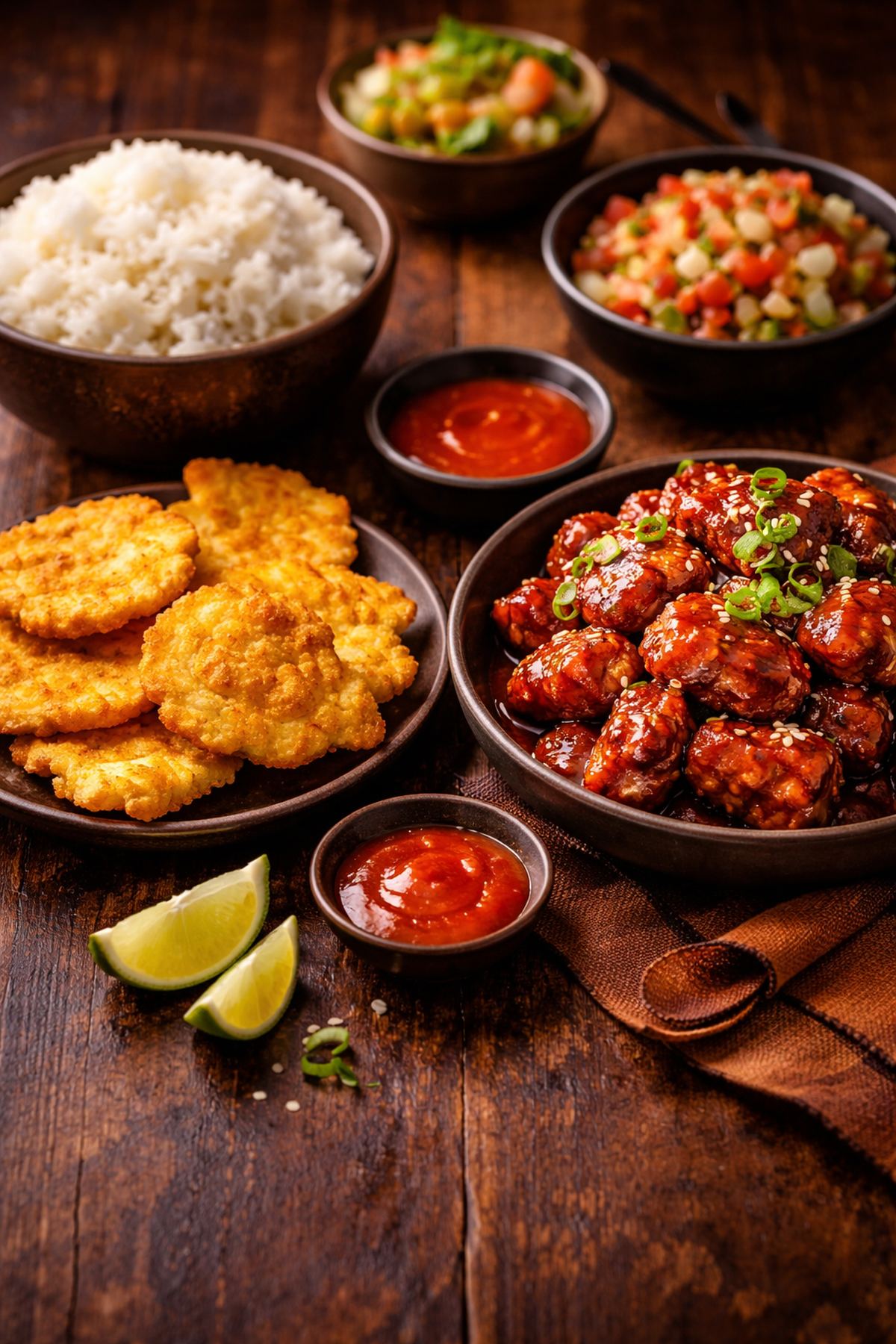
Want to see these flavors in action? Watch this step-by-step video where we make our Korean Gochujang Shrimp with Crispy Rice Cakes from scratch. You will see exactly how gochujang transforms a simple shrimp dish into something extraordinary and how easy it is to bring this technique into your own kitchen.
Final Thoughts
Chili-lime and gochujang aren't just 2026 buzzwords. They're proof that bold, complex flavors are here to stay — and Caribbean cooking has been ahead of this curve all along. Whether you're adding a squeeze of lime and a pinch of chili to your next batch of tostones or stirring gochujang into your sofrito for something unexpected, these flavors are your invitation to get creative in the kitchen.
Start small if you need to. Pick up a bottle of gochujang and a bag of chili-lime seasoning on your next grocery run. Try one recipe this week. Once you taste what happens when these bold flavors meet your Caribbean favorites, there is no going back. The best part is that you do not need to follow a strict recipe — trust your palate, experiment with ratios, and make these flavors your own. That is what Caribbean cooking has always been about: taking the best of what the world has to offer and making it unmistakably ours.
Try one of the recipes above and let us know in the comments how you made it your own. And don't forget to subscribe to Kelvin's Kitchen on YouTube for more tips, recipes, and flavor inspiration every week.
Leave a Reply