
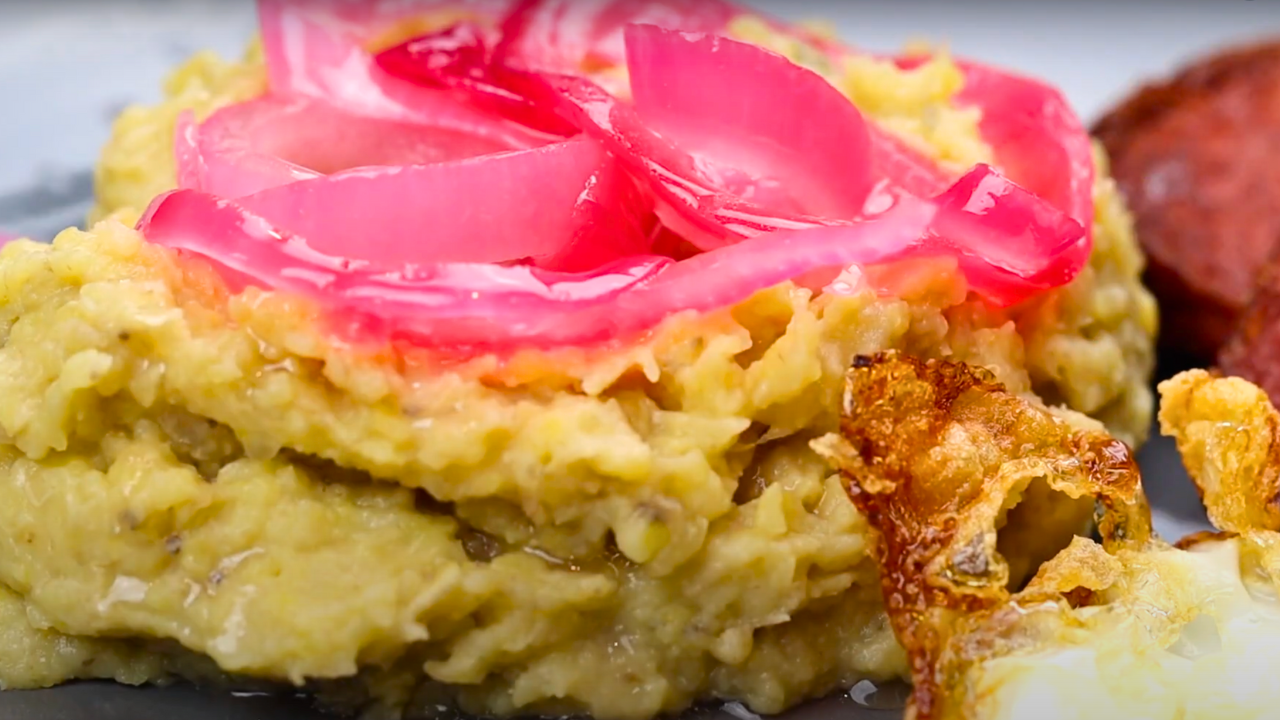
Mangu is the heart and soul of the Dominican breakfast table. This creamy, comforting dish of mashed plantains has been fueling Dominican mornings for generations, and it remains one of the most iconic recipes in Caribbean cuisine. If you have never tried a traditional mangu recipe, you are in for a satisfying and deeply flavorful experience.
The secret to perfect Dominican mangu lies in choosing the right plantains and mastering the technique. Green plantains are the traditional choice — they are starchy, firm, and create that signature smooth texture when boiled and mashed with butter and a splash of the cooking water. The trick is to mash vigorously and add cold water or oil to achieve a lump-free consistency that is silky but not gummy.
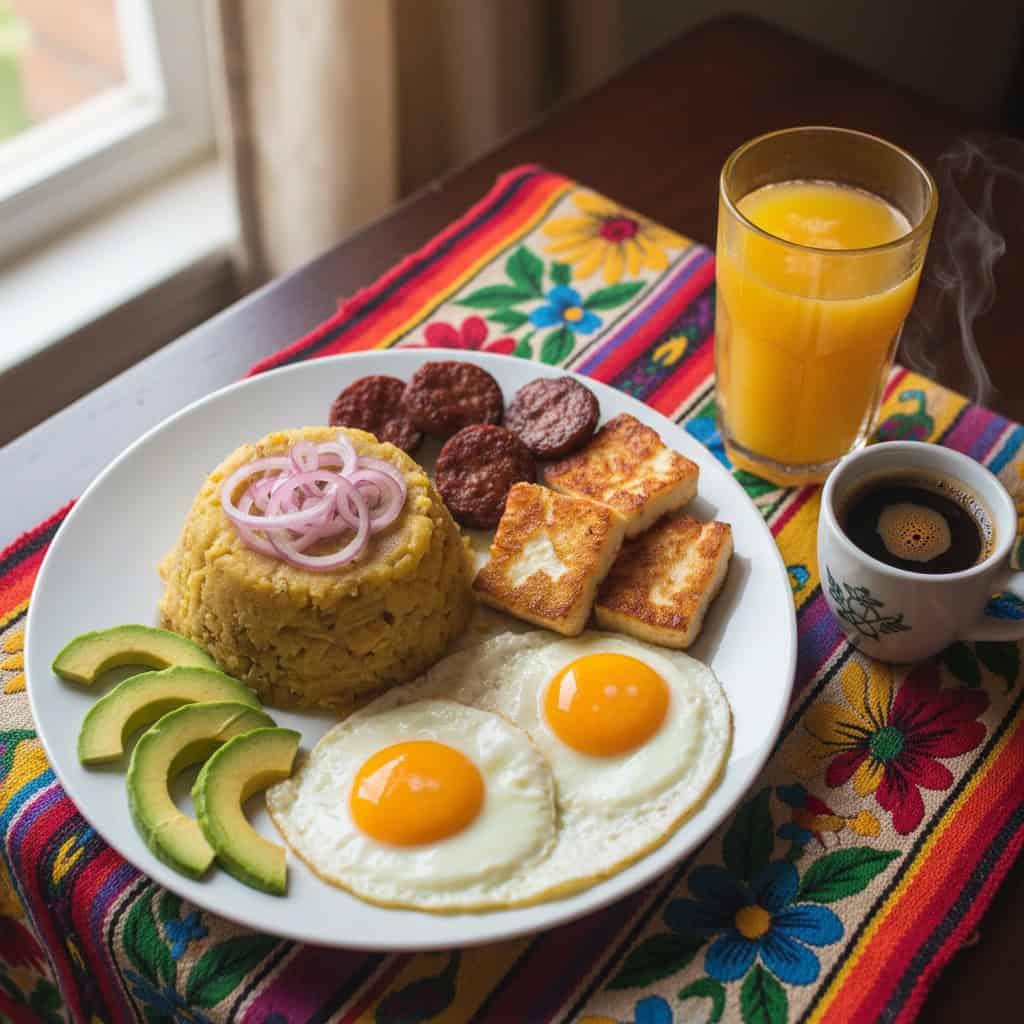
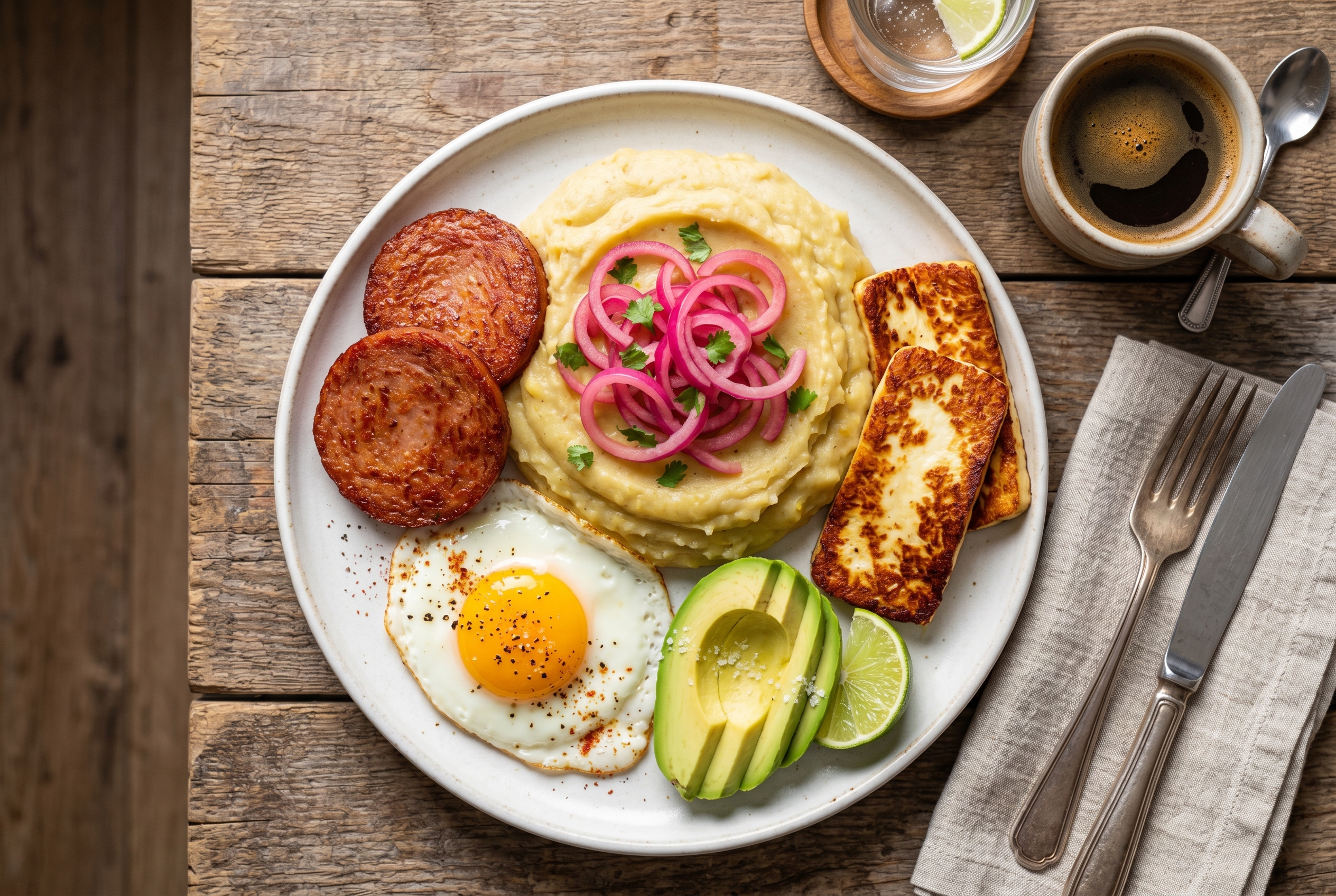
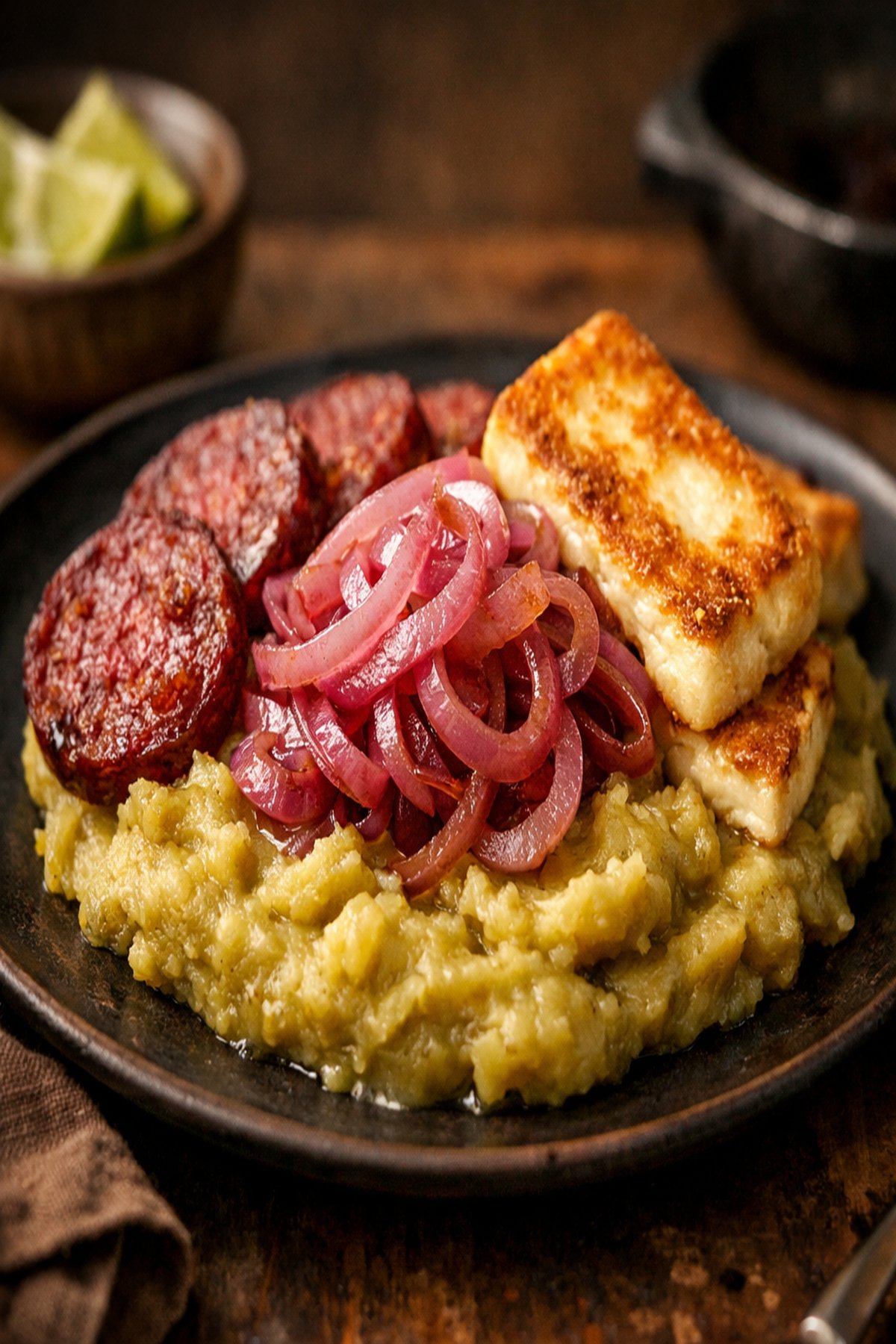
No Dominican breakfast is complete without los tres golpes — literally "the three hits." This classic combination pairs mangu with fried Dominican salami, fried cheese, and eggs, usually topped with a tangle of pickled red onions. It is a hearty, satisfying meal that showcases how simple ingredients can come together into something truly special. Once you master the mashed plantains, the rest falls into place naturally.
This Dominican Mangu Recipe is one of those recipes you'll find yourself making over and over again. It's simple, delicious, and always gets rave reviews. Whether you're a beginner or a seasoned cook, you're going to love how easy and tasty this turns out!
About This Recipe
Here's something that blew my mind when I first understood it: the plantains in mangú undergo enzymatic browning the moment you cut them, but here's the key - that browning actually creates deeper, more complex flavors through the Maillard reaction when they hit the hot water. Most people think you need to prevent browning, but in mangú, we want it! The natural sugars in those yellow plantains caramelize slightly during the mashing process, especially when you add that splash of the starchy cooking water back in. This is why abuela always told us to mash while everything's piping hot - you're literally creating flavor compounds that can't form at lower temperatures. The red onions we sauté for the cebollitas on top? Their sulfur compounds mellow and sweeten when they hit the warm, starchy mangú, creating this beautiful contrast that's both sharp and comforting. It's pure chemistry working in our favor, turning simple ingredients into something that tastes like home.
Ingredients for Dominican Mangu
- 4 green plantains
- 1 teaspoon salt
- 2 tablespoon butter — or more to taste
- ¼ cup reserved boiling water — from the plantains
For the Mangu
- 4 green plantains
- 1 teaspoon salt
- 2 tablespoon butter — or more to taste
- ¼ cup reserved boiling water — from the plantains
For the Sauteed Onions
- 1 large red onion — thinly sliced
- ¼ cup white vinegar
- 2 tablespoon olive oil
For the Sides
- 8 slices Dominican salami
- 4 slices fresh frying cheese
- 4 large eggs
- ¼ cup vegetable oil — for frying
Substitutions & Variations
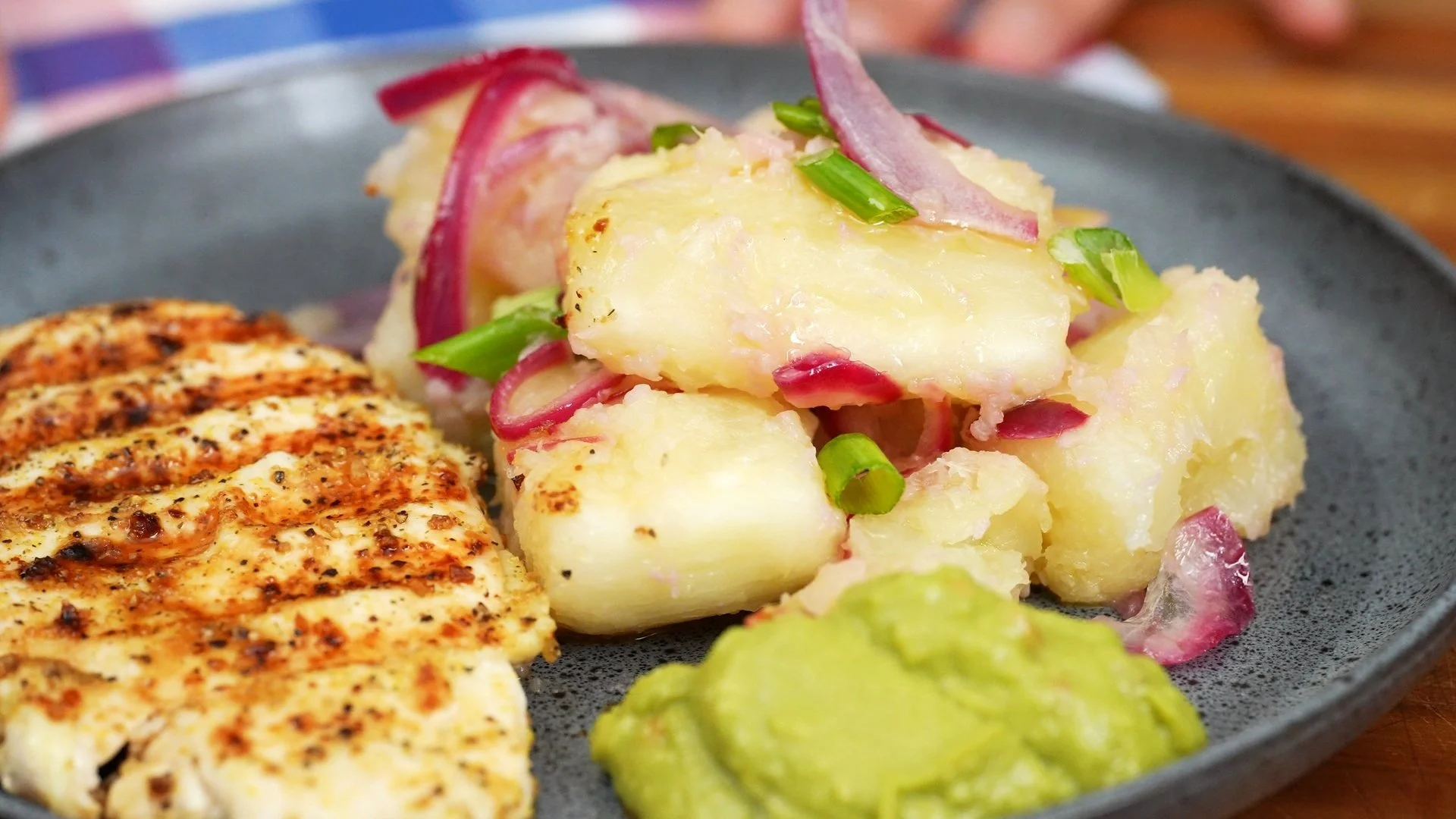
- Green plantains: Use yautía (taro root) or yuca (cassava) for a more traditional root vegetable mangú that's equally creamy but with a nuttier flavor profile.
- Dominican salami: Substitute with longaniza dominicana or regular chorizo for a spicier kick that still maintains the authentic Caribbean breakfast experience.
- Fresh frying cheese: Replace with queso blanco or even halloumi for a similar salty, firm texture that crisps beautifully when pan-fried.
- White vinegar in cebollitas: Use lime juice or sour orange juice (naranja agria) for a more citrusy, tropical tang that's common in Dominican pickled preparations.
- Butter: Swap with coconut oil for a subtle tropical flavor that complements the plantains while keeping the dish dairy-free.
- Red onion: Use white onions or add sliced red bell peppers to the cebollitas for extra sweetness and color contrast against the mangú.
- Mashing technique: Leave some chunks unmashed for "mangú campesino" style, which gives a more rustic, country-style texture that's popular in rural Dominican households.
How to Make Dominican Mangu
- Begin by cutting the ends off each green plantain. Make a slit down one side with a paring knife and use your fingers to peel the skin away. It should come off easily if done right. Cut each plantain into quarters. Bring a large pot of water to a boil. Add 1 teaspoon of salt, then carefully add the plantains. Let them cook for about 25-30 minutes until they are fork-tender and change to a yellowish color.
- While the plantains are boiling, slice the red onion thinly and place the slices in a bowl. Pour in the white vinegar and let them soak for 10 minutes to mellow out their sharpness. Heat olive oil in a saucepan over medium heat. Add the onions along with a bit of the vinegar they were soaking in. Cook for about 5 minutes until the onions become soft and slightly caramelized. Set aside.
- In a large frying pan over medium-high heat, add vegetable oil. Fry the Dominican salami slices until crispy, about 3 minutes per side. Remove and drain on a paper towel-lined plate. In the same pan, fry the queso de freir until golden on each side. Set aside.
- Using the same pan, fry the eggs to your preference. For a traditional Los Tres Golpes (The Three Hits) breakfast, sunny-side up eggs are the classic choice.
- Drain the cooked plantains and reserve about a cup of the cooking water. Mash the plantains using a fork, potato masher, or pilon (Dominican wooden mortar). Add a generous amount of butter and a splash of the reserved cooking water. Mash until smooth and creamy, adding more water as needed for your desired consistency. Season with salt to taste.
- Serve a heaping scoop of mashed plantains on each plate. Top with the sauteed red onions. Arrange the fried eggs, crispy salami, and fried cheese alongside. Serve immediately and enjoy this authentic Dominican breakfast.
What to Serve With Dominican Mangu
The classic Dominican way to enjoy mangú is alongside huevos fritos (fried eggs) and longaniza dominicana - this trio is called 'Los Tres Golpes' and it's pure comfort food magic. The runny egg yolk creates a silky sauce that mingles perfectly with the creamy plantains, while the spicy sausage adds that smoky kick we all crave.
For a lighter touch that still honors our traditions, pair your mangú with crispy tostones and a side of curtido (pickled cabbage slaw). The crunchy twice-fried plantains provide amazing textural contrast, and that tangy curtido cuts through the richness beautifully - just like my abuela always served it on Sunday mornings.
My Dominican-style black beans make an incredible companion to mangú, creating a protein-packed meal that'll keep you satisfied for hours. The earthy beans with their sofrito base complement the mild sweetness of the mashed plantains, and together they represent the heart and soul of our Dominican kitchen.
Frequently Asked Questions
Mangu is a traditional Dominican breakfast dish made from boiled and mashed green plantains. It is the national breakfast of the Dominican Republic, often served with eggs, salami, and cheese.
What type of plantains should I use for mangu?Green (unripe) plantains only. They are starchy and savory, which gives mangu its signature flavor. Yellow or ripe plantains are too sweet for this dish.
How do I peel green plantains easily?Cut off both ends, score the skin lengthwise along the ridges, and pry it off with your thumb. Soaking in warm water for a few minutes loosens stubborn skin.
Why is my mangu lumpy?Mash while the plantains are still very hot — they become gummy and lumpy as they cool. Use a potato masher or fork and add the cooking water gradually for smoothness.
What liquid should I use when mashing?Reserve the plantain cooking water and add it gradually while mashing. Some recipes add butter and a splash of olive oil for richness. Cold water can also be drizzled in.
What is Los Tres Golpes?Los Tres Golpes (The Three Hits) is the classic Dominican breakfast plate: mangu topped with sauteed red onions, plus fried Dominican salami, fried eggs, and fried white cheese.
How do I make the pickled red onion topping?Slice red onions into rings and saute in oil with vinegar until soft and slightly caramelized. The tangy, sweet onions are the essential mangu topping.
Dominican Mangu Video
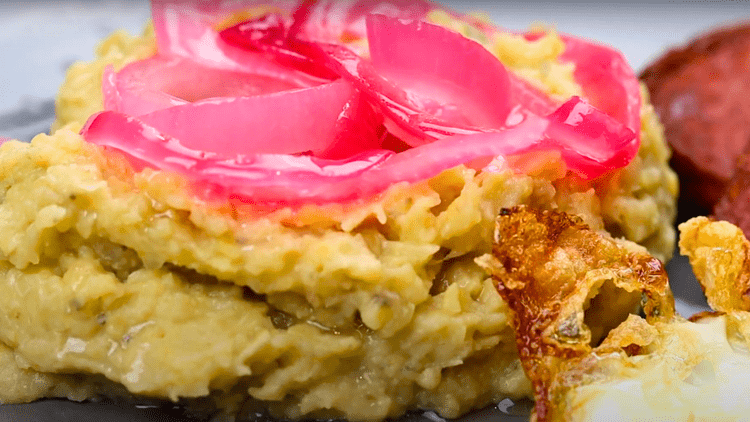
Dominican Mangu Recipe
Ingredients
Method
- Begin by cutting the ends off each green plantain. Make a slit down one side with a paring knife and use your fingers to peel the skin away. It should come off easily if done right. Cut each plantain into quarters. Bring a large pot of water to a boil. Add 1 teaspoon of salt, then carefully add the plantains. Let them cook for about 25-30 minutes until they are fork-tender and change to a yellowish color.
- While the plantains are boiling, slice the red onion thinly and place the slices in a bowl. Pour in the white vinegar and let them soak for 10 minutes to mellow out their sharpness. Heat olive oil in a saucepan over medium heat. Add the onions along with a bit of the vinegar they were soaking in. Cook for about 5 minutes until the onions become soft and slightly caramelized. Set aside.
- In a large frying pan over medium-high heat, add vegetable oil. Fry the Dominican salami slices until crispy, about 3 minutes per side. Remove and drain on a paper towel-lined plate. In the same pan, fry the queso de freir until golden on each side. Set aside.
- Using the same pan, fry the eggs to your preference. For a traditional Los Tres Golpes (The Three Hits) breakfast, sunny-side up eggs are the classic choice.
- Drain the cooked plantains and reserve about a cup of the cooking water. Mash the plantains using a fork, potato masher, or pilon (Dominican wooden mortar). Add a generous amount of butter and a splash of the reserved cooking water. Mash until smooth and creamy, adding more water as needed for your desired consistency. Season with salt to taste.
- Serve a heaping scoop of mashed plantains on each plate. Top with the sauteed red onions. Arrange the fried eggs, crispy salami, and fried cheese alongside. Serve immediately and enjoy this authentic Dominican breakfast.
Nutrition
Video
Notes
Choose plantains that are yellow with plenty of black spots - they're sweeter and break down easier. Avoid green ones completely; they'll give you a gluey, bitter mangú that no amount of seasoning can fix because the starches haven't converted to sugars yet. Save at least a cup of that starchy plantain cooking water before draining. I learned this from watching my tía - adding it back while mashing creates the perfect creamy consistency without dairy, and it carries all those concentrated plantain flavors you'd otherwise pour down the drain. Mash everything while it's still steaming hot, never let it cool first. Cold plantains become gummy and won't achieve that silky, cloud-like texture we're after. The heat helps create the right consistency and prevents lumps from forming in your mangú. For authentic cebollitas, slice your red onions thick and cook them low and slow until they're golden and jammy, not crispy. They should melt into the mangú slightly when served, adding sweetness that balances the earthiness of the plantains perfectly.
Tried this recipe?
Let us know how it was!Filed Under
You May Also Like
Mangú and Tres Golpes: The Complete Dominican Breakfast
Tres golpes ("three hits") = mangú + fried cheese + fried salami + fried eggs. Technically four components, but the three fried proteins are the "three hits" — mangú is the base.
This is the Dominican equivalent of La Bandera for breakfast — every Dominican grew up eating it, and every Dominican has an opinion on the order in which the eggs should be fried.
The order of operations matters. Mangú goes first and keeps warm covered on the stove. Then the queso de freír (Dominican frying cheese), which has a very high melting point and fries golden in under 2 minutes. Then the salami cibaeño, which renders its own fat as it crisps. Finally the eggs, fried directly in the rendered salami fat so they absorb the seasoning.
The specific ingredients that make it authentic: queso de freír (sometimes called queso frito), salami cibaeño (La Preferida brand is the classic), and eggs fried hard but not crispy.
The Curtido de Cebollas: Mangú's Essential Topping
The pickled red onion curtido that tops mangú is not optional garnish — it is as important to the dish as the mangú itself.
Technique: slice a red onion thin (mandoline if you have one). Sauté the slices briefly in a glug of olive oil until they start to soften, about 90 seconds. Pull from the heat and add white vinegar and a pinch of salt. Let it cool a little before spooning on top of the mangú.
The vinegar is the whole point. It cuts the starchy richness of the plantain and the fat from the cheese and salami. Mangú without curtido is bland. Mangú with curtido is balanced.
Some Dominican families use apple cider vinegar, some use rice vinegar. White vinegar is the traditional default. A pinch of dried oregano on top at the end is a Cibao touch.
Mangú vs. Mofongo vs. Fufu: What Makes Dominican Mangú Unique
All three dishes come from the same West African culinary root, but they diverge in technique, texture, and identity.
Mangú (Dominican): boiled green plantain mashed with butter, oil, and the starchy cooking water. Smooth, creamy, and deliberately soft.
Mofongo (Puerto Rican): fried green plantain mashed with garlic and chicharrón in a wooden pilón (mortar). Chunky, garlicky, and often formed into a dome or stuffed with protein.
Fufu (West African): the shared ancestor. Pounded starchy staple — yam, cassava, or plantain — served with stew. This is the African culinary root that both mangú and mofongo trace back to.
Dominican mangú is deliberately smooth and creamy — not garlicky or chunky like mofongo, not stiff like fufu. The cooking water is the secret: reserve some of the starchy plantain boiling water and stir it back in while mashing. That starch-loaded liquid is what gives mangú its signature silky texture.
Mangú for Dinner: The Underrated Dominican Comfort Meal
Mangú has an outsized reputation as a breakfast dish outside the DR, but Dominican families eat it for dinner just as often — sometimes more often.
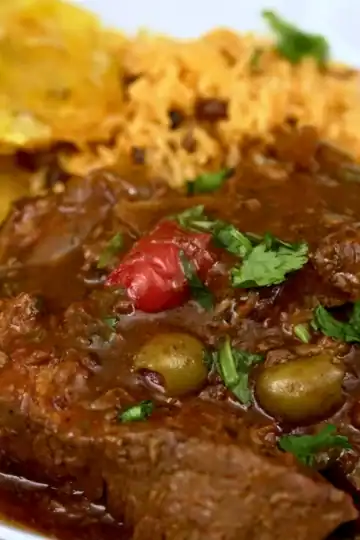
A classic dinner mangú plate: mangú base, stewed meat on top or on the side, and a scoop of habichuelas on the side. The stewed meat is usually pollo guisado, carne guisada, or bacalao guisado. Any rich, saucy stewed protein works because the mangú soaks up the sauce.
If you grew up with a Dominican grandmother, mangú for dinner probably meant Sunday night after a long weekend. It's the ultimate comfort meal — cheap, filling, and built entirely from pantry staples.
More Frequently Asked Questions
Why is my mangú gummy?
Two causes. Either you overworked the mash (mash briefly — short strokes, not beating), or you didn't add enough of the starchy cooking water back in. Add another splash of the reserved water and fold gently.
Can I use ripe plantains for mangú?
No. Green only. Ripe plantains have converted their starch to sugar and will make a sweet, gluey mash instead of the savory creamy texture mangú is supposed to have. Ripe plantains are for maduros, not mangú.
Can I make mangú ahead of time?
Yes. Store it covered in the fridge for up to 3 days. Reheat with a splash of water and a pat of butter over low heat, covered, stirring occasionally. Do NOT microwave uncovered — the mash will dry out and turn gummy.
What's the difference between mangú and mofongo?
Mangú is boiled and mashed smooth; mofongo is fried and mashed chunky in a mortar with garlic and pork. See the full comparison section above.
Is mangú gluten-free?
Yes. Mangú is naturally gluten-free — plantains, butter, oil, salt, water. The typical tres golpes toppings (cheese, salami, eggs) are also gluten-free, though always check salami labels for fillers.
Frequently Asked Questions
What is mangu?
Mangu is a traditional Dominican dish made from boiled and mashed green plantains. It is one of the most popular breakfast foods in the Dominican Republic, typically served with fried cheese, eggs, and salami in a combination known as los tres golpes. The dish has a creamy, smooth texture similar to mashed potatoes but with a distinct plantain flavor.
What is the difference between mangu and mofongo?
While both are made from plantains, mangu and mofongo are quite different. Mangu uses boiled green plantains that are mashed until smooth, creating a creamy side dish. Mofongo, a Puerto Rican specialty, uses fried green plantains that are mashed with garlic, pork cracklings, and olive oil, resulting in a denser, more textured dish often shaped into a dome.
Can you make mangu with ripe plantains?
Traditional mangu is made with green (unripe) plantains, which provide the starchy, savory flavor the dish is known for. You can use slightly yellow plantains in a pinch, but fully ripe plantains will produce a sweeter, softer result that is not true to the classic recipe. For the best Dominican mangu, stick with firm green plantains.
What do you serve with mangu?
The most traditional pairing is los tres golpes: mangu served alongside fried Dominican salami, fried white cheese, and fried or scrambled eggs, all topped with sauteed or pickled red onions. Mangu can also be served as a side dish with braised meats, stewed beans, or avocado slices.
How do you reheat mangu?
To reheat mangu, place it in a saucepan over medium-low heat and add a splash of water, milk, or butter. Stir frequently until warmed through and the creamy texture is restored. You can also reheat it in the microwave in 30-second intervals, stirring between each interval and adding a little liquid as needed to prevent it from drying out.
Leave a Reply