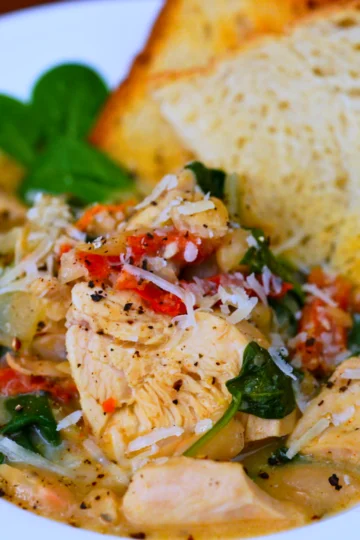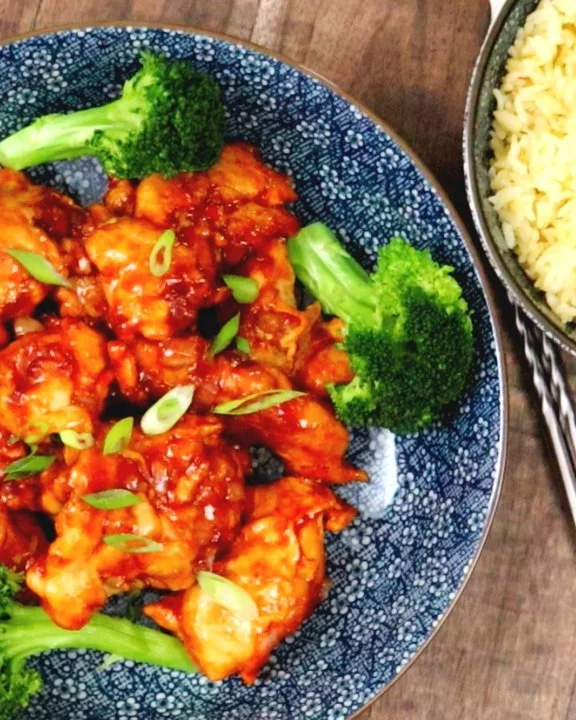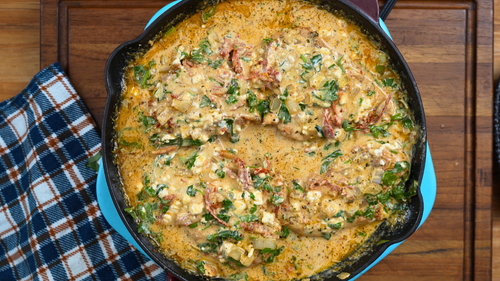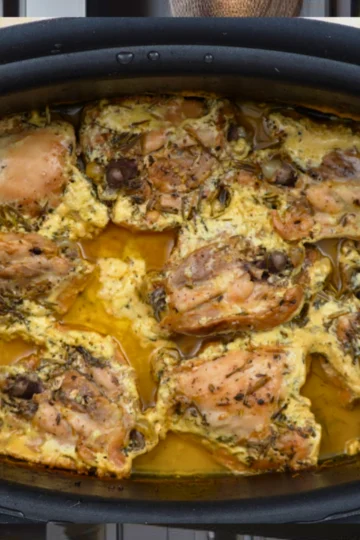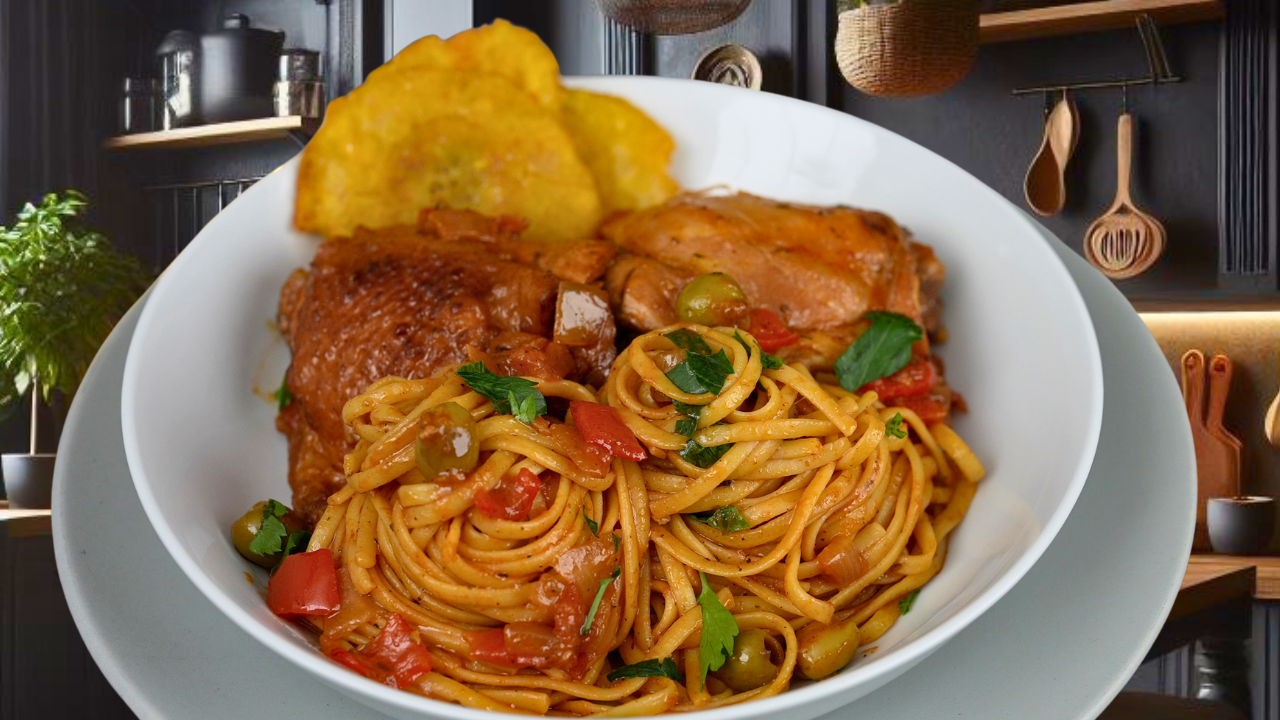
This Dominican Spaghetti con Pollo is one of those recipes you'll find yourself making over and over again. It's simple, delicious, and always gets rave reviews. Whether you're a beginner or a seasoned cook, you're going to love how easy and tasty this turns out!
Did You Know?
Pro Tips
Storage & Meal Prep
Frequently Asked Questions
1. What makes Dominican spaghetti different from Italian pasta?
Dominican spaghetti uses a tomato-based sauce with sazon, sofrito, olives, and chicken — creating a one-pot comfort dish that is uniquely Caribbean rather than traditionally Italian.
2. Should I cook the spaghetti separately or in the sauce?
Dominican style cooks the spaghetti directly in the sauce so it absorbs all the flavor. Add the pasta when the sauce is nearly done and simmer until al dente.
3. What type of chicken works best?
Bone-in chicken thighs or drumsticks add the most flavor to the sauce. Brown them first, then simmer in the tomato sauce. You can also use boneless thighs for easier eating.
4. What is sofrito and do I need it?
Sofrito is a blend of onions, peppers, cilantro, garlic, and culantro that forms the flavor base of Dominican cooking. It is essential — buy it premade or blend your own.
5. Why does Dominican spaghetti use ketchup?
A few tablespoons of ketchup is a common Dominican shortcut that adds sweetness, color, and tomato depth alongside the tomato paste. It is not traditional Italian but very much Dominican.
6. What is the role of sazon in this recipe?
Sazon seasoning (like Goya brand) adds distinctive color, flavor, and aroma to the sauce. The annatto gives the dish its signature orange-golden hue.
7. Can I use a different pasta shape?
Spaghetti is traditional, but linguine, angel hair, or penne all work. The key is cooking the pasta in the sauce so it absorbs the Dominican-style tomato flavor.
8. Should I break the spaghetti before adding it?
In Dominican cooking, breaking the spaghetti in half is common for easier eating and fitting into the pot. Italian purists may disagree, but this is Dominican style.
9. What do Dominicans serve with spaghetti con pollo?
Fried sweet plantains (maduros), a simple salad, or avocado slices are the most common accompaniments. Some people also serve it alongside white rice.
10. How do I prevent the spaghetti from getting mushy?
Add the pasta when the sauce has enough liquid to cook it al dente. Watch it carefully in the last few minutes — Dominican spaghetti should be tender but not overcooked.
Watch How to Make This
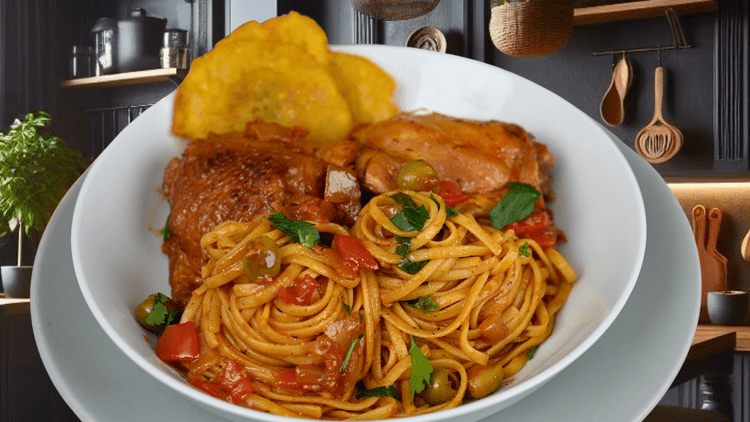
Dominican Spaghetti con Pollo
Ingredients
Method
- In a mortar and pestle, mash garlic, Dominican oregano, and 1 teaspoon of salt until a paste forms.
- Rub the garlic paste onto the chicken thighs, then season with adobo seasoning, paprika, dried thyme, and pepper to taste. Let marinate for 30 minutes.
- In a large pot, heat olive oil over medium heat. Sprinkle sugar evenly over the bottom of the pot and let caramelize.
- Add chicken thighs to the pot and cook until browned on all sides. Remove and set aside.
- In the same pot, add chopped onion and diced bell pepper. Cook until softened.
- Add crushed tomatoes, tomato paste, chicken bouillon cube, and black pepper to taste. Stir well to combine.
- Return chicken thighs to the pot, cover, and simmer for 25-30 minutes until chicken is cooked through.
- Meanwhile, prepare the Tostones: Peel the green plantains and cut them into thick slices. Heat vegetable oil in a skillet over medium heat. Fry the plantain slices until lightly golden on both sides. Remove and flatten each slice with a tostonera or the bottom of a glass. Return flattened plantains to the skillet and fry again until crispy. Season with salt and pepper to taste.
- Cook spaghetti according to package instructions until al dente. Drain and set aside.
- Add cooked spaghetti to the pot with the chicken and sauce. Toss to combine.
- Serve the Dominican Chicken Pasta garnished with green olives and fresh parsley, alongside the crispy Tostones.
Notes
Refrigerator: Store leftovers in an airtight container for up to 3-4 days.
Freezer: Freeze in a sealed container for up to 2-3 months. Thaw overnight in the fridge.
Reheat: Warm in a skillet over medium heat, in the microwave, or in a 350°F oven until heated through.
Nutrition Facts (Per Serving, Approximate)
Nutrition values are estimates and may vary based on ingredients and preparation.
Never Miss a Recipe!
Subscribe to get new recipes delivered straight to your inbox.