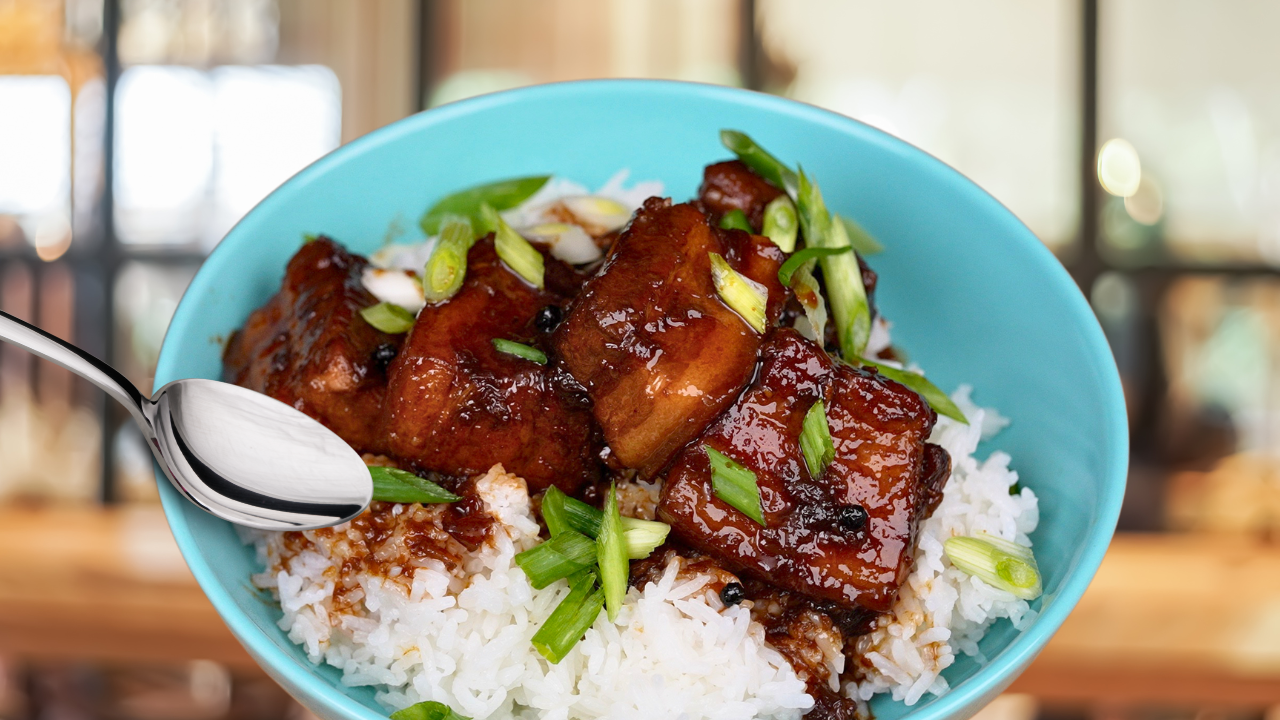
This Pork Adobo is one of those recipes you'll find yourself making over and over again. It's simple, delicious, and always gets rave reviews. Whether you're a beginner or a seasoned cook, you're going to love how easy and tasty this turns out!
Did You Know?
Pro Tips
Storage & Meal Prep
Frequently Asked Questions
1. What is Filipino pork adobo?
Pork adobo is the national dish of the Philippines — pork braised in a tangy sauce of vinegar, soy sauce, garlic, bay leaves, and black peppercorns. Every Filipino family has their own version.
2. What cut of pork is best for adobo?
Pork shoulder (butt) or pork belly are traditional. The higher fat content bastes the meat during braising and creates a richer sauce. Pork belly gives the most tender, melt-in-your-mouth result.
3. What type of vinegar should I use?
Filipino cane vinegar (sukang maasim) is traditional. White distilled vinegar or white wine vinegar are accessible substitutes. Apple cider vinegar adds a slightly fruity note.
4. Should I boil the vinegar first?
A traditional Filipino tip: do not stir the pot once you add vinegar until it comes to a boil. This prevents the vinegar from tasting harsh and allows it to mellow as it cooks.
5. What is the correct ratio of soy sauce to vinegar?
Most recipes use equal parts, but some families prefer more vinegar for a tangier result. Start with 1:1 and adjust to your taste. The balance is deeply personal.
6. How long should pork adobo simmer?
45 minutes to 1 hour on low heat until the pork is fork-tender and the sauce has reduced and concentrated. Some cooks braise for 2+ hours for even deeper flavor.
7. Can I make adobo in a slow cooker?
Yes — combine all ingredients and cook on low for 6-8 hours. The long, slow braise produces incredibly tender pork with a rich, developed sauce.
8. Should I reduce the sauce at the end?
Yes — remove the pork once tender and simmer the sauce until it thickens and concentrates. Some cooks reduce it until it is almost a glaze. Pour it back over the pork.
9. What do Filipinos serve with pork adobo?
Steamed white rice is the only traditional accompaniment. The saucy, tangy adobo over plain rice is considered a perfect meal. A fried egg on top is a popular addition.
10. Does adobo taste better the next day?
Absolutely — adobo is one of those dishes that improves dramatically overnight. The vinegar mellows, the soy sauce deepens, and the pork absorbs even more sauce as it sits.
Watch How to Make This
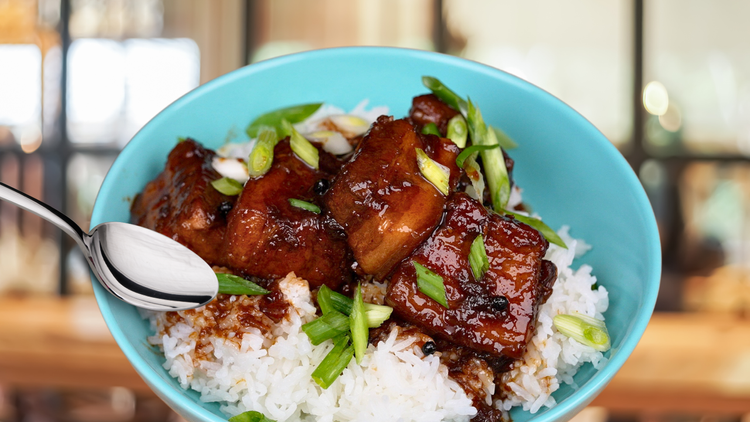
Pork Adobo
Ingredients
Method
- Cut the pork into 2-inch bite-sized pieces.
- In a large skillet over medium heat, add 2 tablespoons of vegetable oil. Sauté the pork belly until browned on all sides, working in batches to avoid overcrowding the pan. No need for marination!
- Set aside the browned pork and sauté sliced onions until translucent. Add minced garlic and sauté until fragrant.
- Return the pork to the skillet and add brown sugar, whole peppercorns, and bay leaves. Sauté to caramelize the sugar.
- Pour in regular soy sauce, white vinegar, and water. Bring the mixture to a boil, then reduce heat to low, cover, and simmer for 1 hour.
- After an hour, remove the lid, increase heat to medium, and reduce the liquid until it thickens into a delightful sauce.
- Save the leftovers for an even more flavorful experience the next day.
- Serve your Filipino-inspired Pork Adobo Delight over white rice and garnish with fresh scallions.
- Conclusion:
- Discover the joy of this quick and flavorful Filipino-inspired pork adobo recipe that brings together the essence of Filipino cuisine in a delightful fusion of tastes. Don't forget to subscribe, like, and share this recipe video. Enjoy your culinary adventure!
- Loco Moco
- Spam Musubi
- Beef Udon
- Shrimp Fried Rice
Notes
Refrigerator: Store leftovers in an airtight container for up to 3-4 days.
Freezer: Freeze in a sealed container for up to 2-3 months. Thaw overnight in the fridge.
Reheat: Warm in a skillet over medium heat, in the microwave, or in a 350°F oven until heated through.
Nutrition Facts (Per Serving, Approximate)
Nutrition values are estimates and may vary based on ingredients and preparation.



Never Miss a Recipe!
Subscribe to get new recipes delivered straight to your inbox.